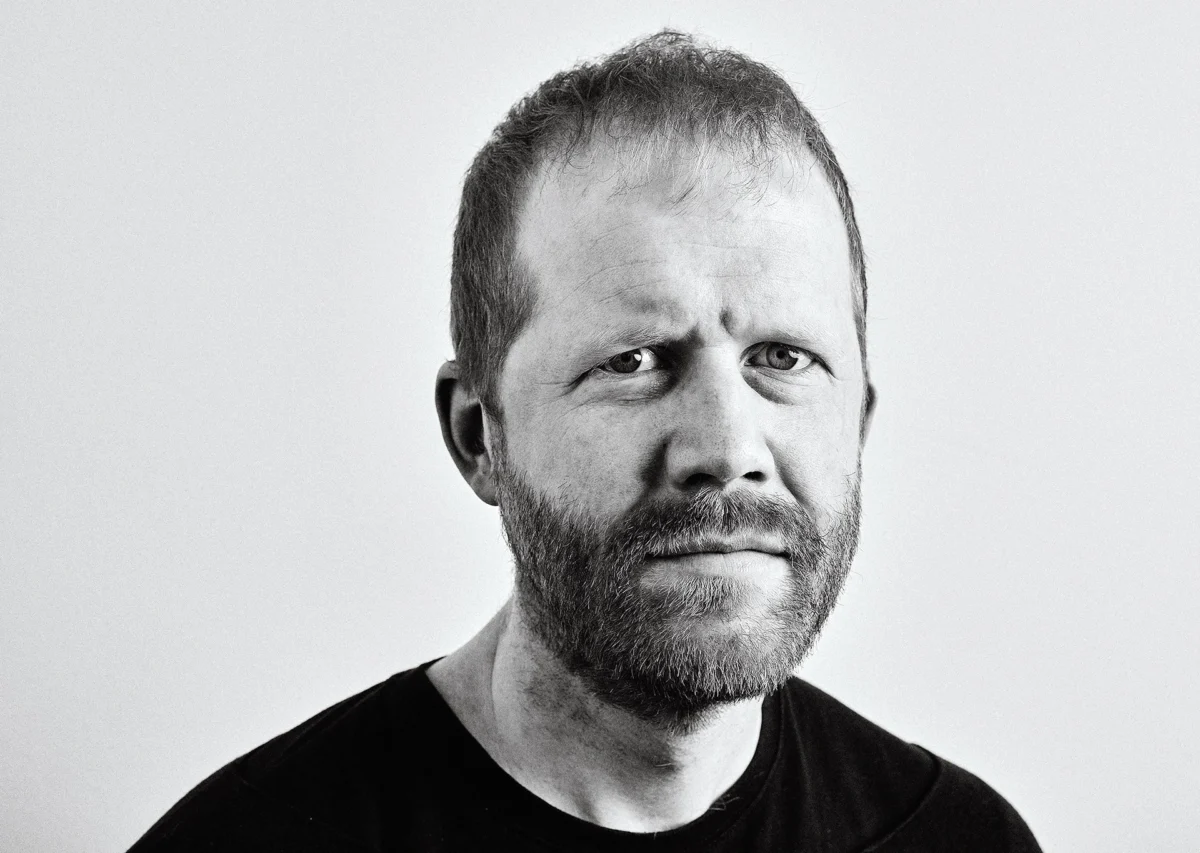
UK entry denial of Swedish academic Andreas Malm has drawn attention after the Home Office cited public interest concerns, stating his presence during a planned Palestine-related speaking event was “not conducive to the public good.” The decision highlights ongoing tensions around free speech and political events. Malm’s travel plans were reportedly canceled before he could attend the event in the UK.
The cancellation came amid debate over how the UK government assesses the admissibility of foreign speakers invited to politically sensitive gatherings, particularly those related to the Israeli-Palestinian conflict. While officials invoked national interest protections, the specific legal basis for the refusal remains unexplained publicly.
Key Facts
- Swedish academic denied entry to the UK
- Reason given: presence not conducive to the public good
- Denial linked to a planned Palestine-related speaking event
- Travel plans canceled by the UK Home Office
What Happened
The Swedish academic Andreas Malm had been scheduled to speak at a UK-based event focused on Palestine-related themes, according to Al Jazeera reporting. Shortly before travel, the UK Home Office intervened by canceling his entry clearance. Officials said his admission would not serve the public good, though no detailed justification accompanied the statement.
The Home Office routinely retains discretion to refuse entry under the Immigration Act when an individual’s presence is judged detrimental to the public interest. Such refusals often involve assessments of potential disruption, national security risks, or threats to community cohesion. In this instance, the link to a politically sensitive topic appears central to the decision-making process.
Who Is Affected
Beyond Malm himself, the incident affects organizers of the Palestine-focused event, whose speaker arrangements were disrupted at short notice. It also raises questions among advocacy groups, academics, and civil society actors who monitor the boundaries between security protocols and freedom of expression in the UK.
Past refusals have fueled criticism that broad national interest clauses allow subjective interpretation, particularly when political content is involved. Whether this case reflects broader policy trends will likely depend on subsequent official disclosures or appeals processes.
How Did We Get Here?
Tensions over speakers addressing Middle East policy in Western democracies have grown in recent years, especially following heightened scrutiny of pro-Palestinian discourse post-October 2023. Several European countries have seen protests, arrests, and bans tied to public events involving activists or scholars discussing the conflict.
The UK government has previously invoked similar language—“not conducive to the public good”—in barring individuals deemed potentially disruptive. These precedents now apply amid widening discussions about balancing security concerns with democratic rights to assemble and express views on contested issues.
What We Know — and What We Don’t
- Verified by the source:
-
- The UK Home Office canceled entry clearance for Andreas Malm
- The reason given was that his presence was “not conducive to the public good”
- The denial was connected to a planned Palestine-focused speaking event
- Still unconfirmed:
-
- No official confirmation from the Home Office beyond the summary
- Identity or role of the individual fully verified outside Al Jazeera report
- Exact date or location of the intended event
- Legal framework cited in the refusal notice
Why It Matters
This refusal sits at the intersection of immigration control and freedom of speech, issues already strained in public discourse. As geopolitical tensions influence domestic policy worldwide, decisions like this may shape how future speakers navigate entry into countries with strong political sensitivities.
What To Watch
There has been no public indication yet whether the Home Office will release further details or whether Malm plans to challenge the decision through formal appeal channels.