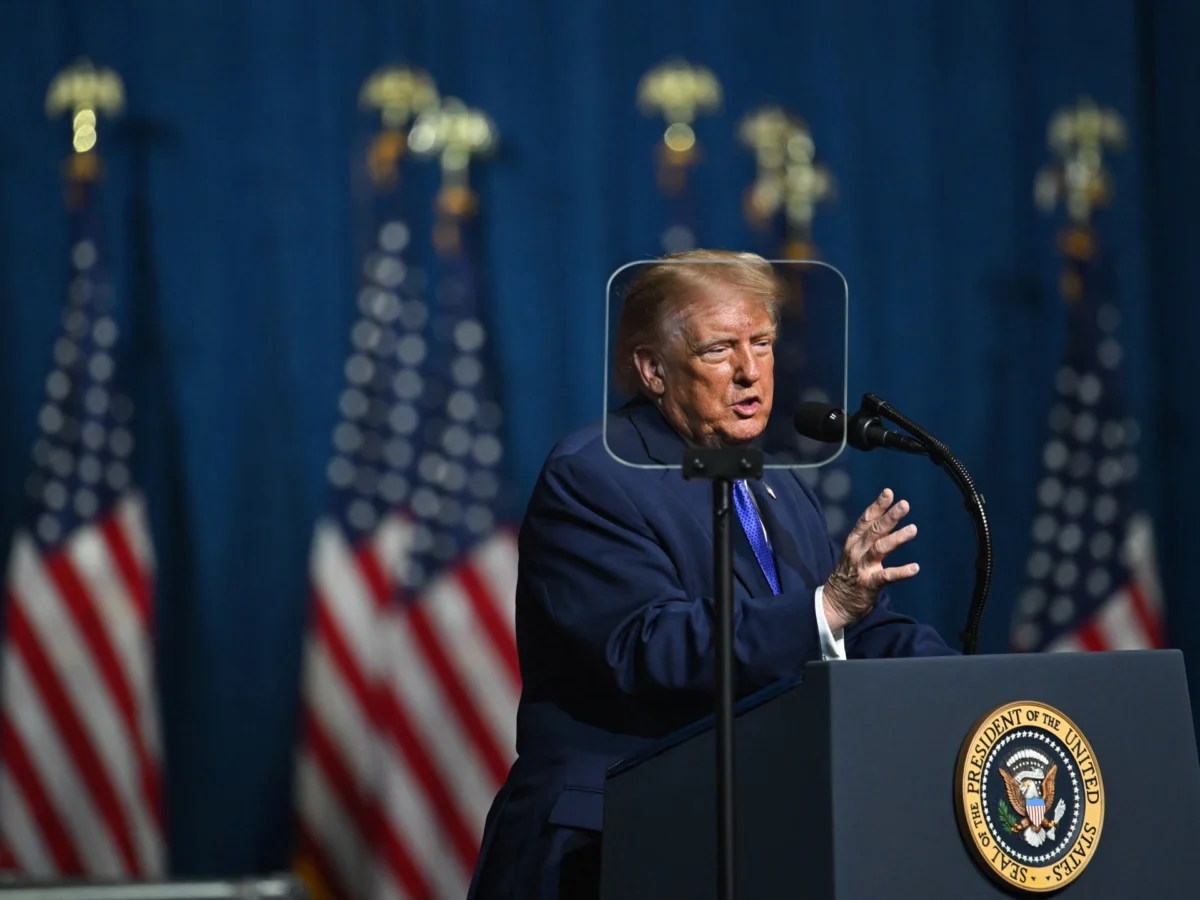
With four days left before the US midterms, Donald Trump canceled two in-person campaign rallies scheduled in Kansas and Iowa, choosing instead to hold telephone events spanning nearly 20 states over the weekend. This decision reflects a strategic pivot toward digital engagement as the election draws near, allowing broader reach without the logistical demands of large gatherings.
The shift away from traditional rallies may signal evolving campaign tactics, particularly in response to the compressed timeline and potential safety or planning concerns. By leveraging phone-based outreach, Trump’s team aims to maintain momentum while adapting to the final stretch of the 2026 midterm cycle.
Key Facts
- Trump canceled rallies in Kansas and Iowa.
- He opted for telephone events across nearly 20 states.
- Events are scheduled for the upcoming weekend.
- Election day is four days away.
What happens next?
Following this change in format, attention turns to whether Trump will reintroduce in-person rallies after the election or continue emphasizing remote engagement. His campaign’s choice to prioritize phone-based interactions so close to Election Day could influence voter turnout efforts, especially in states where physical presence has historically driven enthusiasm. Political analysts note that such a move may also reflect a calculated effort to manage resources efficiently during the final phase of the US midterms, where every hour of outreach matters. The effectiveness of this approach will likely become evident in post-election reviews and voter data analysis, particularly in competitive districts across the nearly two dozen targeted states.
Who is affected?
This adjustment directly impacts voters in Kansas, Iowa, and the approximately 20 states now included in the expanded phone tour. Supporters who had planned to attend the canceled rallies may need to reconfigure their civic participation plans, while residents in newly targeted areas gain unprecedented access to Trump-led campaign events. Additionally, local organizers and venue staff face last-minute scheduling disruptions, highlighting the broader ripple effects of sudden shifts in high-profile political strategy. For media outlets and political observers, the move signals a dynamic campaign environment where messaging adaptability can override traditional rollout methods during critical periods like the final days of the US midterms.
What We Know — and What We Don’t
Verified by the source:
- Trump canceled planned rallies in Kansas and Iowa.
- He will host telephone events across nearly 20 states.
- Those events will take place over the upcoming weekend.
- Election Day is four days away.
Still unconfirmed:
- No specific dates or times for the phone events were given.
- The reason behind canceling the rallies remains unstated.
- No comment from Trump campaign officials has been reported.
- Full list of states participating in the phone tour was not specified.
Why It Matters
As the US midterms approach, campaign strategies reveal how candidates adapt messaging to maximize voter contact in limited timeframes. Trump’s pivot from in-person rallies to virtual events underscores growing reliance on flexible, scalable outreach tools—especially as younger demographics increasingly prefer digital over physical political engagement.
What To Watch
Future campaign announcements or scheduling updates may clarify timing and scope of the planned phone events. Analysts will also monitor polling trends in affected states post-weekend.