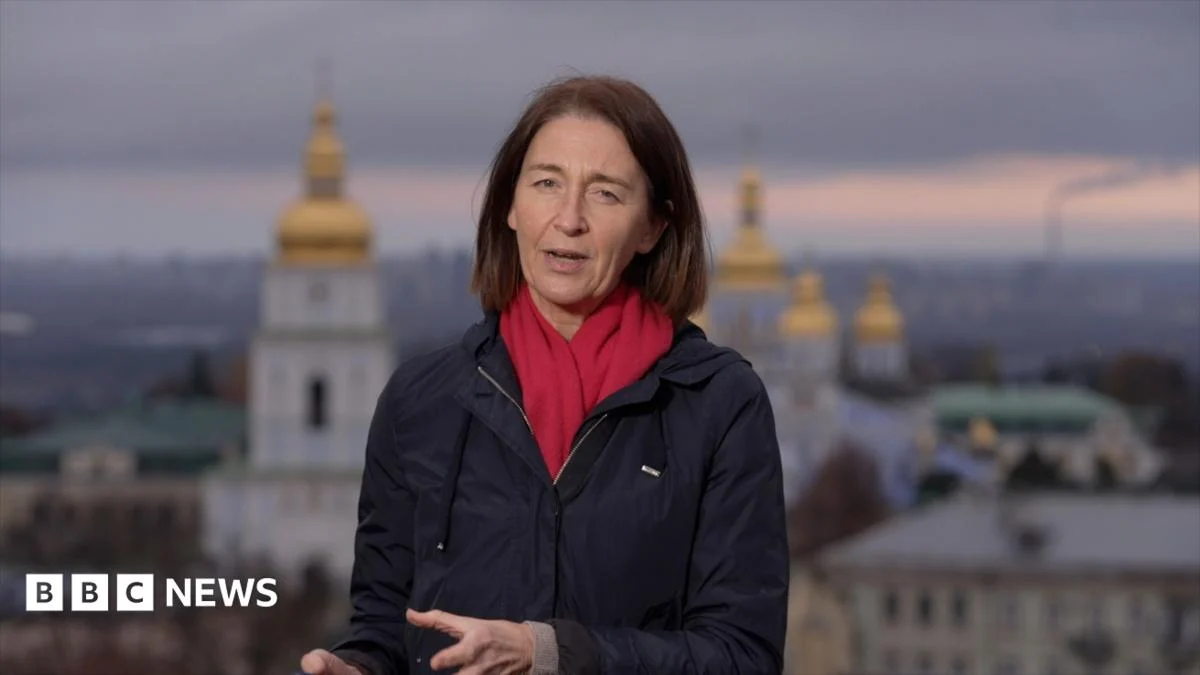
UK defence secretary Wes Streeting described Russian President Vladimir Putin as a “cold-blooded killer” while visiting Kyiv for talks with Ukrainian President Volodymyr Zelensky. The BBC’s Sarah Rainsford reported from the Ukrainian capital following the meeting between the two leaders.
The remarks underscore the UK’s continued rhetorical and material support for Ukraine more than two years into Russia’s full-scale invasion. Streeting’s visit signals London’s commitment to maintaining defence cooperation with Kyiv despite shifting political dynamics in Europe and the United States.
Key Facts
- The UK defence secretary called Putin a “cold-blooded killer”
- Streeting met Zelensky in Kyiv
- BBC correspondent Sarah Rainsford reported from Kyiv
- The meeting involved UK defence secretary and Ukrainian president
- Event covered as a top story by BBC News
The Story
What the visit signals about UK-Ukraine ties
The UK defence secretary‘s trip to Kyiv represents one of the highest-profile British cabinet visits since the war escalated in February 2022. Such visits typically combine symbolic solidarity with practical discussions on military aid, training programmes, and long-term security guarantees. Streeting’s language — labelling Putin a “cold-blooded killer” — aligns with previous UK government characterisations of Russian leadership but gains weight when delivered in person in the Ukrainian capital.
British officials have consistently framed support for Ukraine as a matter of European security and international law. The defence secretary’s portfolio oversees equipment deliveries, intelligence sharing, and the training of Ukrainian forces on British soil. A Kyiv visit allows direct assessment of battlefield needs and political morale.
How did we get here?
Since Russia’s full-scale invasion, the UK has been among the most vocal European backers of Ukraine, supplying everything from anti-tank weapons to long-range Storm Shadow missiles and Challenger 2 tanks. Prime ministers Boris Johnson, Rishi Sunak, and Keir Starmer have all visited Kyiv. The defence secretary role has been central to coordinating the military dimension of that support, including the International Fund for Ukraine and the UK-led training mission Operation Interflex.
Streeting’s appointment as defence secretary came after Labour’s July 2024 election victory. His early visit to Kyiv suggests continuity in UK policy regardless of domestic political change. The meeting with Zelensky likely covered current front-line requirements, air defence shortages, and the pace of Western ammunition production.
What happens next?
Diplomatic visits of this kind are typically followed by formal announcements of new aid packages or joint statements on specific capability gaps. The UK defence secretary may brief NATO allies on his findings at upcoming defence minister meetings. Ukraine continues to press partners for permission to use Western-supplied long-range weapons against targets inside Russia, a policy the UK has supported in principle but coordinates with allies.
Domestically, Streeting will report to cabinet and parliament on the state of UK defence stockpiles and the sustainability of current commitment levels. The Treasury’s spending review later this year will test whether rhetorical solidarity translates into multi-year funding settlements for Ukraine support.
What We Know — and What We Don’t
Verified by the source:
- UK defence secretary Wes Streeting called Putin a “cold-blooded killer”
- Streeting met Ukrainian President Volodymyr Zelensky in Kyiv
- BBC correspondent Sarah Rainsford reported from Kyiv on the meeting
- The story was published as a top story by BBC News
Still unconfirmed:
- Exact date and duration of the defence secretary’s visit
- Specific military aid announcements made during the meeting
- Whether other UK officials accompanied Streeting
- Details of the agenda beyond the reported remark
- Zelensky’s public response to the “cold-blooded killer” characterisation
- Any joint statement or press conference outcomes
Why It Matters
The defence secretary’s language and presence in Kyiv reinforce the UK’s position as a leading military backer of Ukraine. For readers, the visit signals that British government support remains active at the highest level, with implications for defence spending priorities, NATO cohesion, and the trajectory of the war in Europe.
What To Watch
Watch for formal UK government announcements on new military aid packages following the visit, and for the defence secretary’s statements to parliament on Ukraine strategy and defence readiness.