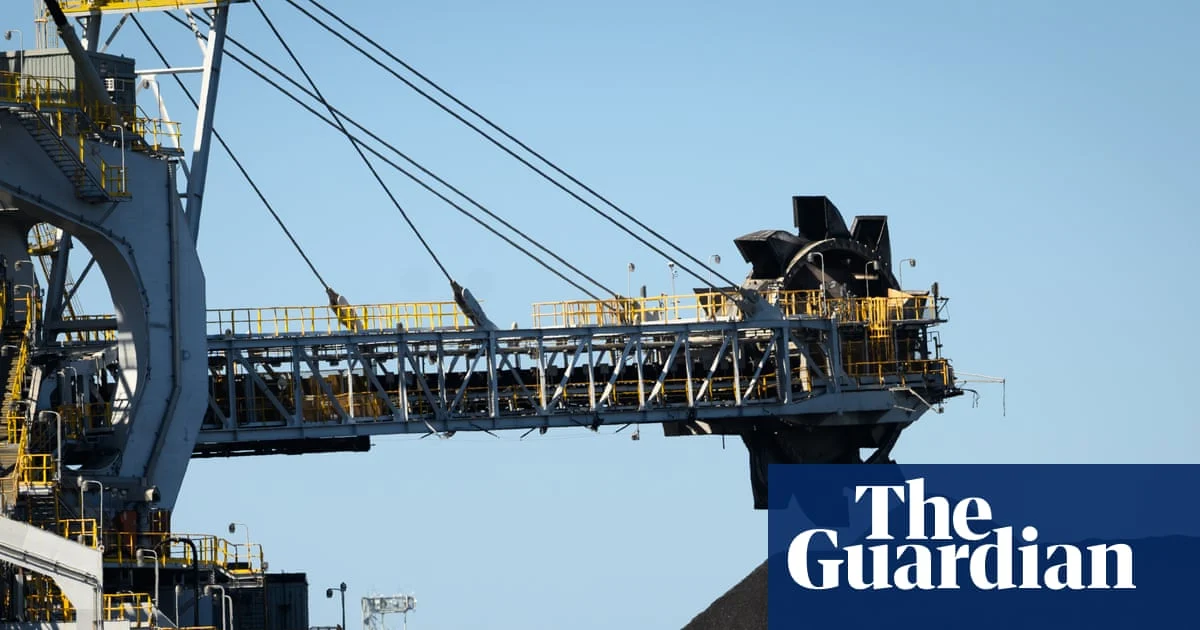
UK banks remain Europe’s biggest financiers of the global coal industry, channeling $8.3bn (£6.2bn) into coal projects between 2021 and 2025, according to a report published by Business | The Guardian. The study highlights that this figure exceeds funding provided by major European peers, raising fresh questions about the gap between international climate commitments and banking practices. This surge in coal financing follows the COP26 summit in Glasgow, where world leaders pledged to “phase down” global coal use. Despite these promises, UK-based banks have maintained their position as the primary European source of capital supporting one of the most carbon-intensive industries in operation.
Key Facts
- UK banks provided $8.3bn in coal financing since COP26.
- Barclays and HSBC led the UK’s coal finance contributions.
- German banks contributed $4.9bn during the same period.
- French banks contributed $3.4bn between 2021 and 2025.
- The data was compiled into a report by Business | The Guardian.
The Scale of UK Coal Financing
The report underscores a significant disconnect between global climate rhetoric and financial realities. While governments gather at forums like COP to announce ambitious emissions targets and phase-out timelines, major banks continue to fund coal projects that scientists say are incompatible with limiting global warming to 1.5°C. Coal, long considered the dirtiest fossil fuel, accounts for nearly 40% of global CO₂ emissions when burned for electricity. By financing exploration, development, and operational costs linked to coal infrastructure, UK banks are indirectly enabling the expansion of an industry that the Intergovernmental Panel on Climate Change has repeatedly warned must rapidly decline to meet climate goals. The $8.3bn figure places UK institutions ahead of counterparts in Germany and France, two countries also grappling with their own transitions away from coal-generated power.
Why This Matters
These findings come amid heightened scrutiny of financial institutions’ roles in perpetuating fossil fuel dependence. Environmental groups argue that continued investment in coal contradicts public commitments made by banks themselves, many of which have joined initiatives aimed at reducing exposure to high-carbon sectors. For consumers and investors alike, this raises concerns about greenwashing and whether fiduciary responsibilities truly align with sustainable development objectives. Moreover, with growing pressure from regulators across the UK and EU to disclose climate risks and stress-test portfolios against net-zero scenarios, the persistence of large-scale coal financing could expose lenders to reputational damage, stranded asset liabilities, and potential policy backlash. As debates intensify over corporate accountability, the report may fuel calls for stricter oversight of capital flows into polluting industries.
What We Know — and What We Don’t
Verified by the source:
- UK-based banks funded $8.3bn worth of coal projects post-COP26.
- Barclays and HSBC were the top UK contributors to coal financing.
- German and French banks contributed $4.9bn and $3.4bn respectively.
- The data spans from 2021 through 2025.
- The report was authored and published by Business | The Guardian.
Still unconfirmed:
- The exact timeframe beyond “four years” is unspecified.
- No named bank officials or spokespeople responded to requests.
- The methodology used to compile the $8.3bn estimate is not disclosed.
- Individual project details or recipient entities are not listed.
- Whether any UK bank plans to reduce future coal investments remains unclear.
Why It Matters
Understanding where public and private capital flows go helps shape how effectively societies transition toward cleaner energy systems. Financial backing for coal undermines efforts to cut greenhouse gases and delays progress toward internationally agreed climate targets. When leading economies claim leadership on environmental issues yet allow domestic banks to bankroll the most harmful forms of fossil fuel extraction, it erodes trust in both corporate and governmental promises to act decisively on climate change.
What To Watch
Stakeholders will likely monitor whether UK regulators introduce tighter disclosure rules targeting coal-related exposures. Any formal response from Barclays or HSBC — or shifts in lending policies — would signal whether current trends are set to continue.