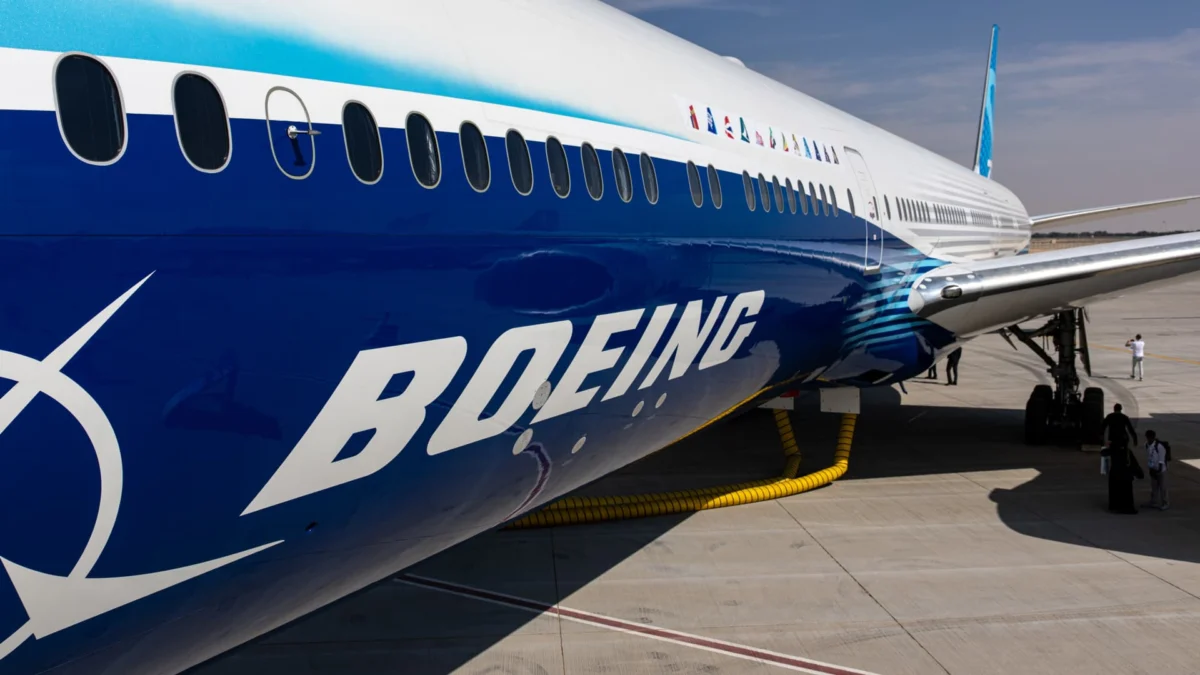
The U.S. Navy has chosen Boeing to develop its next-generation fighter jet, a move that reinforces the aircraft manufacturer’s role in American military aviation. The Department of Defense confirmed the selection on Tuesday, marking a significant milestone for Boeing’s defense division. This contract positions Boeing to lead the design and production of advanced combat aircraft for decades to come.
The decision underscores Boeing’s long-standing relationship with the U.S. military and highlights the competitive nature of defense procurement in an evolving global landscape.
KEY FACTS
- Source:
US Top News and Analysis - Boeing was selected by the U.S. Navy to develop next-generation fighter jets.
- The selection was announced jointly by the Department of Defense and the U.S. Navy.
- The announcement was made on Tuesday.
WHAT HAPPENS NEXT?
The contract will likely move into the design and engineering phase, where Boeing will begin outlining specifications for the next-generation fighter jet. The U.S. Navy and Department of Defense will oversee milestones and evaluations throughout the development process. Industry analysts expect further details on scope, timeline, and budget to emerge in coming weeks.
Boeing has successfully delivered previous fighter programs, including the F-15 and F-18, which laid the groundwork for this next-gen effort. The company’s experience with advanced avionics and airframe design positions it well for the technical demands of future warfare capabilities.
The selection comes amid increased defense spending across the U.S. military, as NATO allies and strategic competitors shape procurement priorities. This contract may influence future bids from Lockheed Martin, Raytheon, and other defense giants.
WHO IS AFFECTED?
Boeing stands to gain substantial revenue from this multi-year defense contract, bolstering its presence in the fighter jet market. Shareholders and defense investors are likely watching closely, as the deal could improve Boeing’s defense segment margins amid ongoing commercial aviation recovery efforts.
Congressional oversight committees may review contract terms, especially cost caps and delivery schedules, during upcoming hearings. Lawmakers have shown growing interest in balancing affordability with cutting-edge military technology.
For aerospace suppliers and subcontractors, this award opens new opportunities for component manufacturing and systems integration. Regional economies tied to Boeing’s supply chain may see job growth tied to production phases of the new fighter program.
WHAT WE KNOW — AND WHAT WE DON’T
Verified by the source:
- Boeing was selected by the U.S. Navy for next-generation fighter jet development.
- The Department of Defense and U.S. Navy jointly announced the decision.
- The announcement occurred on Tuesday.
Still unconfirmed:
- Contract value, timeline, and delivery schedule.
- Technical specifications and performance benchmarks of the jet.
- Number of aircraft planned and estimated completion date.
WHY IT MATTERS
This Boeing fighter jet contract reflects the U.S. military’s push to modernize its air fleet amid rising global tensions. The next-generation aircraft is expected to feature advanced stealth, artificial intelligence-assisted systems, and enhanced range capabilities, shaping the future of aerial combat readiness. Explore more defense developments in our economy and markets coverage.
WHAT TO WATCH
Details on contract terms and development phases will be key indicators of Boeing’s trajectory in the defense sector.