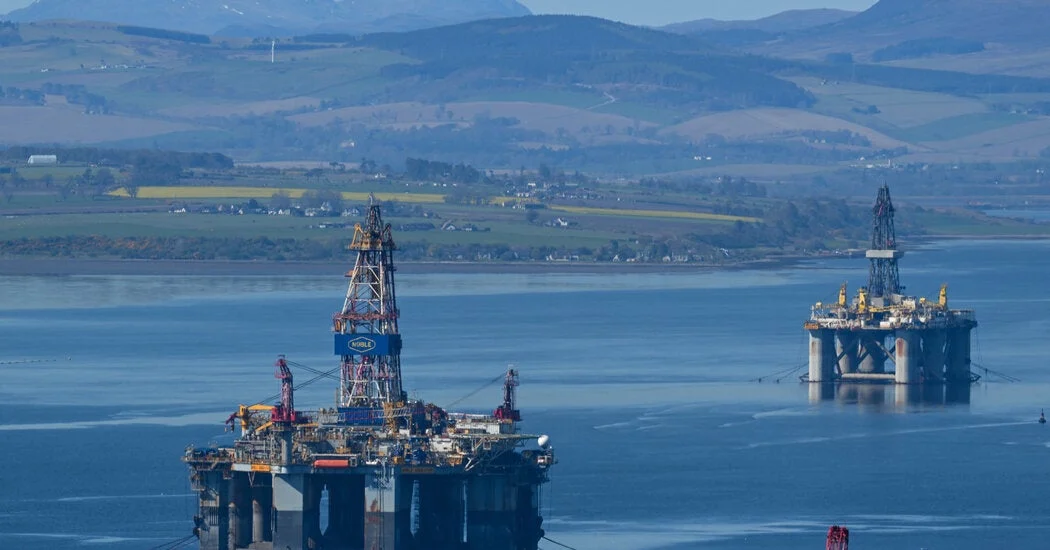
The UK government has approved the long-delayed Jackdaw gas drilling project in the North Sea, a decision that officials say will help reduce the country’s dependence on imported energy. The project had faced repeated delays and legal challenges, raising questions about its viability and alignment with broader climate goals. Environmental advocates argue that moving forward with new fossil fuel extraction undermines commitments to cut carbon emissions.
The approval marks a pivotal moment for energy policy, as the UK balances energy security needs with its green transition ambitions. While supporters view the project as a bridge toward energy independence, critics warn it sends mixed signals about the pace of decarbonization. The decision reflects ongoing tensions between economic priorities and environmental accountability in the region’s offshore energy sector.
Key Facts
- The UK approved the Jackdaw gas drilling project in the North Sea.
- The project had been long-stallled before receiving approval.
- It is expected to lessen the UK’s dependence on imported energy.
- Environmental advocates say it undercuts a pledge to reduce carbon emissions.
What Does This Mean for UK Energy Policy?
Gas extracted from the Jackdaw field could bolster domestic energy supplies and reduce the volume of liquefied natural gas imported from overseas sources. For a nation still reliant on international markets for a portion of its fuel, expanding domestic production offers a buffer against volatile global pricing. However, the timing raises concerns about whether such investments align with legally binding emissions targets.
Analysts note that North Sea output has declined over the past decade, prompting renewed interest in untapped reserves. The Jackdaw field was discovered decades ago but remained undeveloped due to logistical complexities and shifting regulatory landscapes. Reviving it now signals a strategic pivot toward maximizing returns from existing infrastructure rather than pursuing entirely new exploration avenues.
Who Is Affected by the Decision?
Industry stakeholders, including energy companies and investors, stand to benefit from renewed access to offshore gas reserves. Conversely, advocacy groups focused on climate action have expressed strong disapproval, emphasizing that approving new drilling contradicts national pledges to phase out fossil fuels. These organizations often highlight the long-term ecological costs tied to continued reliance on hydrocarbons.
The ruling may also influence future licensing rounds and set precedents for how regulators weigh economic gains against environmental responsibilities. Communities near processing facilities or export terminals might experience localized changes in activity levels, though broader impacts on employment or trade flows remain uncertain without further data. Public sentiment continues to evolve amid these competing interests and mounting pressure for transparent governance.
What Happens Next?
Developers will likely proceed with finalizing investment decisions and securing necessary permits to commence operations at the site. Regulatory bodies may face additional scrutiny regarding oversight mechanisms designed to enforce emission standards throughout the lifecycle of the operation. Legal challenges from conservation groups remain possible and could delay implementation depending on court rulings.
Policymakers might reassess domestic energy strategies in light of public feedback and evolving geopolitical dynamics affecting global supply chains. Parliamentary debates are anticipated, particularly if legislative amendments become required to accommodate new extraction practices within current frameworks governing renewable transitions and net-zero obligations.
What We Know — and What We Don’t
Verified by the source:
- The UK government approved the Jackdaw gas drilling project located in the North Sea.
- The initiative aims to decrease dependence on imported energy sources.
- Environmental organizations claim the approval conflicts with efforts to lower carbon emissions.
Still unconfirmed:
Why It Matters
This decision sits at the intersection of energy independence and climate responsibility — two imperatives increasingly difficult to reconcile under current policy structures. As European nations grapple with fluctuating energy prices and shifting alliances around fossil fuel reliance, the UK’s stance on internal resource development carries symbolic weight alongside practical implications for market stability and diplomatic relations.
What To Watch
Stakeholders should monitor upcoming parliamentary sessions where lawmakers may revisit energy regulations in response to this approval. Additionally, any formal appeals filed by environmental coalitions could reshape the trajectory of the Jackdaw project and signal future directions for similar initiatives across the continent.