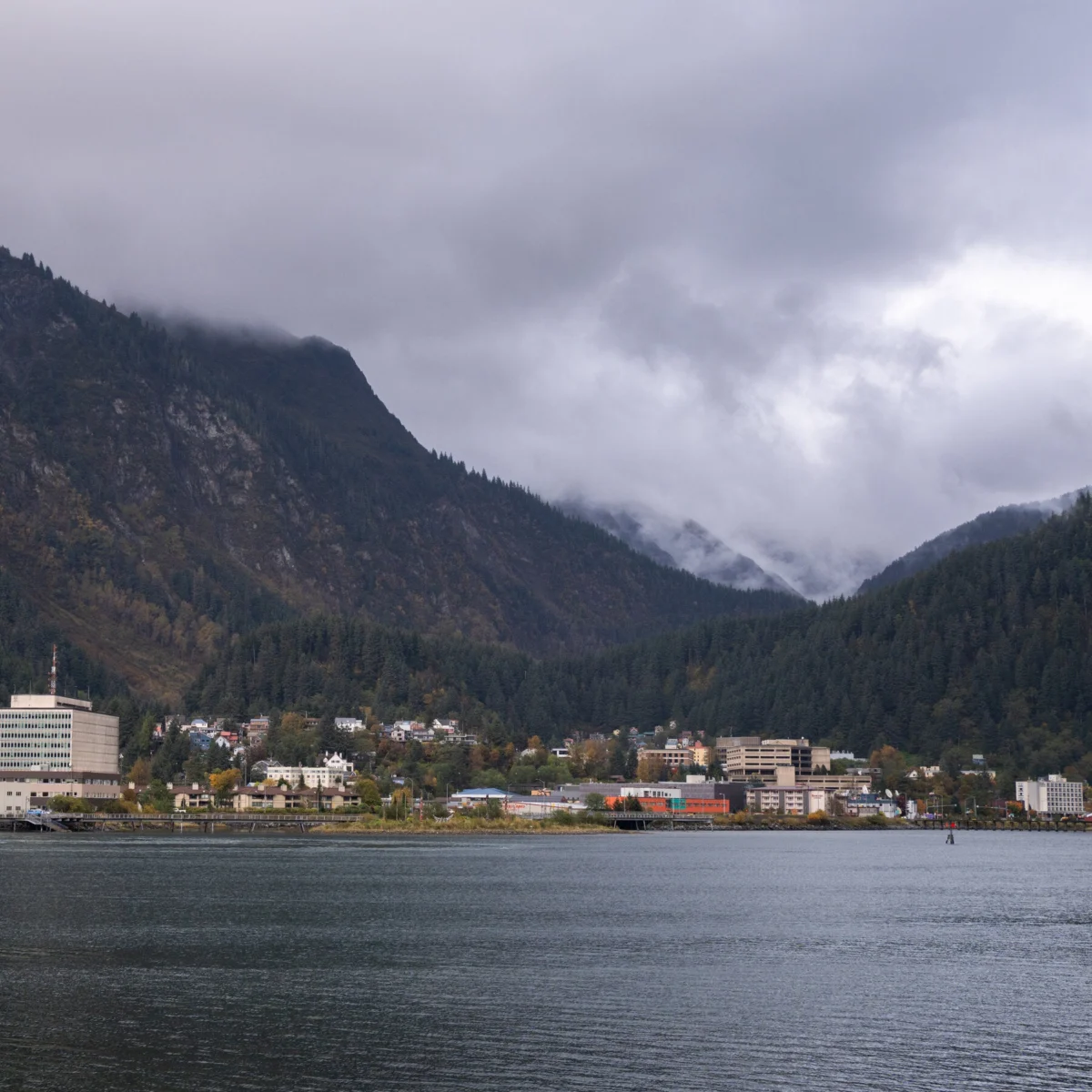
Alaska journalists are joining forces to cover a competitive U.S. Senate race amid the state’s challenging geography and broader economic struggles affecting newspapers. Reporters are collaborating across outlets as national attention intensifies on the closely watched contest. This cooperative effort reflects the strain on newsrooms in one of the least densely populated states in the nation.
The push for collaboration comes as newspapers across Alaska face ongoing financial pressures, making it harder to staff extensive campaign coverage alone. At the same time, the Senate race has drawn national interest, increasing demand for thorough reporting. By pooling resources, news organizations hope to sustain quality journalism despite limited budgets and vast distances between communities.
Key Facts
- Alaska journalists are collaborating to cover the midterm elections.
- The competitive U.S. Senate race has drawn national attention.
- Newspapers face economic struggles that stretch reporting capacity.
- The state’s challenging geography complicates news coverage logistics.
Why the Collaboration Now?
The convergence of a high-profile election and shrinking newsroom budgets has created urgency around shared coverage. National eyes are on the race, which adds pressure to deliver timely and accurate reporting. Smaller outlets benefit from coordinating story assignments and sharing costs for travel and technology.
Newsrooms are particularly challenged by Alaska’s enormous size and sparse population. Many communities are accessible only by air or sea, making on-the-ground reporting difficult and expensive. Shared logistics allow for more efficient use of limited staff and funding.
Collaboration also enables broader distribution of stories. Rather than duplicating efforts, outlets can cross-publish content while maintaining editorial independence. This model supports local accountability and strengthens democratic participation in remote areas.
Who Is Affected?
The reporters involved span urban and rural newsrooms throughout Alaska. Their audiences include voters in remote indigenous communities and residents of Anchorage and Fairbanks. Broader public radio and digital platforms may also benefit from expanded coverage reach.
Partnerships often involve informal information sharing rather than formal ownership changes. Editors coordinate daily briefings and assign overlapping stories to avoid redundancy. These arrangements reflect a growing trend among independent and nonprofit newsrooms nationwide.
Still, concerns remain about editorial consistency and potential conflicts of interest when multiple organizations work together. Clear guidelines help ensure transparency and maintain trust with readers who rely on objective reporting during election cycles.
What We Know — and What We Don’t
Verified by the source:
- Alaska journalists are coordinating midterm coverage.
- The U.S. Senate race is described as competitive.
- Geographic barriers and economic issues affect newsrooms.
- National attention has increased on the election.
Still unconfirmed:
- No specific newsroom names or partnership agreements listed.
- Unclear how many outlets are involved.
- Timeline or structure of collaborative efforts not detailed.
Why It Matters
Democratic participation depends on informed voters, especially in geographically isolated regions where information access is limited. When journalists collaborate under financial strain, they help preserve essential civic journalism during critical election periods. Continued support for such initiatives benefits not just Alaska but all communities facing similar resource constraints.
What To Watch
Further details about participating organizations and long-term sustainability of cooperative models may emerge as the election season progresses.
Readers can expect updates if additional partnerships form or if official statements clarify current arrangements.