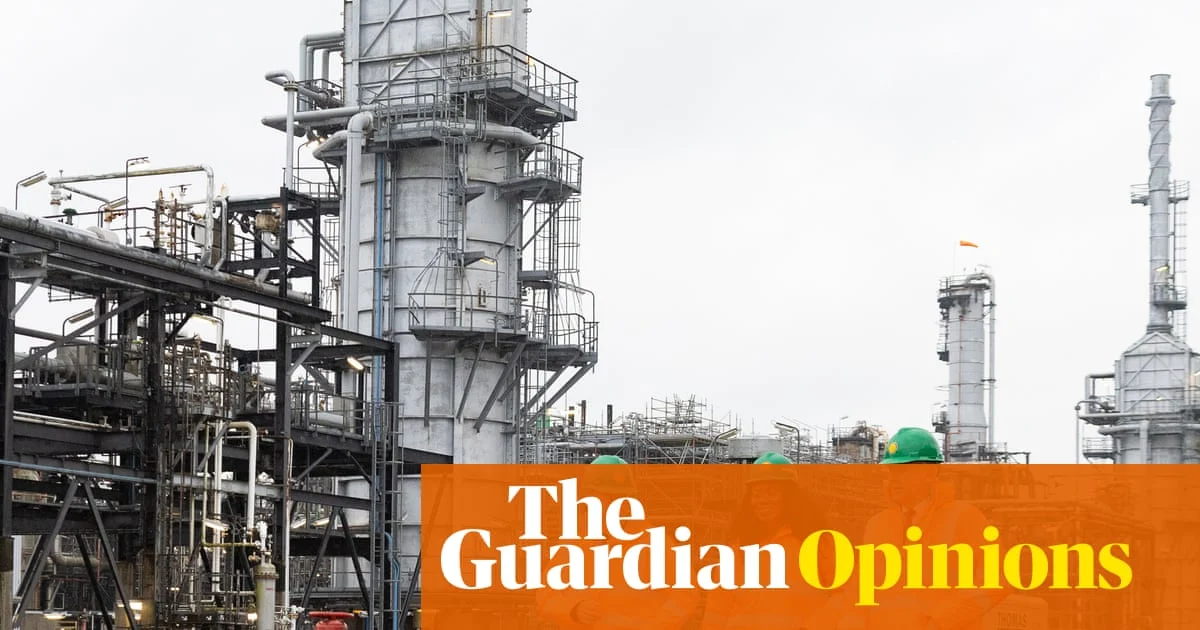
The UK government has approved gas production at the Jackdaw gas field in the North Sea, a move framed as essential for strengthening energy security and protecting jobs while advancing long-term climate commitments. The decision was announced by the energy secretary, who emphasized that the gas from this field will begin heating homes and powering businesses this winter, contributing to national energy resilience. Critics and supporters alike have weighed in, reflecting years of debate over the project’s environmental and economic implications.
Key Facts
- UK energy secretary approved gas production at the Jackdaw gas field in the North Sea.
- Gas production is expected to begin this winter, heating homes and powering businesses.
- Project could increase domestic gas production by about 6% for over a decade.
- Decision may protect hundreds of jobs in Scotland and add £3 billion to the economy.
- Approval aligns with Labour’s stated commitment to net-zero targets.
What the Jackdaw Gas Field Decision Means
The approval of the Jackdaw gas field represents a strategic choice to rely on domestic energy sources amid global instability. According to reporting, the gas extracted will be used to meet immediate energy demands during the upcoming winter season. This step is positioned as a short-term measure to ensure energy security while the country transitions toward cleaner alternatives. Supporters argue that using UK-produced gas reduces reliance on foreign imports, particularly during times of geopolitical uncertainty.
The project is also expected to contribute significantly to the national economy. Reports indicate that it could inject nearly £3 billion into the UK economy over its operational lifetime and safeguard hundreds of jobs, particularly in Scotland. These economic benefits are being weighed against environmental concerns, adding complexity to the ongoing conversation about how best to balance energy needs with climate goals.
How Does This Fit Into the Net-Zero Transition?
While the approval of new fossil fuel projects typically raises questions about climate commitments, officials have stated that the decision does not signal a shift away from net-zero targets. The energy secretary has reiterated that protecting jobs and ensuring energy security in the short term does not conflict with the UK’s deep commitment to a cleaner, greener future. The gas field is expected to operate for more than a decade, providing a window during which renewable infrastructure and grid capacity can expand.
The broader context involves navigating a global energy landscape marked by volatility and shifting supply chains. By tapping into domestic gas reserves, the UK aims to insulate itself from external shocks while gradually scaling up low-carbon technologies. However, environmental groups and some political figures continue to question whether new fossil fuel projects can truly align with legally binding climate obligations. The tension between immediate energy needs and long-term sustainability remains a central challenge for policymakers.
What We Know — and What We Don’t
Verified by the source:
- Gas production at the Jackdaw field has been approved by the UK energy secretary.
- Production is set to begin this winter.
- Domestic gas output may rise by approximately 6%.
- Hundreds of jobs and £3bn in economic value are projected.
- The decision is linked to Labour’s net-zero commitments.
Still unconfirmed:
- Exact timeline for first gas deliveries.
- Long-term environmental impact assessments.
- Detailed breakdown of job creation by region.
- Specific mechanisms for aligning the project with net-zero targets.
- Responses from opposition parties or environmental groups.
Why It Matters
The approval of the Jackdaw gas field underscores the complex trade-offs facing the UK as it seeks to secure energy supplies while meeting climate commitments. For households and businesses, domestic gas can provide a buffer against price volatility and supply disruptions. At the same time, the decision adds to the pressure on policymakers to accelerate investments in renewables and carbon capture technologies to ensure the country stays on track for net-zero.
What To Watch
Future developments will likely include updates on actual production timelines and responses from environmental watchdogs. Observers will also be watching whether the UK government outlines additional measures to offset the carbon footprint of this project or revises its broader energy strategy in light of evolving global conditions.