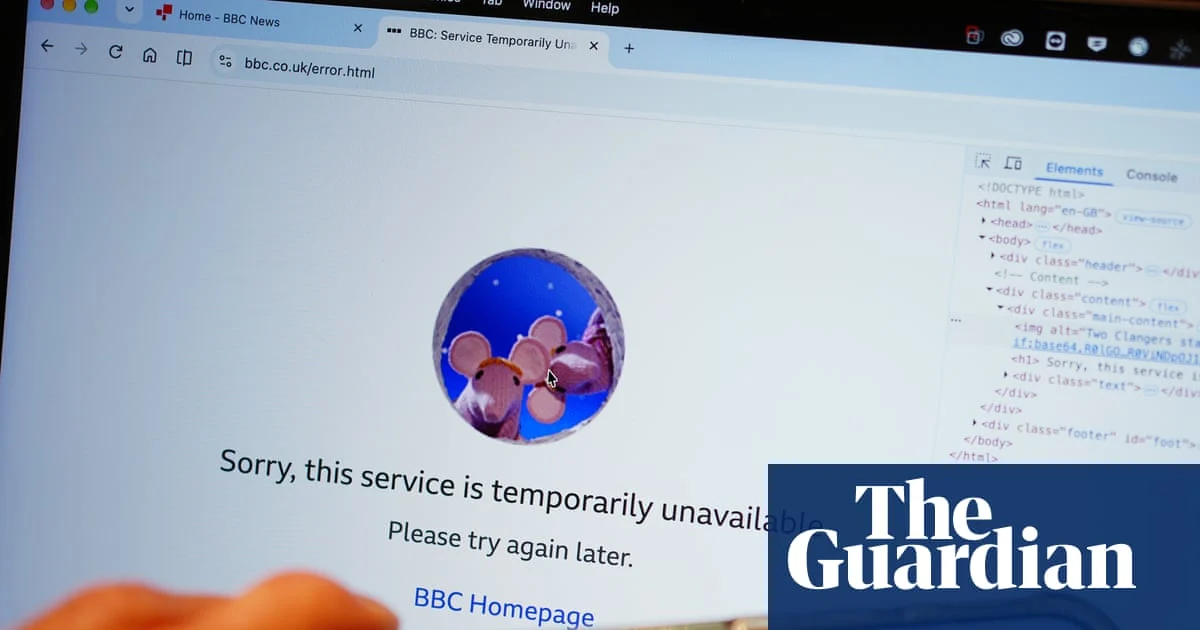
A serious flaw in the PHP programming language is driving millions of attempts to attack websites worldwide, triggering emergency shutdowns across sectors. The vulnerability, recently discovered, allows attackers to target servers running PHP, which underpins roughly 70% of global websites. Governments and companies have responded by taking their websites offline to patch the issue before exploitation escalates further.
Cybersecurity companies flagged the surge in attack attempts, while officials in the United States warned that successful exploitation could lead to server takeovers, data theft, and service disruptions. The flaw emerged on Wednesday, prompting swift action from affected organizations as they race to secure systems and restore access. PHP’s deep integration into web infrastructure makes the impact particularly severe, with cascading effects expected until patches are widely applied.
Key Facts
- Websites worldwide are facing millions of attempts to exploit a PHP code flaw.
- PHP underpins approximately 70% of websites globally.
- Governments and companies are pulling sites offline to patch the vulnerability.
- Successful exploitation could enable attackers to control servers and steal data.
- The issue was first identified on Wednesday, prompting urgent responses.
Who Is Affected?
Because PHP runs on nearly 70% of the web, the scope of potential impact is vast. Both private sector businesses and public sector government platforms rely heavily on PHP-based systems, meaning the disruption spans industries and borders. Organizations that host dynamic web content — ranging from e-commerce sites to government portals — are especially vulnerable unless they act quickly to apply available fixes. The urgency has led many operators to temporarily shut down services rather than risk exposure while patching.
This broad attack surface underscores how foundational software can pose systemic risk when a critical defect surfaces. Cybersecurity experts emphasize that any organization running unpatched PHP installations should treat the current situation as high severity, regardless of size or geography.
What Happens Next?
Organizations are working around the clock to identify vulnerable systems, apply security patches, and bring services back online safely. Cybersecurity firms continue monitoring traffic patterns and attack volumes for signs of escalation or coordination among threat actors. The longer the window remains open before full remediation, the greater the risk of successful intrusions across the global web ecosystem.
What We Know — and What We Don’t
Verified by the source:
- Attack attempts targeting the PHP code flaw number in the millions.
- PHP supports roughly 70% of all websites globally.
- Some governments and companies have pulled their sites offline to apply patches.
- The U.S. warns successful exploitation may allow server control and data theft.
- The flaw was reported as newly discovered on Wednesday.
Still unconfirmed:
- No organization names or specific site takedown details were provided.
- Exact attack volume totals remain unspecified beyond ‘millions’.
- No confirmed cases of breach or data loss attributed to this flaw have been stated.
- It is unclear which version(s) of PHP contain the defect.
- No timelines or deadlines for full global patch deployment were given.
Why It Matters
This PHP code flaw highlights how a single defect in foundational internet infrastructure can ripple across economies and societies. With most modern websites depending on PHP, delays in patching raise serious risks for service availability, consumer trust, and national cybersecurity readiness at a time when digital reliance grows daily.
What To Watch
Organizations are expected to continue applying patches and restoring services over the coming days, though independent verification of progress remains pending.