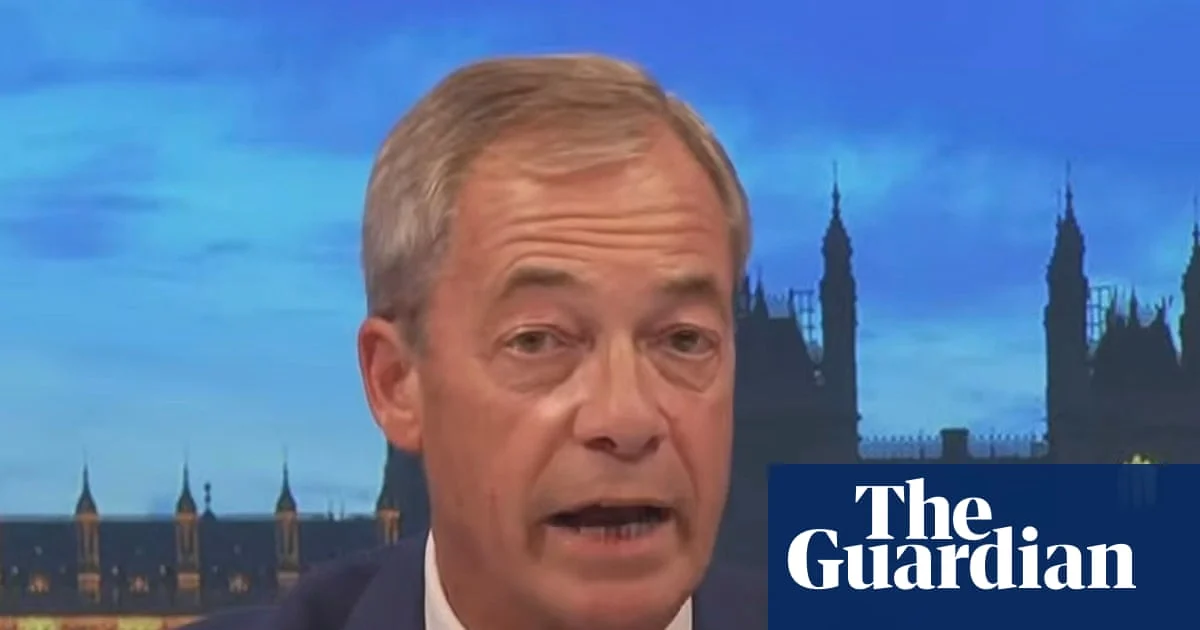
The UK has been identified as an outlier in Europe for allowing serving politicians, including Nigel Farage, to present TV shows covering current affairs. This finding comes from an unprecedented analysis of broadcasting rules across European nations.
Farage is among several Reform UK figures permitted to present shows on the right-wing network GB News. Other Reform members, including MP Lee Anderson and former candidate Matt Goodwin, also hold regular slots on the channel. The distinction highlights a regulatory gap that raises questions about media impartiality and political influence in British broadcasting.
Key Facts
- The UK is an outlier in Europe for letting politicians present TV shows
- Nigel Farage hosts a show on GB News
- Lee Anderson and Matt Goodwin also present on GB News
- The analysis focused on current-affairs programming
- Concerns were raised about broadcast impartiality
What the Rules Say
The analysis of broadcasting regulations across Europe found that the UK’s approach to allowing serving politicians to present current-affairs TV shows is highly unusual. Most European countries have stricter rules preventing or limiting such arrangements to maintain broadcast neutrality. The Ofcom code, which governs UK broadcasting, permits these presentations under certain conditions, but critics argue those safeguards are insufficient.
This regulatory leniency enables political figures to directly shape public discourse through media platforms while holding or seeking elected office. The presence of active politicians on airwaves blurs the line between journalism and political advocacy, prompting concerns from media watchdogs and opposition parties alike.
Who Is Affected?
The affected parties include viewers, broadcasters, and political competitors. Viewers may receive content influenced by political agendas without clear distinction between commentary and reporting. Broadcasters like GB News benefit from high-profile presenters who draw audiences, but they must navigate impartiality requirements. Competing politicians and parties may view this arrangement as unfair advantage, especially when their own figures are excluded from similar opportunities.
Reform UK politicians appear well-represented on GB News, with Farage, Anderson, and Goodwin all hosting programs. Their visibility on a major news channel could impact public perception and electoral dynamics, particularly in a tightly contested political environment.
How Did We Get Here?
The rise of partisan media and the proliferation of opinion-driven programming have shifted traditional broadcasting norms. In the UK, deregulation and changing viewer habits have allowed channels like GB News to experiment with political presenters. The Guardian reports that an unprecedented analysis confirms this practice is uncommon elsewhere in Europe, suggesting the UK is moving toward a more polarized media landscape.
Unlike many European counterparts, UK regulators have not imposed strict bans on politicians hosting shows. Instead, they rely on codes of conduct and editorial guidelines. Critics argue these measures are reactive rather than preventive, creating openings for political influence to seep into news presentation.
What We Know — and What We Don’t
Verified by the source:
- The UK allows politicians to present TV shows covering current affairs
- Nigel Farage presents on GB News
- Lee Anderson and Matt Goodwin also present on GB News
- An analysis confirmed the UK is unusual in Europe for this practice
- Concerns were expressed about impartiality
Still unconfirmed:
- The specific names of all European countries compared
- The exact criteria used in the broadcasting analysis
- The timeline or duration of the review
- Direct statements from Ofcom or GB News
- Quantitative audience impact data
Why It Matters
This story matters because it touches on the integrity of news media and political fairness in a democratic society. When politicians serve as TV presenters, the boundary between information and persuasion becomes unclear. Viewers rely on broadcasters to provide balanced coverage, and regulators must ensure that media does not become an extension of political campaigns. The UK’s unique stance could influence future broadcasting policy and set precedents for other democracies grappling with media polarization.
What To Watch
Watch for responses from Ofcom or other European regulators, and any changes to broadcasting rules governing political involvement in media.
The UK stands alone in Europe for allowing serving politicians to host current-affairs TV shows, raising fresh questions about impartiality.
For more on media and politics, visit our politics or war-geopolitics sections.