LEDE
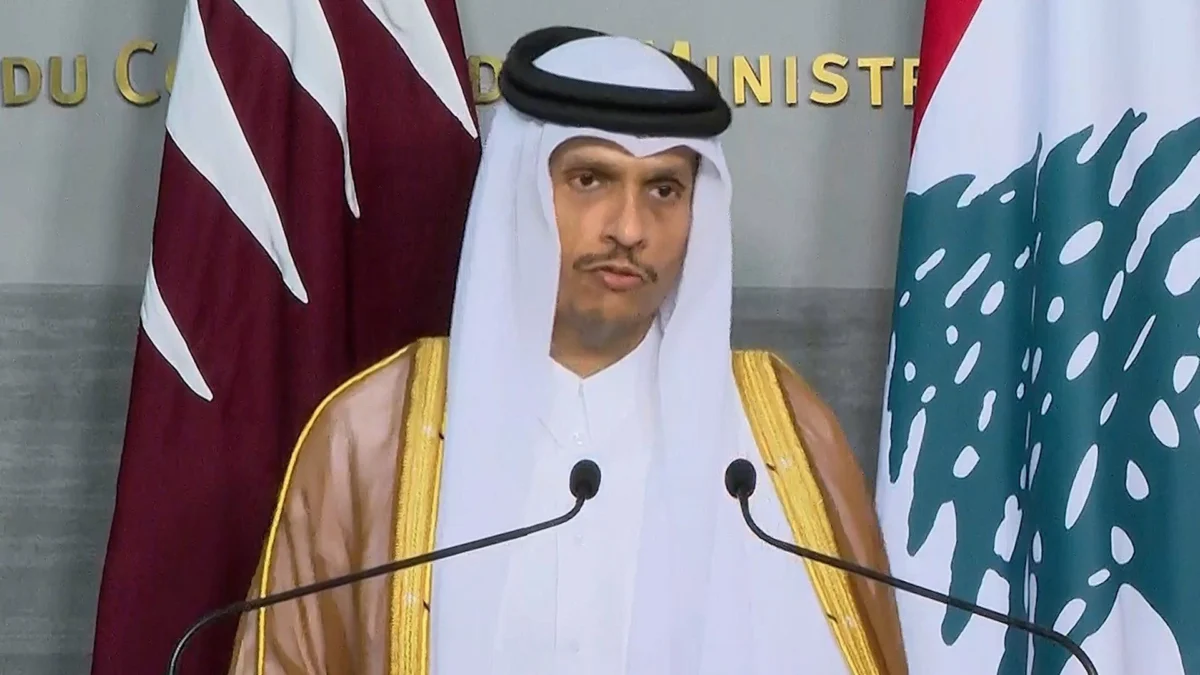
Qatar’s foreign minister has called for an Israeli withdrawal from Lebanon, reaffirming Doha’s support for the country. The statement was reported by Al Jazeera, which also noted that Qatar’s prime minister and minister of foreign affairs reiterated the stance. The remarks come amid ongoing tensions in the region, with Lebanon frequently cited in cross-border exchanges between Hezbollah and Israeli forces.
The appeal underscores Qatar’s diplomatic alignment with Lebanon, a position the Gulf state has maintained through years of regional instability. Qatar has historically extended financial and political backing to Lebanon, particularly during periods of economic crisis and security strain.
KEY FACTS
- Qatar FM calls for Israeli withdrawal from Lebanon.
- Qatar reaffirms support for Lebanon.
- The statement was reported by Al Jazeera.
- Qatar’s PM and FM jointly made the appeal.
THE STORY
What happens next?
Following Qatar’s public call for withdrawal, attention is likely to turn to whether the appeal gains traction among international actors involved in regional diplomacy. The United Nations, the United States, and European nations often play mediating roles during escalations between Israel and Hezbollah-linked groups in southern Lebanon. Any formal response may surface through statements from these bodies or direct negotiations between Lebanese and Israeli officials.
Regional observers will also watch whether Qatar coordinates further measures with other Arab states or takes additional steps to reinforce its support for Lebanon. Past instances show that Gulf Cooperation Council members sometimes issue unified positions during moments of heightened tension. Whether such coordination occurs depends largely on evolving developments on the ground.
Who is affected?
Citizens in both Lebanon and Israel remain directly impacted by recurring border instability. In Lebanon, communities in the south have faced repeated displacement due to cross-border rocket fire attributed to Hezbollah. Meanwhile, northern Israeli towns have experienced similar disruptions, with residents seeking shelter during flare-ups.
Internationally, humanitarian organizations operating in the region continue to assist affected families. Aid workers have reported challenges accessing certain areas amid security concerns, complicating relief efforts. The broader population of each country bears the long-term consequences of sustained tension along the Blue Line demarcation.
How did we get here?
Tensions have simmered between Hezbollah and Israeli forces for decades, intensifying periodically since 2006. Each side accuses the other of provocations, leading to tit-for-tat violence that destabilizes border regions. These confrontations often draw in regional powers like Iran, which supports Hezbollah, and the United States, which maintains close ties with Israel.
Qatar entered the conversation as part of a bloc of Arab nations seeking to balance relations with multiple stakeholders. While some Arab states have normalized ties with Israel in recent years, others—including Qatar—have emphasized solidarity with Palestinian and Lebanese causes. This divide reflects shifting alliances within West Asia’s geopolitical landscape.
WHAT WE KNOW — AND WHAT WE DON’T
Verified by the source:
- Qatar’s FM called for Israeli withdrawal from Lebanon.
- The statement was covered by Al Jazeera.
- Qatar’s PM and FM reaffirmed support for Lebanon.
Still unconfirmed:
- Exact timing of the statement.
- Specific language used in the original remarks.
- Reactions from Lebanese or Israeli authorities.
- Details about ongoing diplomatic engagement.
WHY IT MATTERS
Statements from influential regional players like Qatar carry weight in shaping narratives around conflicts involving Lebanon and Israel. Given decades of hostility, even symbolic gestures can influence public perception and diplomatic momentum across borders.
WHAT TO WATCH
Stakeholders should monitor upcoming briefings from UNIFIL or Lebanese government channels for official acknowledgment of Qatar’s position.