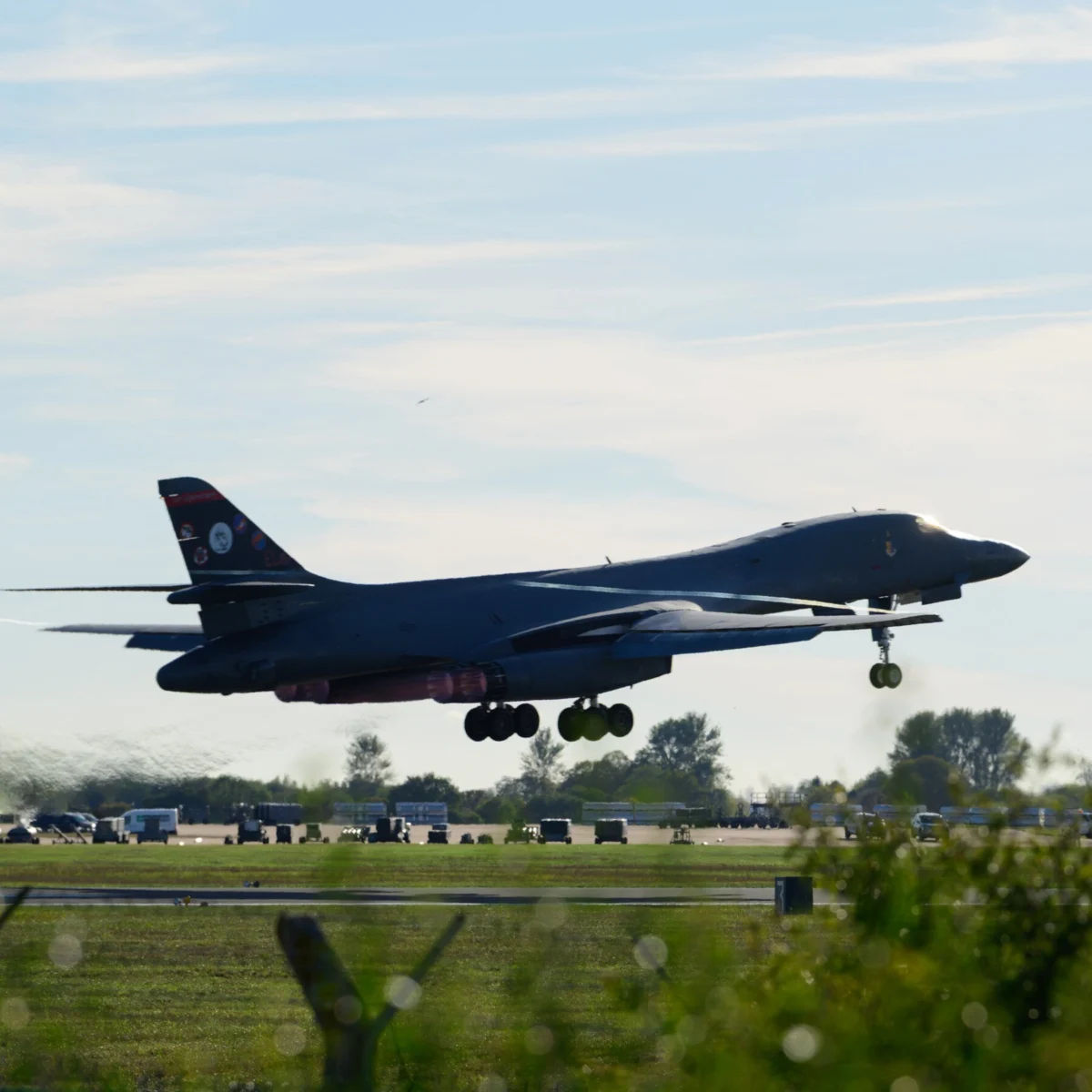
The United States removed its bombers from a UK air base with unusual speed after US officials reported threats tied to an Iran-based plot against the installation.
The rapid pullback underscores how intelligence about overseas threats can quickly reshape military posture, even at allied bases. The move involved aircraft based at RAF Fairford, a station used by US forces for decades.
Key Facts
- US withdrew bombers from a UK air base after new threats.
- Withdrawal occurred with unusual speed.
- Threats were said to involve an Iran-based plot.
- US officials described the threats.
- RAF Fairford was the affected installation.
The Story
What happens next?
The bomber withdrawal signals a recalibration of US force protection posture in Europe. Officials acted on intelligence suggesting a potential threat originating from Iran, though no public details about the nature or timing of that threat were provided. The speed of the relocation suggests urgency in the intelligence assessment.
RAF Fairford, located in Gloucestershire, has long served as a forward operating base for US strategic assets. Its use by bomber aircraft reflects standard rotational deployments rather than permanent basing. The base itself remains operational, but the departure of heavy aircraft marks a notable shift in current readiness.
Who is affected?
The redeployment affects US European Command operations and personnel tied to rotational bomber missions. Allied cooperation with the UK remains intact, but the incident highlights ongoing sensitivities around Middle Eastern tensions impacting NATO-area installations. Local communities near RAF Fairford may also notice changes in activity levels.
Military analysts note that bomber movements often serve both operational and deterrent purposes. Temporary removals due to threat assessments are routine adjustments based on classified intelligence streams. No public indication suggests the threat was credible beyond official characterization.
How did we get here?
Tensions between Iran and Western nations have periodically influenced US military planning across the region. Previous episodes have led to modified flight paths, enhanced security protocols, and temporary repositioning of assets. This case appears consistent with reactive measures taken when credible-enough intelligence reaches decision-makers.
Government sources did not elaborate on whether any specific attack planning was uncovered or disrupted. The absence of detailed public explanation reflects standard practice during active investigations or ongoing threat monitoring periods.
What We Know — and What We Don’t
Verified by the source:
- US removed bombers from a UK air base.
- The withdrawal happened unusually fast.
- Officials cited an Iran-based plot as the reason.
- No further identity or scope of threat was released.
Still unconfirmed:
- Specific identity or role of threatening actors.
- Exact number or type of aircraft involved.
- Timeline for return of bomber presence.
- Whether any actual plotting was substantiated.
Why It Matters
Military repositioning in response to foreign threats shapes alliance dynamics and public perception of security risks abroad. Decisions like these influence defense budgets, diplomatic relations, and strategic signaling to adversaries and partners alike.
What To Watch
Future statements from US or UK defense authorities may clarify whether bombers will return or whether new protective steps follow.
War & Geopolitics coverage continues with updates on shifting military postures and regional tensions.