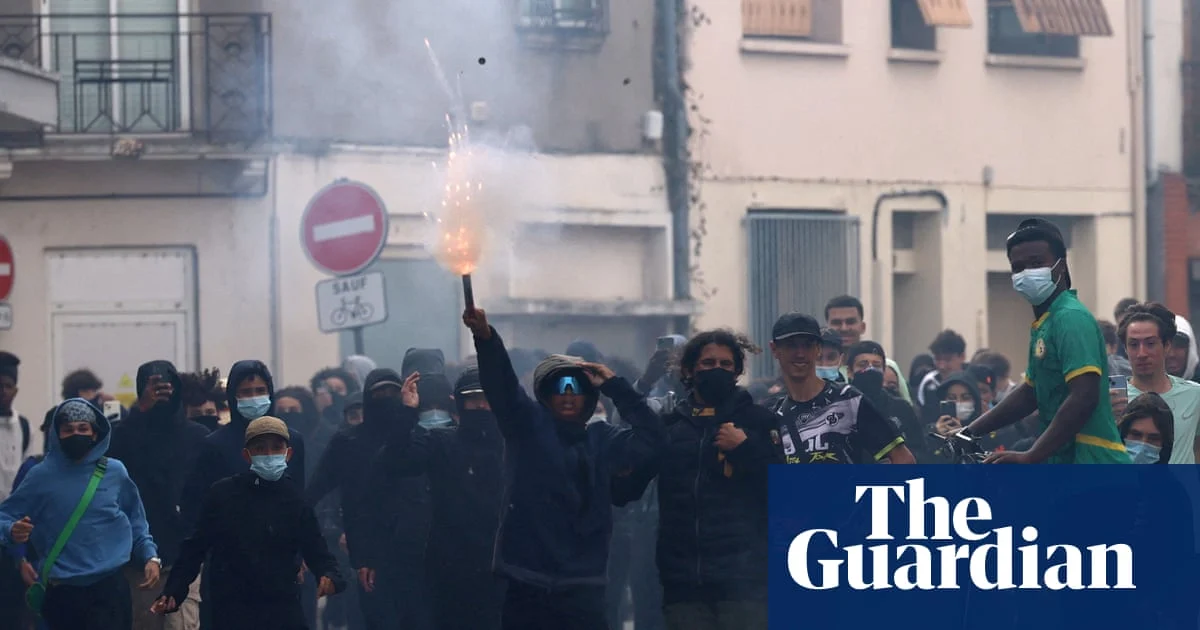
More than 400 schools in France will be closed or partly closed on Monday as authorities brace for a second week of student protests. Education minister Édouard Geffray stated that security conditions have not been fulfilled, leading to total or partial suspension of lessons in 400 to 500 schools. The unrest follows last week’s demonstrations that left 24 schools burnt or ransacked and 78 staff members injured.
The French government is preparing for continued unrest as students oppose what they describe as unacceptable conditions for holding normal classes. Officials have not detailed the specific trigger of the protests beyond the reported violence against schools and staff. The closures affect a wide swath of the country’s education system, disrupting routines for tens of thousands of students as negotiations and security assessments continue behind the scenes.
Key Facts
- More than 400 schools closed or partly closed Monday across France.
- Education minister Édouard Geffray confirmed 24 schools burnt or ransacked since unrest began.
- 78 staff members injured since student protests began last week.
- School security conditions reportedly ‘not fulfilled’ for reopening.
- Lessons to be suspended totally or partly in 400 to 500 schools.
What Happens Next?
French authorities are bracing for another wave of student-led demonstrations scheduled for Monday, raising uncertainty about whether additional schools will join the list of closures. So far, the education ministry has not issued a comprehensive list of affected institutions, but local officials are expected to coordinate individual decisions based on real-time assessments of safety and security. Parents and guardians were advised to await direct communication from their respective schools before arriving Monday morning.
The ongoing situation may also impact nationwide academic schedules, with potential rescheduling of exams or administrative procedures if disruptions extend into future weeks. Government officials have emphasized that no compromise on public safety or educational access will be tolerated, even as student groups express frustration over what they consider to be systemic issues within the education system. Mediated talks between student representatives and ministry officials are anticipated but no formal timeline has been announced.
How Did We Get Here?
The current wave of student unrest began last week when demonstrations erupted across multiple regions, escalating into physical confrontations near school campuses. According to the education ministry, the protests gave way to property damage and injuries among staff attempting to maintain order, prompting emergency responses from local law enforcement. These incidents contributed to the decision to shut down dozens of schools temporarily, with closure counts rising daily as the scope of damage widened.
An official timeline of events remains unclear, but sources indicate that the unrest started in response to broader grievances related to curriculum reforms and student safety standards. While specific student organizations involved have not been named in reporting, several regional education authorities acknowledged receiving advance notice of planned actions. As investigations continue, the government faces mounting pressure to address both the root causes of dissatisfaction and the immediate fallout from violent episodes linked to the protests.
Who Is Affected?
Students enrolled in affected institutions face disruption to daily learning routines, with many uncertain whether remote or hybrid instruction options will be provided during closure periods. Teachers and administrative personnel who attempted to operate campuses amid rising tensions account for a significant portion of the reported injuries, highlighting risks faced by education workers caught between institutional duties and volatile situations.
Local communities surrounding impacted schools also bear indirect effects, particularly those reliant on school meals or structured activities serving youth populations. Parents navigating childcare responsibilities amid last-minute cancellations expressed frustration over inconsistent communication from district-level administrators operating without centralized guidance. Regional governments reported logistical challenges coordinating transportation schedules and meal distributions originally tied to fixed classroom attendance patterns.
What We Know — and What We Don’t
Verified by the source:
- Over 400 schools closed partially or fully across France.
- 24 schools damaged; 78 staff injured during recent unrest.
- Closure linked to unmet security conditions cited by officials.
- Education ministry anticipates continued disruptions Monday.
Still unconfirmed:
- Exact trigger or demands driving student protests.
- Official list of affected schools not yet released.
- No formal negotiation process disclosed publicly.
Mass school closures tied to France student protests highlight how civic unrest can ripple through public infrastructure, affecting vulnerable populations most acutely. Explore more developments in war-geopolitics and related updates under politics.
Government responses to such incidents often reflect tensions between maintaining order and addressing legitimate concerns raised by youth movements shaping national discourse. Future outcomes depend heavily on whether diplomatic engagement can deescalate conditions before further damage occurs.
France school protests remain fluid, with ongoing investigations and unclear resolution pathways. Stay tuned for authoritative updates as verified information surfaces.