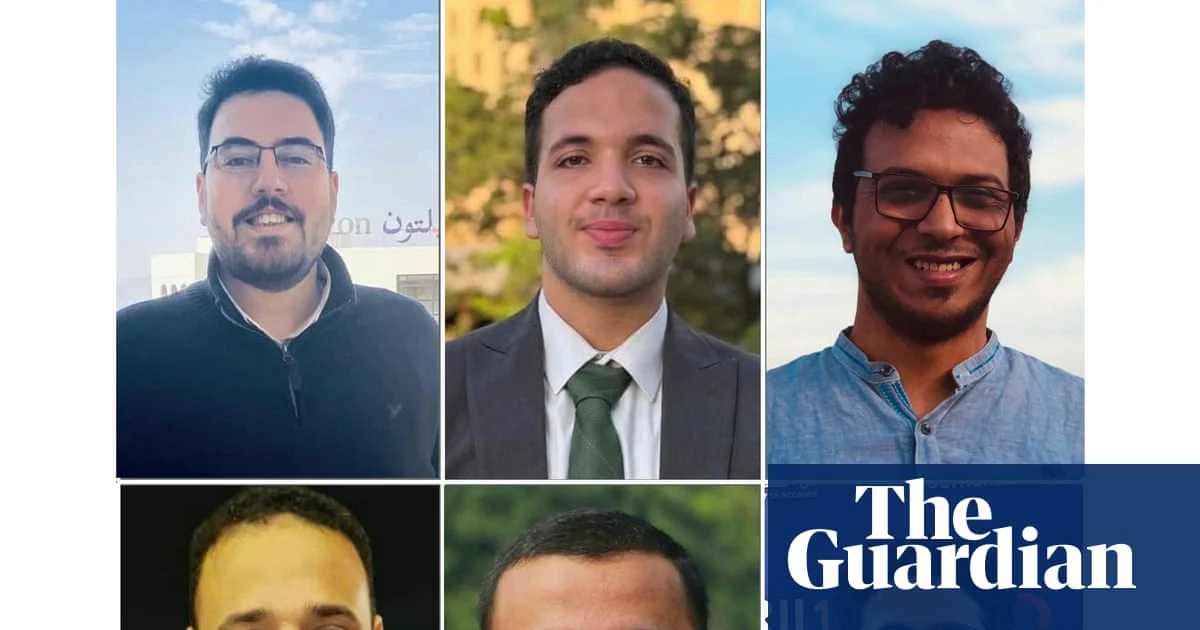
An Egyptian journalist has been charged with joining a terrorist group after an entire newsroom was detained, prompting concerns over press freedom. Authorities arrested six journalists from the independent fact-checking and investigative platform Matsadaash, accusing them of being unlicensed and publishing false news on behalf of the outlawed Muslim Brotherhood. While one staff member now faces terrorism charges, the whereabouts of the remaining five detainees remain unknown, drawing criticism from rights groups who view the arrests as part of a broader crackdown on press freedom.
The detentions underscore ongoing tensions between Egyptian authorities and independent media operating outside state-sanctioned channels. Rights organizations have long raised alarms about restrictions on free expression in the country, particularly targeting outlets perceived as critical of government policies or linked to banned political movements.
KEY FACTS
- An Egyptian journalist has been charged with joining a terrorist group.
- Six journalists from Matsadaash were arrested by authorities.
- Authorities accused the platform of being unlicensed and spreading false news.
- The platform was linked to the outlawed Muslim Brotherhood.
- The whereabouts of five other detained staff remain unknown.
The Charges and Detentions
One of the six arrested journalists has now been formally charged with joining a terrorist group, according to a statement issued by Egyptian authorities. The charges stem from allegations that Matsadaash operated without proper licensing and published content deemed false or supportive of the Muslim Brotherhood, a group banned in Egypt since 2013. The platform’s name translates roughly to “don’t believe,” reflecting its mission as an independent fact-checking and investigative outlet.
The timing and nature of these arrests align with longstanding concerns raised by international watchdogs about press freedom in Egypt. Organizations such as Reporters Without Borders and Human Rights Watch have repeatedly criticized the Egyptian government for using antiterrorism legislation to silence dissenting voices, particularly those associated with Islamist groups or critical journalism.
Where Are the Other Five?
While one suspect has been charged, the locations of the remaining five Matsadaash staff members have not been publicly disclosed, leaving families and colleagues uncertain about their status. This lack of transparency has fueled fears that the detainees may be held incommunicado, a practice often criticized by human rights defenders when applied to journalists and activists. Legal experts note that prolonged incommunicado detention can hinder access to legal representation and expose individuals to potential abuse.
Lawyers representing the detainees have reportedly requested information regarding their clients’ conditions and legal proceedings, but authorities have yet to provide clear updates. The absence of timely communication complicates efforts to mount an effective defense and raises questions about adherence to due process standards.
What Happens Next?
The legal proceedings against the charged journalist will likely proceed under Egypt’s counterterrorism framework, which allows for extended pre-trial detention periods and limited public disclosure. International human rights bodies have previously expressed concern over the use of such laws to suppress legitimate dissent and restrict press freedom. Unless new developments emerge, including formal confirmation of the detainees’ locations or release orders, uncertainty will persist for Matsadaash and its supporters.
WHAT WE KNOW — AND WHAT WE DON’T
Verified by the source:
- A journalist from Matsadaash was charged with joining a terrorist group.
- Six journalists from the platform were detained.
- Authorities accused Matsadaash of being unlicensed and publishing false news.
- The platform was linked to the Muslim Brotherhood, which is outlawed in Egypt.
- The whereabouts of five other detained staff members remain unknown.
Still unconfirmed:
- The exact date when the arrests occurred.
- The identities or names of the detained individuals.
- Whether the detainees have had access to legal counsel.
- Details surrounding the specific content cited in the false news allegations.
- Official confirmation from the detainees or their legal teams.
Why It Matters
This case highlights the precarious state of press freedom in Egypt, where journalists working outside government oversight face increasing scrutiny and prosecution. The use of anti-terrorism charges against media figures reflects a pattern seen across several countries where national security laws are invoked to stifle independent reporting. Such developments threaten democratic norms and limit public access to diverse sources of information.
Efforts to hold those responsible accountable often depend on international pressure and sustained advocacy. Public awareness of cases like this helps sustain global attention on the importance of protecting journalists and ensuring safe working conditions for those who report on sensitive issues.
What To Watch
Further developments may include court hearings involving the charged journalist, potential statements from legal representatives, or renewed calls from rights groups for the release of all detained Matsadaash staff. Officials have not yet commented beyond initial accusations, and no timeline for resolution has been provided.