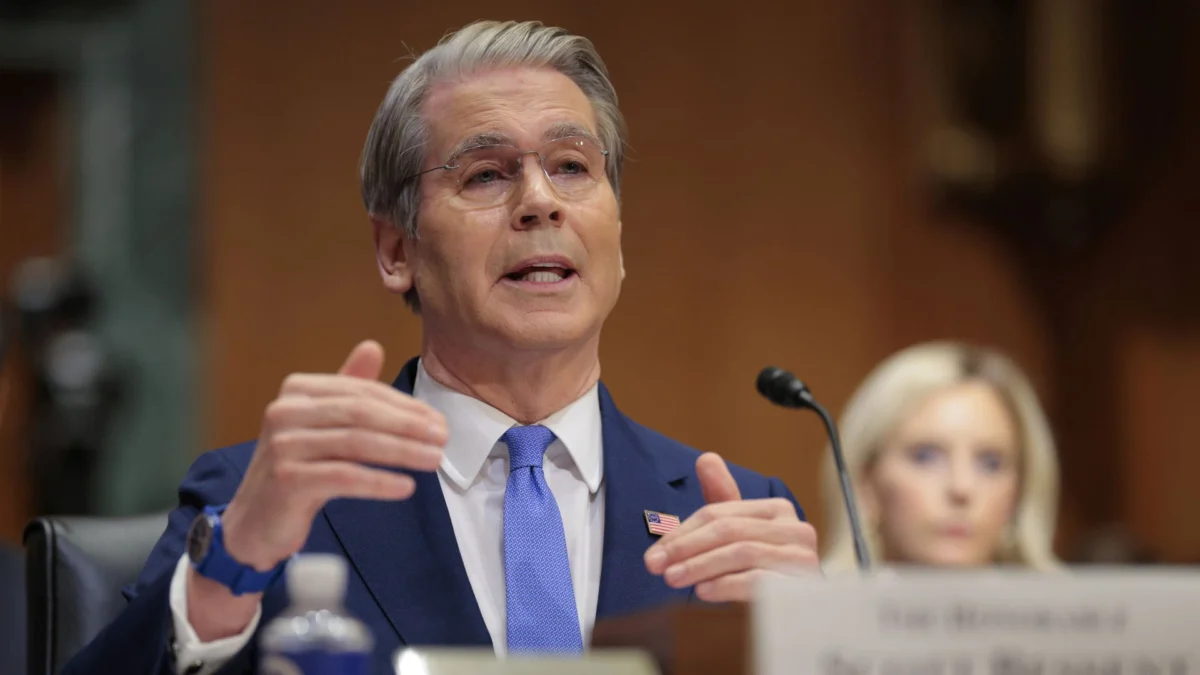
The U.S. Treasury’s top international negotiator faces a critical test of diplomatic skill at the upcoming G20 summit, tasked with addressing escalating trade tensions, the risk of wider conflict with Iran, and instability in global bond markets.
According to US Top News and Analysis, the official must balance competing economic and geopolitical priorities as world leaders gather amid heightened global tensions. The meetings come at a fragile moment for international cooperation on economic policy.
Key Facts
- U.S. Treasury official faces G20 diplomacy challenges on multiple fronts
- Discussions will address ongoing tariff disputes between major economies
- Iran tensions threaten to spill over into economic negotiations
- Global bond market turmoil adds pressure to financial stability talks
Why This G20 Summit Matters More
The gathering comes at a time when traditional channels of economic cooperation are strained. Unlike previous summits focused primarily on coordinating monetary policy or trade rules, this meeting occurs against a backdrop of active military tensions and financial market volatility that could impact discussions.
What Makes These Negotiations Difficult?
The Treasury official must navigate overlapping crises that don’t have clear compartmentalization. Trade disputes may become entangled with security concerns, while financial market instability threatens to undermine confidence in any agreements reached. This creates a complex three-dimensional negotiation environment where progress in one area could be undermined by setbacks in others.
What We Know — and What We Don’t
- Verified by the source:
- G20 summit will address tariff disputes
- Iran war risks are part of discussions
- Bond market turmoil is on the agenda
- Still unconfirmed:
- Specific negotiating positions of participating nations
- Whether financial and geopolitical issues will be treated separately
- Potential outcomes or agreements from the summit
Why It Matters
The G20 represents the world’s largest economies, and its decisions impact global markets, trade flows, and financial stability. Successful diplomacy could help prevent further escalation in both economic and security tensions, while failure risks compounding existing challenges.
What To Watch
Observers will monitor whether the summit produces concrete agreements or merely highlights continuing divisions. The Treasury official’s ability to find common ground could signal whether major economies can cooperate despite overlapping crises.