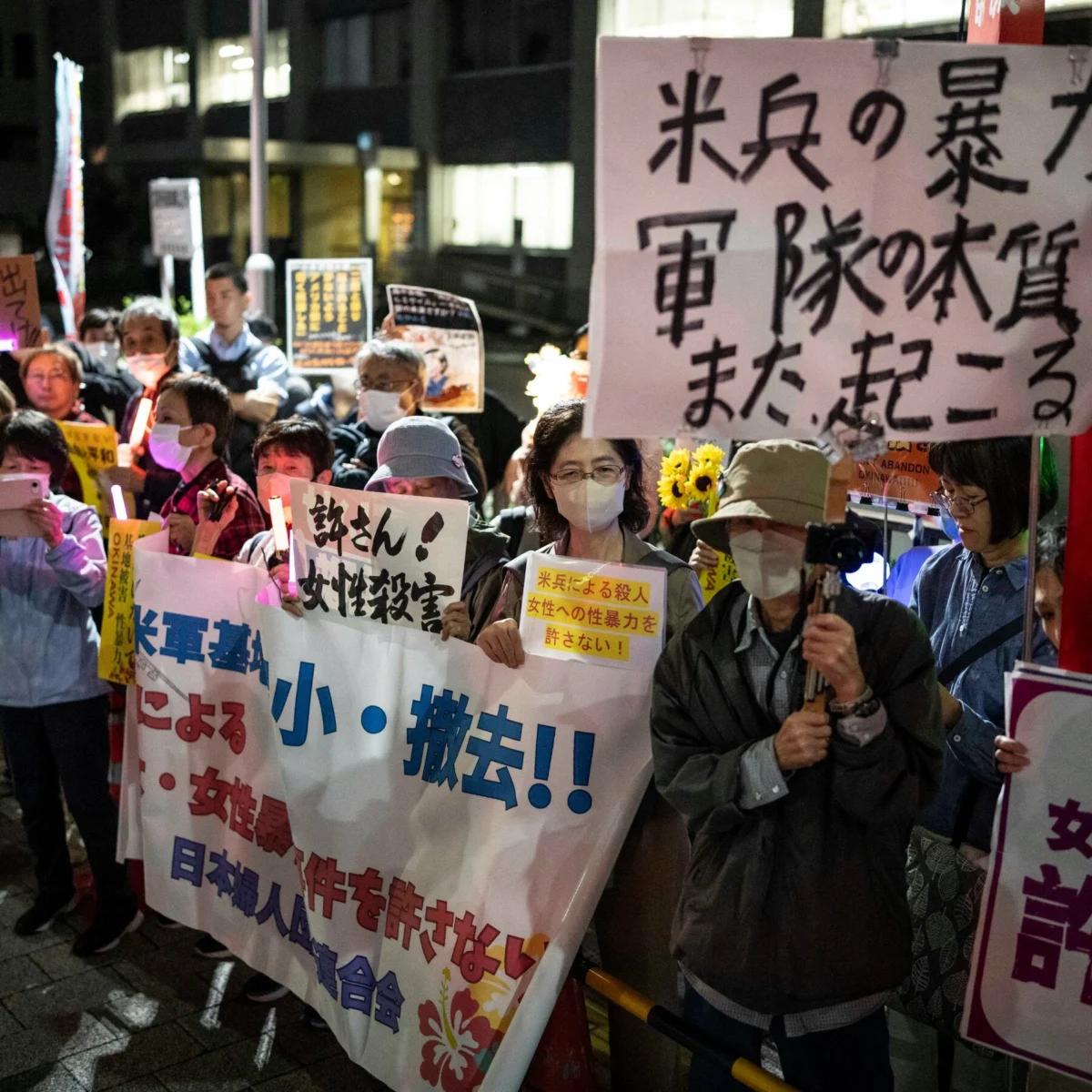
A U.S. Marine murder case in Japan has drawn renewed public outcry and placed pressure on Japanese leadership to address ongoing concerns about the presence of American troops. The case has reignited long-standing debates over crime, accountability, and the bilateral security agreement that governs the deployment of U.S. forces in Japan.
Prime Minister Sanae Takaichi, noted as a close ally of former U.S. President Donald Trump, now faces mounting domestic pressure to strengthen oversight mechanisms for U.S. military personnel operating within Japan’s borders. These tensions reflect broader frustrations among Japanese citizens regarding perceived gaps in legal cooperation and jurisdictional clarity between the two nations.
Key Facts
- A U.S. Marine is accused in a murder case in Japan, sparking public outcry.
- Prime Minister Sanae Takaichi is facing pressure to strengthen U.S. military oversight.
- Takaichi is described as a close ally of former President Donald Trump.
- The case revolves around jurisdiction and accountability involving U.S. military personnel.
The Story
What happens next?
The future of this case will likely hinge on how Japanese officials respond to public demands for stricter oversight. While details remain limited, the focus appears to center on whether new agreements or policy changes might be pursued to improve transparency and accountability. For now, the situation underscores persistent friction between local communities and the U.S. military footprint.
This dynamic is not new; previous incidents involving U.S. service members have similarly strained relations. However, the current wave of criticism suggests growing impatience among the public and political figures alike. Whether this translates into concrete reforms remains uncertain, but the pressure on Prime Minister Takaichi continues to build.
Who is affected?
Beyond the individuals directly involved in the incident, the U.S. Marine murder case affects broader populations across Japan, particularly those living near U.S. military installations. Local residents have long voiced concerns over noise, safety, and crime linked to nearby bases, making such incidents flashpoints for wider grievances.
Additionally, U.S. service members stationed throughout Japan may face increased scrutiny and tighter restrictions as a result of public sentiment. The military itself must also navigate diplomatic sensitivities while maintaining operational readiness. Meanwhile, policymakers are caught between managing national security interests and addressing civilian anxieties.
On the international stage, this case influences perceptions of the U.S.-Japan alliance. Critics argue that without effective oversight, the partnership risks erosion of public trust, which forms an essential foundation for its longevity.
How did we get here?
Tensions surrounding U.S. military presence in Japan date back decades, rooted in post-World War II arrangements that granted American forces significant autonomy. Over time, numerous incidents—each varying in severity—have fueled anti-base sentiment, especially in Okinawa, where a disproportionate number of facilities exist.
In recent years, efforts to revise status-of-forces agreements have been met with mixed results. Some progress has been made in joint training protocols, yet many questions linger about who holds ultimate authority when crimes occur involving active-duty personnel. These unresolved issues continue fueling skepticism toward both governments.
The current U.S. Marine murder case adds momentum to advocates calling for systemic reform. As debate unfolds, attention turns to whether meaningful change can emerge from prolonged negotiations and public discourse.
What We Know — and What We Don’t
Verified by the source:
- A U.S. Marine stands accused in a murder case in Japan.
- Public outcry has followed the case.
- Prime Minister Sanae Takaichi faces pressure to enhance U.S. military oversight.
- Takaichi maintains a close relationship with former President Donald Trump.
Still unconfirmed:
- Specific details about the alleged crime or location.
- Legal proceedings or charges filed against the individual.
- Exact nature of proposed reforms being considered.
- Takaichi’s official response or statements on the matter.
Why It Matters
This U.S. Marine murder case highlights enduring challenges tied to foreign military presence and civilian oversight. It reflects deeper societal concerns about sovereignty, justice, and mutual respect within alliances that shape regional stability.
For readers, understanding these dynamics helps contextualize news beyond headlines. Explore more on war-geopolitics or [economy-markets] for related geopolitical developments.
What To Watch
Upcoming policy discussions could shed light on potential reforms. Officials have yet to comment publicly, but any formal proposals would mark a significant step forward—or backward—in U.S.-Japan military cooperation.
Meta: A U.S. Marine murder case in Japan sparks political pressure on Prime Minister Sanae Takaichi to strengthen military oversight amid rising public outcry.