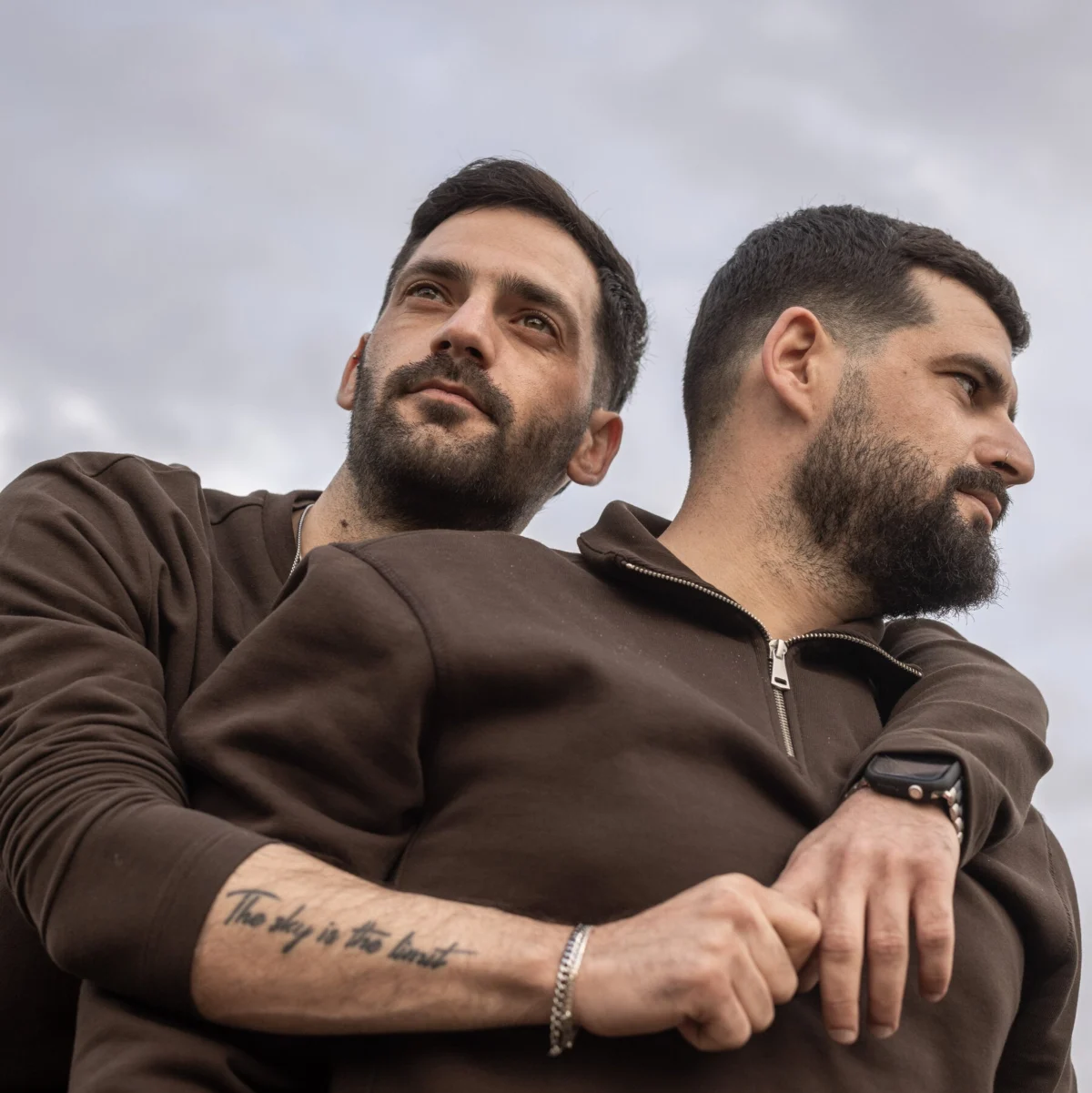
One year after their release, twin brothers Gali and Ziv Berman remain grappling with the aftermath of being abducted during the Oct. 7 attacks. Their journey from captivity to freedom marks only the beginning of a long and complex process of recovery.
The twins were seized when their kibbutz came under attack on October 7, 2023. They were among dozens of people taken hostage during the coordinated assault that shattered life in southern Israel. A year after their liberation, they are working to reclaim normalcy while confronting the psychological toll of their ordeal.
Key Facts
- Gali and Ziv Berman were abducted during the Oct. 7 attacks on their kibbutz.
- They were freed a year ago after months in captivity.
- They are still adjusting to freedom and rebuilding their lives.
What Happened During the Abduction?
On October 7, 2023, the kibbutz where Gali and Ziv Berman lived was attacked as part of a larger wave of violence. The twins were among those taken hostage. Their capture was one of many incidents during the broader Oct. 7 attacks, which targeted communities across southern Israel.
The kidnapping disrupted not only the lives of the hostages but also their families and entire communities. Those taken were separated from loved ones in chaotic and dangerous conditions. For the Berman twins, the trauma of that day marked the start of an uncertain period of captivity.
The Oct. 7 attacks led to the longest kidnapping crisis in Israel’s modern history. International efforts eventually secured the release of many hostages, though some remained captive for months.
How Are Life and Recovery Progressing?
Since their release a year ago, Gali and Ziv Berman have focused on slowly reintegrating into daily life. Their story reflects the broader challenge faced by former hostages: adapting to a world that moved forward while they were gone.
Rebuilding routines, reconnecting with family, and finding emotional stability have become central parts of their days. Mental health support and community care play major roles in this stage, though progress can be uneven. Each small step forward carries meaning, yet setbacks are common as the effects of prolonged trauma linger.
Even with time, simple tasks can feel overwhelming. The twins continue to work through memories and fears tied to their experience during the Oct. 7 attacks. Support networks are essential, even when healing is slow and nonlinear.
What We Know — and What We Don’t
Verified by the source:
- The twins were abducted during the Oct. 7 attacks on their kibbutz.
- They were freed one year prior to the article’s publication.
- They are still adjusting to freedom and attempting to rebuild their lives.
Still unconfirmed:
- The exact conditions of their captivity.
- The names or roles of individuals involved in securing their release.
- Specific details about their current location or ongoing support services.
Why It Matters
The ongoing struggles of freed hostages highlight how liberation from captivity is just the first chapter of recovery. Their experiences underscore the lasting impact of mass violence and the importance of sustained support for survivors long after headlines fade.
What To Watch
Further updates may emerge as more time passes and additional accounts from former hostages become public. Official documentation of mental health outcomes and reintegration programs could shed light on how best to assist those affected by the Oct. 7 attacks.
Gali and Ziv Berman were abducted during the Oct. 7 attacks and freed a year ago, but are still adjusting to freedom and rebuilding their lives.