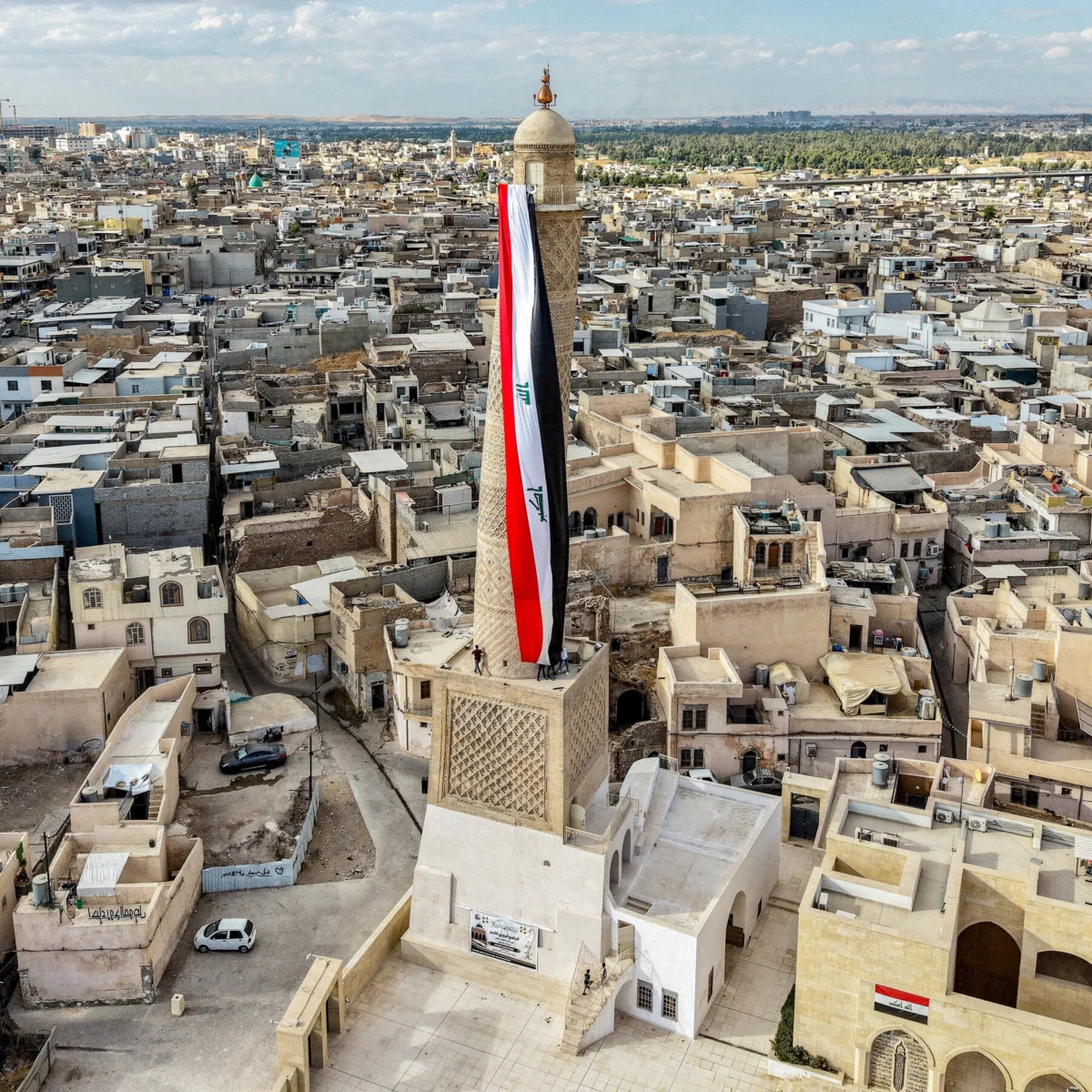
After two decades, U.S. forces have completed their withdrawal from Iraq, ending a military presence that sparked intense debate and conflict. Some Iraqis are celebrating the departure, while others worry about the country’s future amid growing Iranian influence and regional instability.
The withdrawal marks one of the longest U.S. military engagements in modern history, with roots stretching back to the early 2000s. Its aftermath remains deeply uncertain, as Iraq navigates shifting alliances and security challenges.
KEY FACTS
- U.S. forces have left Iraq after a two-decade deployment.
- Their presence unleashed waves of bloodshed, according to some accounts.
- Some Iraqis are celebrating the end of the American military presence.
- Others fear what happens next for their country.
- Iraq remains trapped between Washington and Tehran geopolitically.
What Happens Next?
The immediate future for Iraq is clouded in uncertainty. With U.S. forces gone, questions arise over who will fill the security vacuum and how regional actors will respond. Iran’s influence in Iraqi politics and military affairs has grown over the years, raising concerns among those who fear increased proxy conflicts or domestic unrest.
At the same time, the Iraqi government must balance its relationships with both the United States and Iran, neither of which shows signs of diminishing interest in the region. Economic stability, already fragile due to years of war and sanctions, may come under further strain if cross-border tensions escalate.
For now, many Iraqis are left to ponder whether the end of the U.S. presence will bring lasting peace or simply usher in a new phase of external interference.
Who Is Affected?
The withdrawal impacts multiple groups within Iraq and beyond. Ordinary citizens face ongoing threats to safety and livelihoods, particularly in areas where militias backed by foreign powers hold sway. Government institutions struggle to assert control without the backing of a major international ally.
Regional powers also have stakes in the outcome. The United States maintains strategic interests across the Middle East, while Iran continues to project influence through allied Shia groups inside Iraq. Neighboring countries watch closely, aware that shifts in Iraqi sovereignty can ripple outward.
Younger generations of Iraqis, who have known little else besides conflict, may bear the longest consequences of today’s decisions, even though they had no voice in them.
How Did We Get Here?
The U.S.-led invasion of Iraq began in 2003, setting off a chain of events that reshaped the entire region. Over time, American troops became entwined in sectarian violence, insurgency, and later counterterrorism operations against ISIS.
Despite official withdrawals and re-deployments over the years, thousands of U.S. personnel remained stationed in Iraq well into the late 2020s. Public sentiment inside Iraq increasingly turned against their presence, culminating in political pressure for full removal.
Now, with all combat troops reportedly withdrawn, attention turns to diplomatic engagement and long-term stability efforts.
WHAT WE KNOW — AND WHAT WE DON’T
Verified by the source:
- U.S. forces have ended their deployment in Iraq.
- The withdrawal follows roughly twenty years of continuous military involvement.
- Iraqi public opinion is divided over the implications of the pullout.
Still unconfirmed:
- No official statement confirms exact troop numbers prior to withdrawal.
- Timeline of final departure has not been independently verified.
- Extent of residual logistical or advisory roles post-withdrawal unclear.
WHY IT MATTERS
This moment reflects broader trends in global geopolitics, where long-running interventions often leave legacies difficult to resolve. For readers worldwide, the story underscores how foreign policy choices made decades ago continue shaping lives today—and why understanding these dynamics matters for peace and accountability.
WHAT TO WATCH
Observers should monitor whether any formal agreements govern future cooperation between Baghdad and Washington. Shifts in regional rhetoric or unexpected military movements could signal changes to the current status quo.