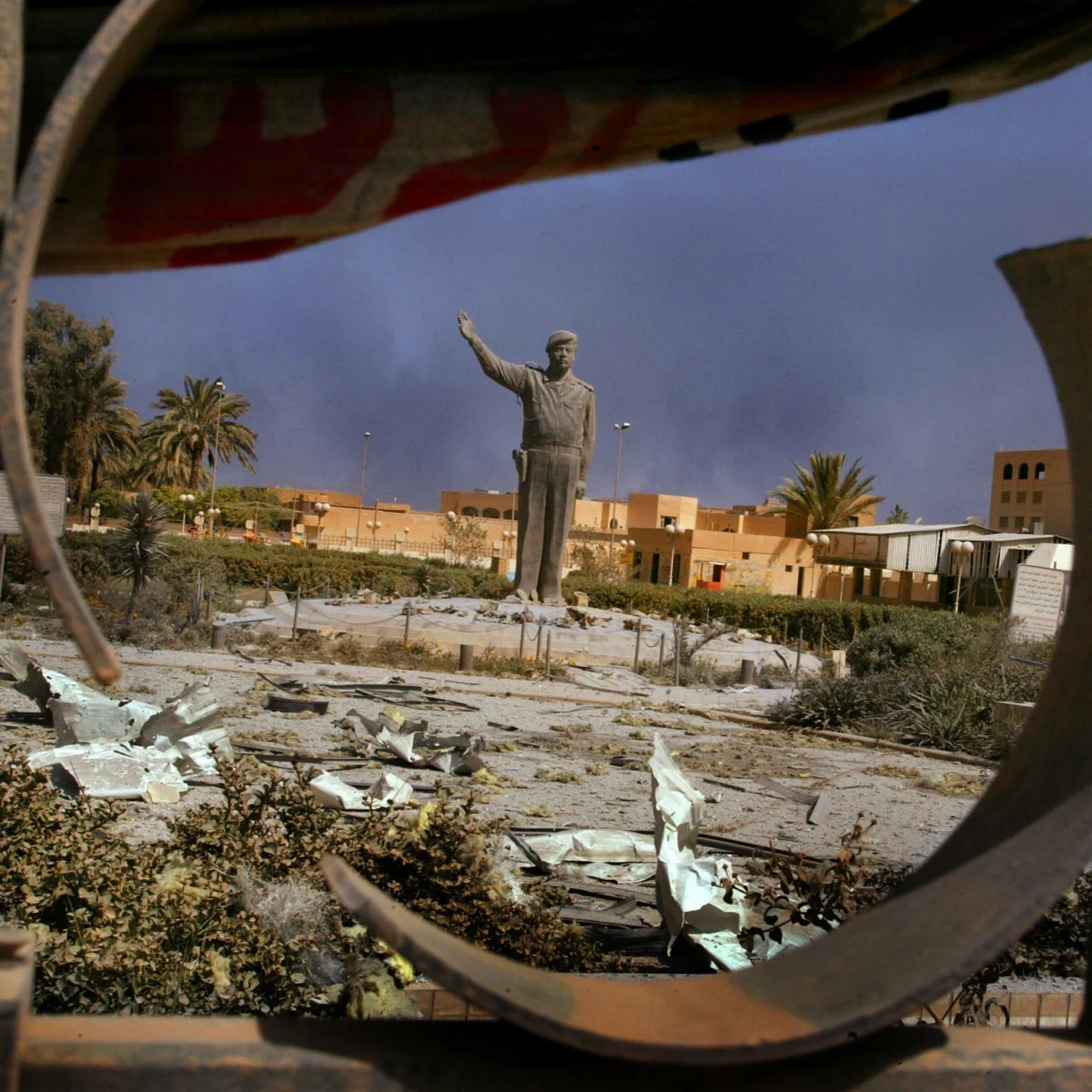
American forces have completed their withdrawal from Iraq, ending a military presence that began with the 2003 invasion and lasted over two decades. The departure marks the final chapter of a conflict that reshaped the Middle East and left deep political and social scars in Iraq.
Over nearly a quarter century, U.S. troops remained stationed across Iraq to support local government forces, conduct counterterrorism operations, and maintain a strategic foothold in the region. Their removal closes a prolonged chapter in one of the most consequential wars in recent American history, though the long-term consequences for both nations remain uncertain.
Key Facts
- American forces have withdrawn from Iraq.
- The withdrawal comes 23 years after the U.S.-led invasion.
- The invasion occurred in 2003.
- U.S. understanding of Iraq was limited at the time of invasion.
- Iraq experienced ongoing instability following the invasion.
How Did We Get Here?
The U.S.-led invasion of Iraq in 2003 was launched with the aim of removing Saddam Hussein’s regime, citing concerns over weapons of mass destruction and links to terrorism. However, post-invasion governance proved complex, and American forces became entrenched in a years-long insurgency and sectarian violence.
Despite multiple drawdown efforts over the years, thousands of U.S. troops remained in Iraq well into the 2020s. Their presence was justified as necessary for training Iraqi security forces and countering threats from remnants of extremist groups. Yet as the years passed, questions mounted over the effectiveness and sustainability of the mission.
The recent decision to fully withdraw reflects shifting U.S. priorities and mounting pressure from both Iraqi officials and American policymakers to refocus resources elsewhere. While intended to signal a normalization of relations, the withdrawal also underscores the enduring challenges left unresolved since 2003.
What Happens Next?
With the last American forces gone, attention turns to how Iraq manages its security independently. The country now faces the task of stabilizing regions previously patrolled by coalition troops and addressing lingering threats from fragmented militant factions.
The vacuum left by the withdrawal could invite renewed competition among regional powers for influence in Baghdad. Iran, Turkey, and Gulf states all have strategic interests in shaping Iraq’s future direction. For the United States, the withdrawal signals a recalibration of its posture in the broader Middle East, especially amid evolving diplomatic and economic priorities.
Domestically, the withdrawal may fuel renewed political debate in Washington about the legacy of the Iraq War and the appropriateness of extended overseas deployments. Lawmakers and veterans alike are expected to reflect on what was gained—and lost—during the long engagement.
What We Know — and What We Don’t
Verified by the source:
- American forces have completed their withdrawal from Iraq.
- The withdrawal marks 23 years since the initial invasion in 2003.
- The U.S. did not fully understand Iraq at the time of the invasion.
- Insecurity and instability persisted throughout the occupation period.
Still unconfirmed:
- Exact number of troops involved in the withdrawal.
- Timeline or conditions under which the withdrawal was coordinated.
- Immediate security outcomes following the departure of U.S. forces.
- Official statements from U.S. or Iraqi leadership regarding future cooperation.
Why It Matters
The end of the American military presence in Iraq is more than a symbolic milestone—it represents a pivotal shift in how global powers project power abroad. After trillions spent and countless lives affected, the withdrawal invites reflection on interventionist policies and their lasting impact on international order and civilian populations.
What To Watch
All eyes will be on whether Iraq can maintain security without foreign military support. Analysts say further developments in regional diplomacy or escalation of internal unrest may reshape perceptions of the war’s outcome.