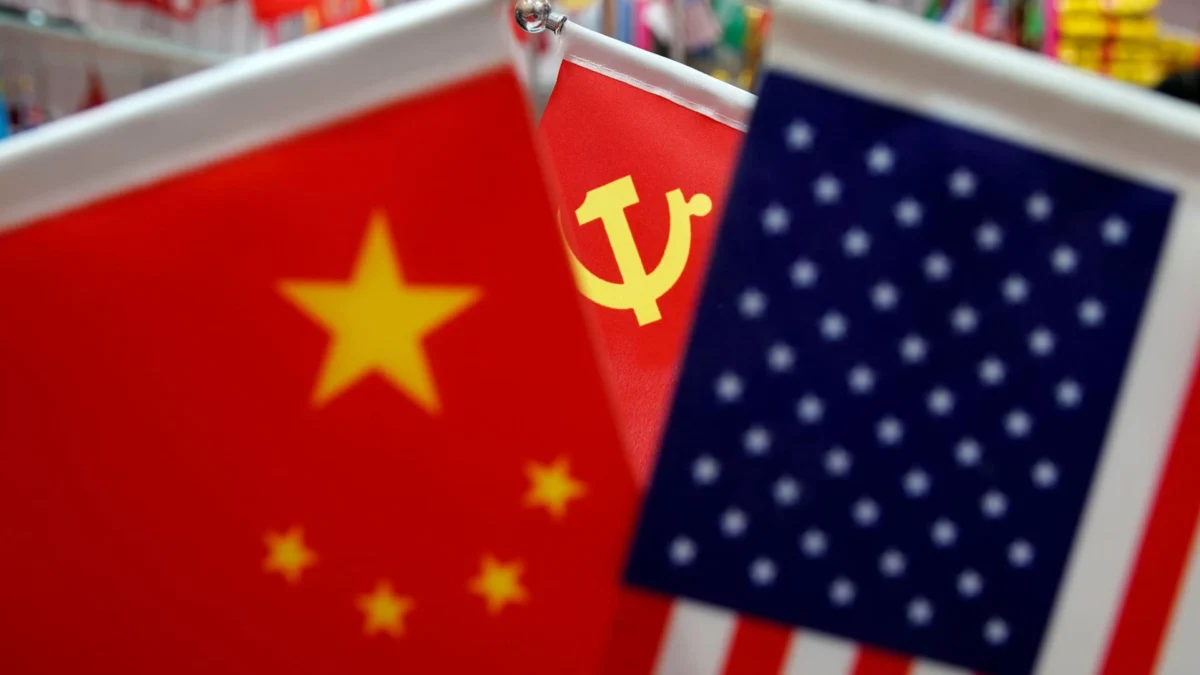
The trade truce between the United States and China has been extended for an additional two months, now set to expire on January 10, according to U.S. Treasury Secretary Scott Bessent. The extension comes as Chinese President Xi Jinping begins a state visit, signaling continued diplomatic engagement on economic matters between the two nations.
The original agreement, which was due to expire in November, will remain in effect pending further commitments from Beijing, Bessent noted, emphasizing that more deliverables are expected from China moving forward. The truce aims to prevent the imposition of new tariffs and stabilize trade relations amid ongoing economic tensions.
Key Facts
- The trade truce is extended for two months, now expiring Jan. 10.
- Scott Bessent announced the extension, originally set to expire in November.
- Beijing must fulfill additional deliverables under the extension.
- The extension coincides with President Xi Jinping‘s state visit.
Who Is Affected by the Extension?
The extension impacts businesses and consumers on both sides of the Pacific. American importers and exporters had been preparing for potential tariff hikes had the truce lapsed. Meanwhile, Chinese manufacturers and suppliers reliant on access to the U.S. market also stand to benefit from continued predictability. Financial markets have responded positively to signs of stability, though investors remain watchful for concrete policy moves.
Key sectors such as technology, agriculture, and consumer goods are sensitive to shifts in U.S.-China trade policy. Soybean farmers in the American Midwest, for instance, previously faced disrupted export channels during earlier phases of trade friction. Similarly, Chinese electronics firms depend heavily on U.S. demand and supply chain integration. Any breakdown in negotiations could reignite pricing pressures and logistics bottlenecks.
What Happens Next?
The path forward hinges on whether China meets its outstanding commitments under the phase-one deal, including purchases of U.S. goods and improved market access. Analysts suggest that failure to deliver may prompt renewed trade restrictions or renegotiation delays. The January 10 deadline provides a window for progress but does not guarantee permanence.
Both governments face domestic pressures. In the U.S., policymakers balance protecting strategic industries with keeping consumer prices stable. In China, leadership seeks to maintain economic momentum while navigating structural reforms. Diplomatic cues from high-level meetings and official statements will likely shape expectations ahead of the next review period.
What We Know — and What We Don’t
Verified by the source:
<n
- The truce has been extended to Jan. 10.
- Bessent cited unmet deliverables from Beijing.
- Xi Jinping is currently on a state visit during the announcement.
- The previous expiration date was November.
Still unconfirmed:
- Specific list of pending Chinese deliverables.
- Potential consequences if China fails to comply.
- Details of bilateral talks scheduled before Jan. 10.
- Market impact figures or projected tariff adjustments.
Why It Matters
This trade truce extension offers temporary relief to a global economy still adjusting to shifting U.S.-China dynamics. With inflation concerns lingering and supply chains vulnerable, sustained uncertainty over tariffs poses risks to growth. For American households, stable trade terms help keep import costs predictable. For multinational firms, clarity enables better planning and investment decisions. Ultimately, the stability fostered by this arrangement benefits consumers and producers alike across sectors dependent on trans-Pacific commerce.
What To Watch
Eyes turn now to whether Beijing addresses outstanding obligations tied to its phase-one commitments. Analysts expect incremental updates through early 2026, especially around agricultural imports and intellectual property safeguards. Officials have yet to confirm any firm timeline beyond the January cutoff.
Trade watchers should monitor upcoming bilateral dialogues and public remarks from economic advisors in both capitals. A meta description of this developing story: “U.S. and China extend trade truce to Jan. 10 as Xi visit underscores diplomatic push amid unresolved economic issues.”