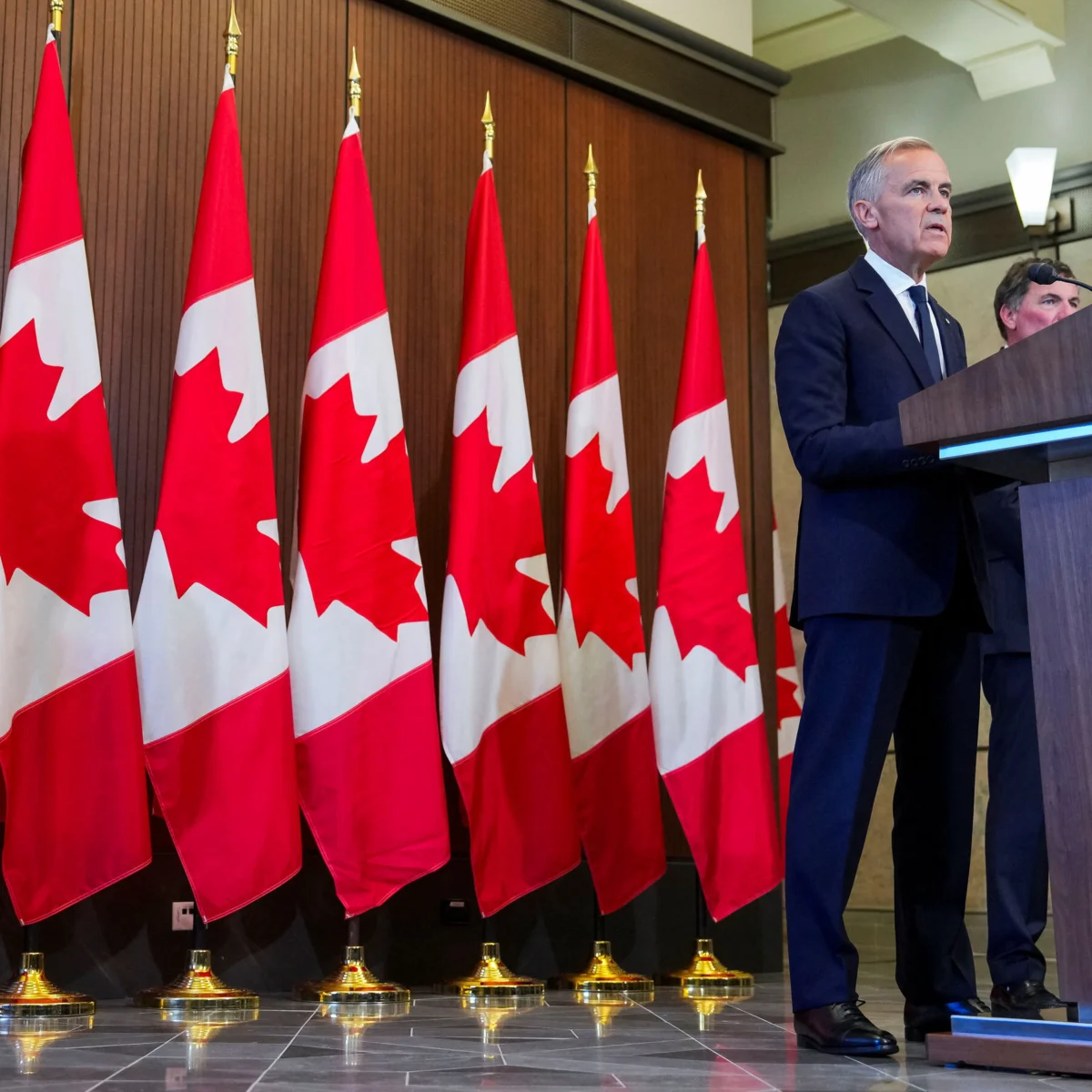
The U.S.-Canada trade war escalated after Canada suspended negotiations, prompting President Trump to impose 50 percent tariffs on a range of Canadian goods. Mark Carney, a key Canadian official, vowed retaliatory measures “dollar for dollar.” The move signals a deepening rift between the two nations over trade policies.
The dispute comes amid longstanding economic ties between the U.S. and Canada, which have been strained by recent disagreements. The new tariffs could disrupt supply chains and raise costs for businesses and consumers in both countries.
Key Facts
- Canada suspended trade negotiations with the U.S., according to NYT > World News.
- President Trump responded with 50 percent tariffs on a range of Canadian goods.
- Mark Carney said Canada would retaliate “dollar for dollar.”
How Did This Happen?
The breakdown in negotiations follows months of friction over trade terms between the U.S. and Canada. While the exact sticking points remain unclear, the abrupt suspension suggests a significant disagreement.
Trade wars often escalate when one side perceives unfair terms or seeks leverage in negotiations. In this case, the U.S. tariffs may be an attempt to pressure Canada into concessions, while Canada’s promised retaliation signals a refusal to back down.
What Happens Next?
The immediate impact will likely be higher costs for imported goods in both countries. Businesses that rely on cross-border supply chains may face disruptions.
Further negotiations could resume, but the current standoff suggests a prolonged dispute. Observers will watch for signs of de-escalation or further retaliatory measures.
What We Know — and What We Don’t
Verified by the source:
- Canada suspended trade talks.
- The U.S. imposed 50 percent tariffs on Canadian goods.
- Mark Carney promised dollar-for-dollar retaliation.
Still unconfirmed:
- The specific goods affected by the tariffs.
- Whether other nations will intervene or mediate.
- The timeline for potential resolution.
Why It Matters
Trade disputes between the U.S. and Canada can have far-reaching economic consequences, given their deep commercial ties. Consumers may see higher prices, while businesses could face uncertainty in planning and operations.
What to Watch
Future negotiations or additional retaliatory measures will determine whether the conflict escalates further. For more on trade disputes, see our war & geopolitics coverage.