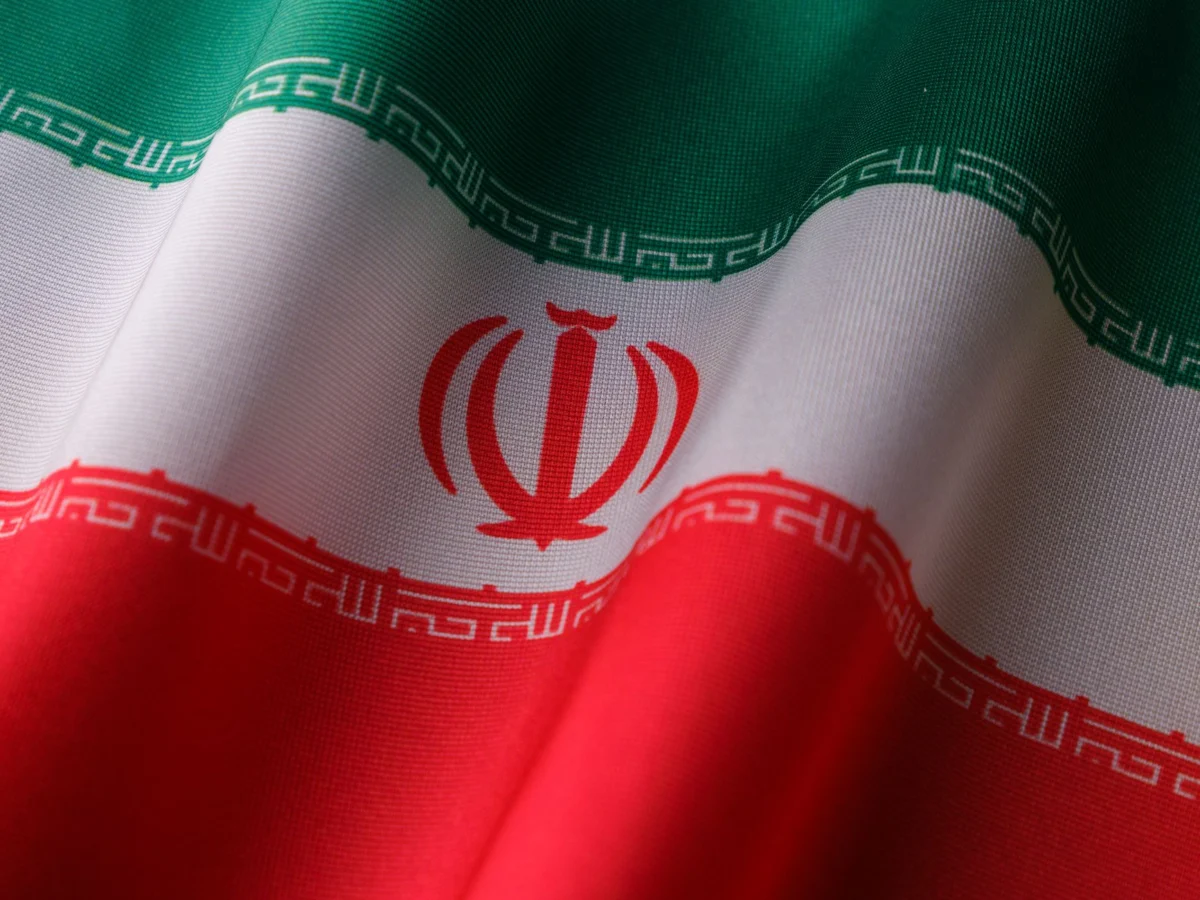
The sound of a crane lifting a massive oil tanker off the water at the Strait of Hormuz was heard for the first time in three years on Tuesday, when the United States and Iran announced a cease‑fire agreement that ends their proxy war and pledges to reopen the strait.
In a joint press conference on the deck of the USS Carney, U.S. Central Command spokesperson said the agreement will halt all naval engagements and allow commercial shipping to resume within 48 hours. Iranian officials echoed the sentiment, stating the deal restores “peace and prosperity for the Persian Gulf region.”
What the deal entails
The pact includes three concrete steps: (1) an immediate cessation of hostile naval actions, (2) the removal of mines and unexploded ordnance in the Hormuz waterways, and (3) a joint monitoring commission headquartered in Bahrain.
Both sides have pledged to keep the commission’s reports public, a move designed to build trust after years of secretive deployments. The United Nations has offered to provide satellite imaging to verify compliance.
Why does this matter?
More than 20 % of global oil passes through the narrow 21‑mile channel. In 2025, congestion and attacks forced tankers to reroute around the Cape of Good Hope, adding 10‑12 days and $3 billion in extra costs to the world economy. Analysts estimate that fully reopening the strait could shave $200 billion off annual freight expenses.
For the average consumer, that means lower gasoline prices on the pump and cheaper airline tickets—benefits that consumers in both the United States and Europe will feel within weeks.
Who benefits and who watches
Major oil exporters, especially Saudi Arabia and Kuwait, will see shipments flow faster, bolstering their revenues. Meanwhile, shipping firms such as Maersk and MSC have already booked additional vessel space, anticipating a surge in demand.
China, which imports roughly 5 million barrels per day through Hormuz, hailed the deal as “a step toward stable energy markets.” The European Union issued a statement calling the agreement “a triumph of diplomacy over conflict.”
Critics, however, warn that the cease‑fire could be fragile. Some Gulf Cooperation Council (GCC) members worry that Iran may use the lull to rebuild its missile arsenal.
What happens next?
The joint commission will meet first on Thursday to inventory war remnants and set a timetable for full commercial traffic. If the 48‑hour window holds, the first convoy of 12 crude carriers is slated to depart by Friday morning.
Watch for updates on the commission’s weekly briefings—any deviation could quickly revive market jitters.
In the meantime, traders are already adjusting futures contracts, and policymakers are bracing for a wave of diplomatic initiatives aimed at consolidating the peace.
Will the U.S. Iran deal prove a lasting detente or a temporary truce? The world will be watching the next ship that sails through the Hormuz corridor.