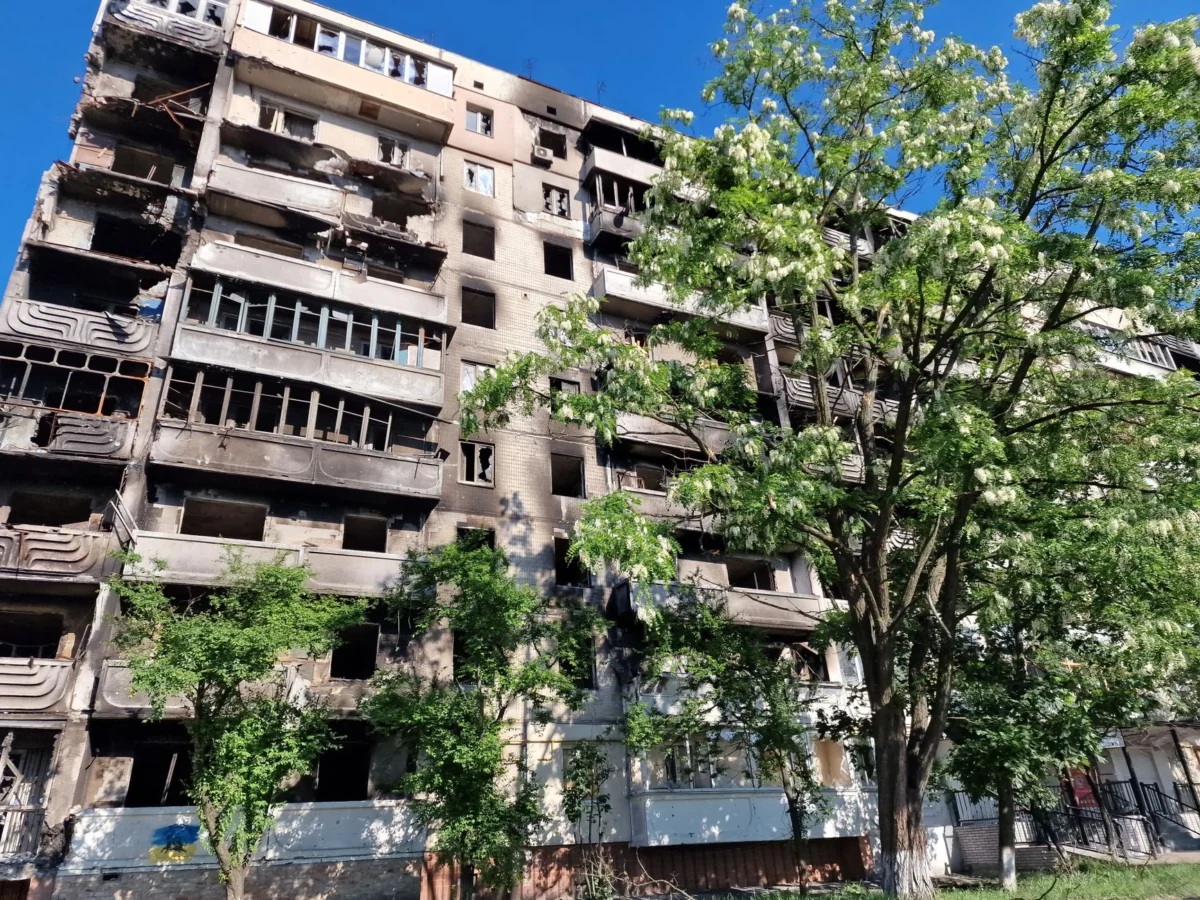
At 02:17 a.m. local time, a high‑pitched whine shattered the quiet of the small town of Belgorod, followed by a flash that ignited a residential block.
Russia’s emergency services later confirmed that three civilians—two women and an elderly man—were killed and several others injured in what Moscow calls a “terrorist” drone attack launched from Ukrainian territory.
The Russian Defence Ministry released footage of the explosion, showing shattered windows and a smoldering apartment roof. No Ukrainian officials have commented, and Kyiv’s military spokesperson has not confirmed or denied involvement.
Who was hit and why it matters
The victims were identified by local authorities as Natalia Ivanova, 42, her sister Elena, 38, both from the same dormitory, and 71‑year‑old pensioner Mikhail Petrov, a retired railway worker. Their deaths mark the deadliest civilian toll from a cross‑border strike since the conflict intensified in early 2024.
For residents, the attack feels personal: “We lived here for thirty years, and now the war is at our doorstep,” said a neighbor who asked to remain anonymous.
Why does this matter?
Each civilian casualty fuels Kremlin rhetoric that frames Ukraine as a terrorist state, providing political cover for harsher reprisals and tighter security measures inside Russia. The incident also tests the fragile cease‑fire talks brokered by Turkey earlier this year; any escalation could derail diplomatic momentum and push energy prices higher across Europe.
Economically, the attack threatens regional supply chains. Belgorod is a key transit hub for grain and industrial goods moving between Russia and the EU. Disruptions could ripple through economy and markets, raising concerns for investors watching the already volatile war‑driven commodity prices.
Internationally, the strike illustrates the growing accessibility of commercial‑off‑the‑shelf drones, which can be modified for weaponised use. NATO’s recent warning about “the democratization of lethal aerial platforms” gains fresh relevance.
What happens next?
Moscow has vowed to “track down every operator” linked to the strike and warned of “retaliatory measures” against Ukrainian infrastructure. The Ukrainian military, meanwhile, has hinted at increased use of loitering munitions in future operations, though it insists any attacks are aimed at legitimate military targets.
Analysts say the next days will reveal whether the Kremlin escalates with artillery barrages, cyber strikes, or diplomatic pressure on Belarus, which hosts many Russian supply lines.
For now, the grieving families of Belgorod join a growing list of civilians caught in the cross‑fire, a stark reminder that the war’s front lines are no longer confined to battlefields.
Stay tuned as we monitor official statements and on‑the‑ground reports for the next moves in this dangerous escalation.