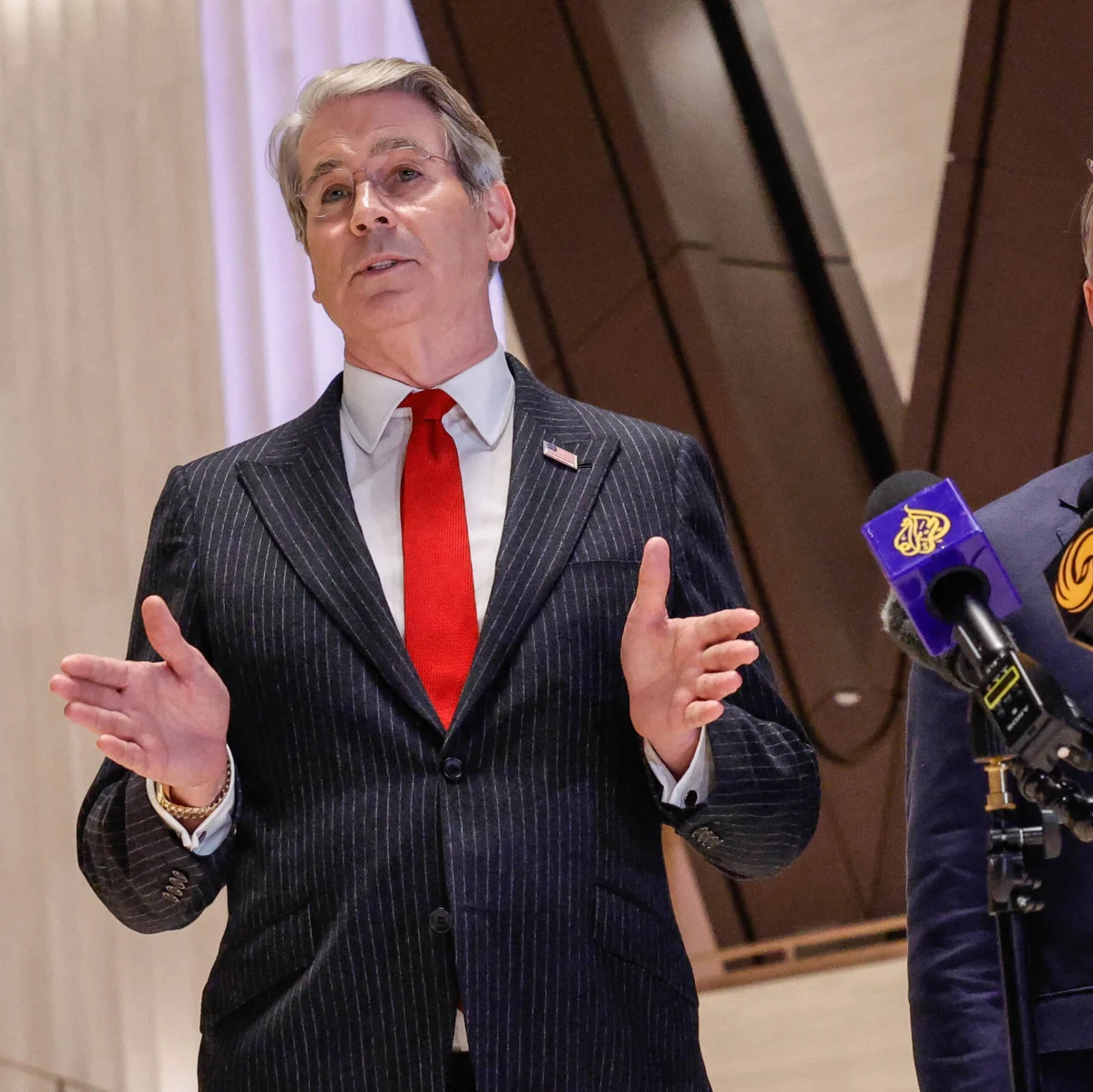
In a meeting on Sunday, the U.S. Treasury secretary and China’s vice premier talked about having a shared vision on the goals of artificial intelligence and the threats it poses.
The discussion focused on developing a potential system to warn of A.I.-related national security issues, marking one of the higher-profile exchanges between the two nations on the topic of artificial intelligence governance.
Such dialogues reflect growing mutual concern over how rapidly advancing A.I. technologies could impact global stability and economic competitiveness.
KEY FACTS
- U.S. and China held talks on A.I. national security issues.
- U.S. Treasury secretary and China’s vice premier attended the meeting.
- Officials discussed a shared vision for A.I. and its threats.
- Talks included ideas for an alert system on A.I. risks.
The Story
What happened in the meeting?
According to reporting from NYT > Top Stories, the meeting took place on Sunday and brought together senior economic officials from both countries. The U.S. Treasury secretary and China’s vice premier led the conversation, focusing on the broader implications of A.I. development.
The core of the discussion centered around aligning on key goals related to A.I. and identifying potential pathways to manage risks. Both sides acknowledged the dual nature of A.I.—as both an opportunity and a threat to national interests.
Importantly, the idea of a joint warning mechanism was floated. This would aim to provide early alerts should any A.I.-driven developments pose unforeseen dangers to either nation’s security infrastructure or economic systems.
How did we get here?
For years, Washington and Beijing have clashed over trade, technology, and security policies. However, in recent months, there has been a shift toward cautious engagement—especially around A.I., which many experts consider a strategic frontier.
These talks likely build on prior diplomatic exchanges and growing international calls for responsible A.I. oversight. As A.I. capabilities expand globally, governments are increasingly worried about misuse, weaponization, and unintended consequences.
While no formal agreement emerged from this particular session, the fact that such high-level officials gathered signals a willingness—if limited—to explore cooperative frameworks around A.I. governance and risk management.
Who is affected by these discussions?
National security agencies, tech companies, and policy makers in both countries stand to be directly impacted if a formal A.I. alert system is eventually adopted. For now, these conversations remain exploratory.
Still, they underscore the urgency with which leaders view A.I. evolution—not just as a tool but also as a potential vector for disruption. Businesses operating in sectors reliant on machine learning or automated decision-making may need to prepare for increased scrutiny.
Meanwhile, ordinary citizens are largely outside the immediate scope, though long-term effects might include stricter regulations or new safeguards governing data usage and algorithmic transparency.
What We Know — and What We Don’t
Verified by the source:
- The meeting occurred on Sunday between the U.S. Treasury secretary and China’s vice premier.
- Discussions covered shared goals regarding artificial intelligence and associated threats.
- An A.I. national security warning system was proposed as part of ongoing negotiations.
Still unconfirmed:
- Details of any concrete proposals or timelines for implementation.
- Specific threats or scenarios that prompted concern during the talks.
- Whether similar discussions have taken place previously or are planned moving forward.
Why It Matters
As artificial intelligence becomes more integrated into military, financial, and critical infrastructure domains, the possibility of coordinated monitoring efforts gains importance. While trust between the U.S. and China remains fragile, even tentative steps toward cooperation carry symbolic weight—and could shape future norms around A.I. governance internationally.
What To Watch
Follow-up meetings or official statements may clarify whether concrete agreements will emerge from these preliminary talks.