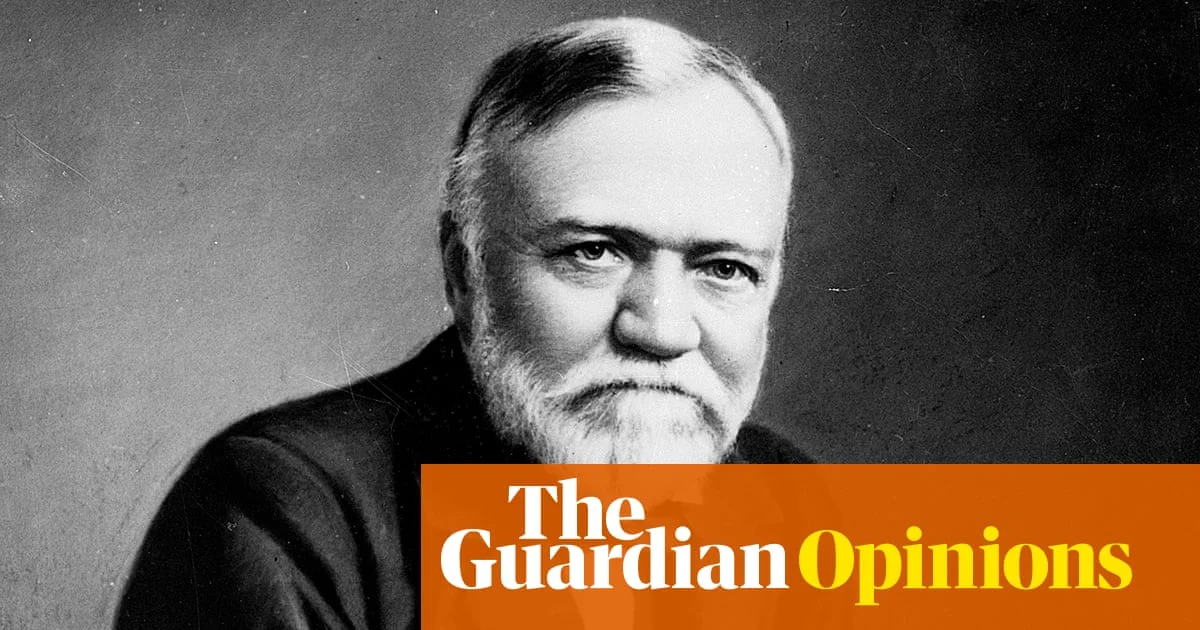
The United States is experiencing a wealth gap far more severe than the Gilded Age, with a small group of ultra-wealthy individuals wielding unprecedented influence over politics and industry.
According to an analysis published by The Guardian, the current concentration of wealth and power surpasses that of the late 19th-century Gilded Age, a period historically associated with extreme inequality. Figures such as Elon Musk, Mark Zuckerberg, and Larry Ellison are said to mirror the dominance once held by industrial magnates like Cornelius Vanderbilt, Andrew Carnegie, and John D. Rockefeller.
Key Facts
- The current wealth gap in the U.S. is wider than during the Gilded Age.
- The richest Americans now hold more political and economic power than in the past.
- Modern tech leaders are compared to Gilded Age industrialists.
How Did We Get Here?
The comparison between today’s economic landscape and the Gilded Age highlights how a small number of individuals can shape both markets and policy. During the Gilded Age, powerful business leaders used their fortunes to influence government decisions, often blurring the lines between private interests and public governance. The Guardian notes that today’s tech moguls operate under a similar dynamic, leveraging vast resources to gain access to Washington and beyond.
This shift reflects broader changes in how wealth translates into influence. The article suggests that the model pioneered by 19th-century industrialists remains relevant, adapted to suit modern technological and corporate structures. The concentration of wealth among a handful of individuals has redefined the relationship between economic success and political access.
What Happens Next?
The article does not predict future developments but underscores the enduring relevance of historical patterns. It raises questions about whether current trends will continue unchecked or prompt renewed calls for regulation. The framing implies that understanding these parallels may inform ongoing debates about inequality and democratic accountability.
Public discourse increasingly focuses on the role of major corporations and their leaders in shaping policy outcomes. Whether this trajectory continues depends on evolving attitudes toward wealth, power, and governance. The comparison to the Gilded Age serves as a cautionary reference point for assessing the health of American democracy.
What We Know — and What We Don’t
Verified by the source:
- The contemporary wealth gap exceeds that of the Gilded Age.
- Today’s wealthiest individuals possess greater political and economic influence than before.
- Contemporary tech figures are likened to historical industrial leaders.
Still unconfirmed:
- Quantitative data supporting claims about wealth distribution.
- Specific policy actions linking current leaders to Gilded Age precedents.
Why It Matters
Understanding the depth of wealth inequality helps contextualize challenges facing democratic institutions and economic opportunity. When power concentrates among a few, it can erode public trust and limit pathways for upward mobility. These concerns resonate beyond academia, influencing voter behavior and policy priorities across the nation.
What To Watch
Future commentary and research may provide additional data or perspectives on the persistence of oligarchic tendencies in modern economies. Observers should monitor whether proposed reforms gain traction in response to growing scrutiny of elite influence.