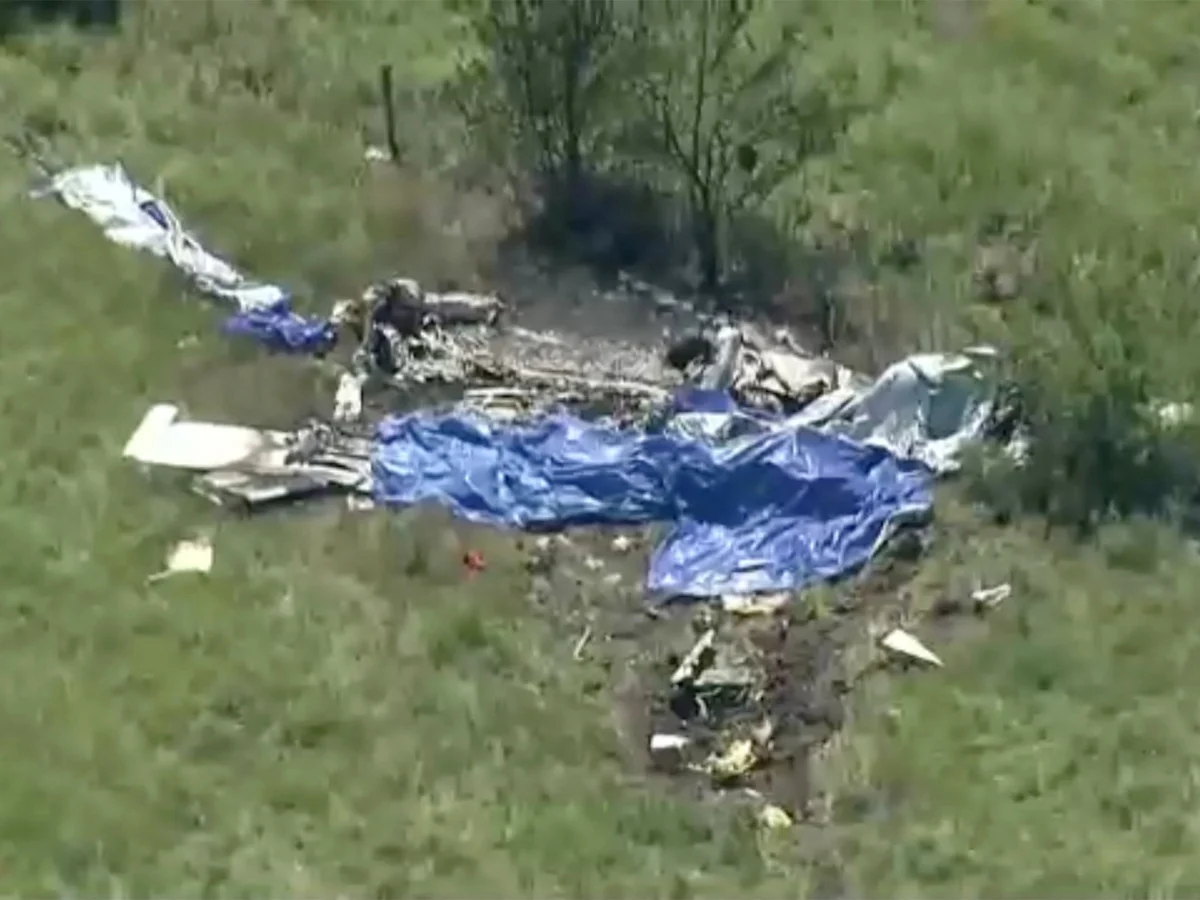
A Cessna 208B Grand Caravan plummeted just miles from Butler Memorial Airport, scattering wreckage across a wheat field and leaving twelve dead, including eleven skydivers and the pilot.
Witnesses on a nearby farm heard a sudden roar at 2:37 p.m. and saw smoke rise from the grass. First‑responders arrived within minutes; the fuselage was torn apart, the rear door ripped away and the wings twisted like a pretzel.
What happened on the flight?
According to the Missouri State Highway Patrol, the aircraft took off from the small private airstrip at 2:15 p.m. bound for a sky‑diving drop zone near St. Joseph. The flight carried a pilot, a jumpmaster and nine tandem‑paired skydivers, plus a photographer documenting the jump.
Within twenty‑two minutes, the plane vanished from radar. A second‑hand radio transmission captured the pilot’s frantic voice: “We’re losing altitude fast—something’s wrong!” The aircraft never recovered.
Why does this matter?
Skydiving is booming in the Midwest, with more than 200 licensed drop zones drawing tourists and thrill‑seekers. A fatal accident of this scale triggers federal scrutiny of aircraft maintenance, pilot certification and the increasingly crowded airspace around small airports. Families, insurers and the burgeoning adventure‑tourism market all feel the ripple.
“This tragedy underscores the need for rigorous safety checks on charter aircraft used for recreational jumps,” said the Missouri State Highway Patrol in its brief statement.
Who is affected?
The victims included three members of a local sky‑diving club, a veteran jumpmaster from Kansas City and the lone photographer, a 28‑year‑old freelance journalist. Their families now face both grief and possible legal battles over liability.
Local businesses that rely on sky‑diving tourism—restaurants, hotels and gear shops—could see a dip in revenue while investigations unfold.
What happens next?
The National Transportation Safety Board has opened a full investigation. Investigators will examine maintenance logs, pilot flight records and the aircraft’s black box, which was recovered intact.
In the meantime, the Federal Aviation Administration has issued a temporary advisory to all sky‑diving operators in Missouri, urging a review of aircraft weight limits and emergency‑procedure drills.
For the broader war‑geopolitics community, the crash highlights how civilian aviation safety can become a national security concern when large‑scale tragedies strain emergency services and attract international attention.
As families mourn and officials sift through wreckage, the sky‑diving world watches for the NTSB’s findings—findings that could reshape how daring sports share the skies.
Stay tuned for updates on the investigation, regulatory response, and the impact on sky‑diving regulations nationwide.