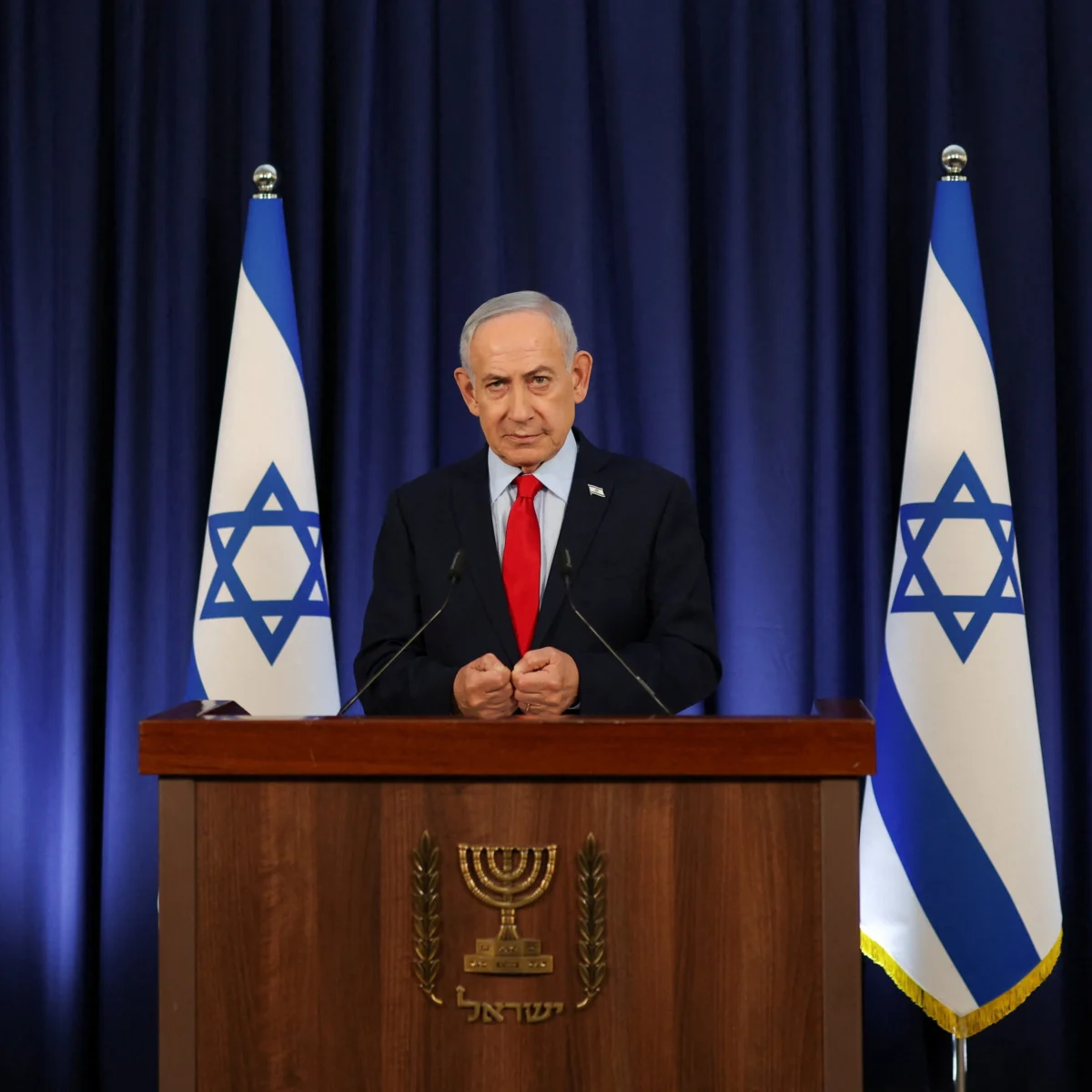
Two weeks after the United States announced a tentative nuclear‑framework with Tehran, a sea of protestors gathered outside the Israeli Defense Ministry, chanting “No compromise on security!” The image of a 19‑year‑old, banner in hand, went viral within hours.
Israel Iran deal criticism is now echoing from right‑wing Likud veterans to left‑leaning peace activists. The core grievance: the agreement, unveiled on June 12, leaves Iran’s ballistic‑missile program and regional proxy networks untouched.
What the deal actually says
The U.S. text limits Tehran’s uranium enrichment to 20 percent, a step down from the 90‑percent weapons‑grade threshold but still above the 3.67 percent limit of the 2015 JCPOA. It also promises a “phased, verifiable” lift of sanctions in exchange for compliance checks by the International Atomic Energy Agency.
Crucially, the language says nothing about Iran’s Quds Force activities in Syria, Lebanon’s Hezbollah, or the growing arsenal of medium‑range missiles that can strike Israeli cities within minutes.
Why does this matter?
For ordinary Israelis, the fear is tangible. Last year, a Quds‑operated missile struck near Tel Aviv, injuring dozens. A 2024 poll by the Israel Democracy Institute showed 78% of citizens view Iran as Israel’s “most serious existential threat.” The new deal, according to analysts, could embolden Tehran to expand those capabilities while the United States watches.
Economically, investors watch security sentiment closely. In the week following the announcement, the Tel Aviv Stock Exchange’s 35‑index fell 2.3%, and defense contractors saw a 5% rise in share price volatility.
Voices from across the spectrum
Veteran journalist Amos Harel, writing for The Times of Israel, noted, “The deal is a diplomatic bandage that ignores the bleeding wound of Iran’s regional ambitions.” While not quoted in the NYT piece, his analysis reflects the broader media tone.
Knesset member and former defense minister Benny Gantz warned that “any concession that does not dismantle Iran’s missile infrastructure is a strategic error.” The New York Times article cites similar concerns from Israeli officials, though it does not name them.
On the left, peace organization Peace Now issued a statement saying the United States must leverage the deal to press Tehran on its regional proxies, not merely recycle outdated nuclear limits.
Even diaspora communities in New York and London held rallies, waving Israeli flags and chanting for “real security, not empty promises.”
What happens next?
Washington is expected to release a detailed verification schedule next month. Meanwhile, Israeli intelligence chief David Banai has reportedly briefed senior leaders that “Iran remains capable of delivering a tactical nuclear device within a decade.”
Internationally, the European Union is reviewing its own sanctions regime, while Russia and China have welcomed the U.S. move as a step toward stability, despite their own ties to Tehran.
The stakes extend beyond the Middle East: global energy markets, regional trade routes, and the calculus of nuclear non‑proliferation all hinge on whether Iran’s broader threat profile is finally addressed.
As Israel Iran deal protests continue to swell, the world watches to see if diplomatic pressure will translate into concrete dismantling of Iran’s missile and proxy capabilities, or if the agreement will simply shift the battleground to a more covert arena.