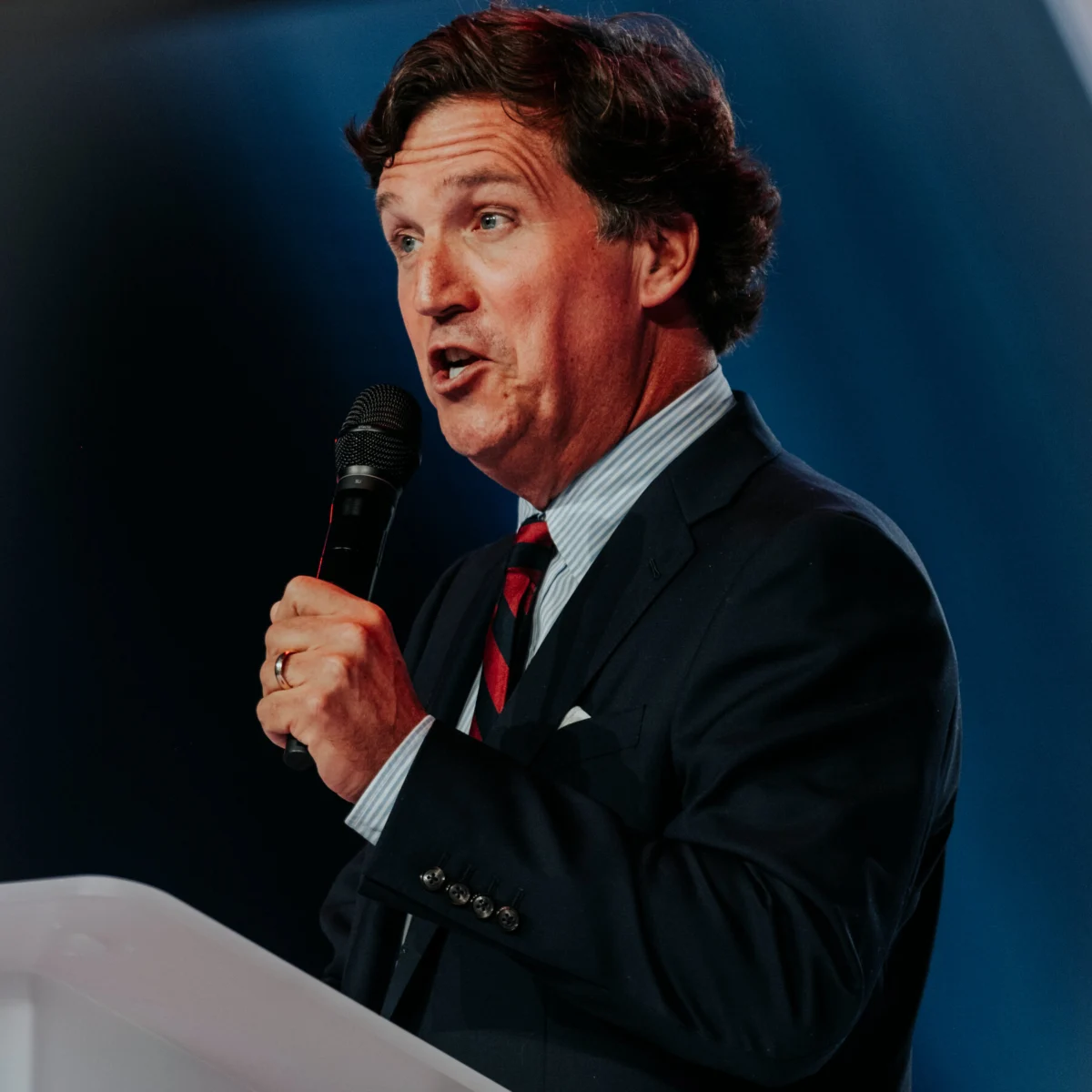
Political strategists are puzzled after far-right podcaster Tucker Carlson endorsed Democrat Abdul El-Sayed and criticized his Republican rival in Michigan. The unusual backing has drawn attention amid a competitive state-level race.
Carlson promoted El-Sayed’s public comments and sharply criticized the Republican candidate facing him, though strategists say the alignment defies typical partisan expectations. The move underscores shifting dynamics in Michigan politics, where cross-party endorsements can reshape voter perceptions.
KEY FACTS
- Tucker Carlson promoted Abdul El-Sayed’s comments.
- Carlson criticized El-Sayed’s Republican rival in Michigan.
- Political strategists are unsure why Carlson backs the Democrat.
- Abdul El-Sayed is running as a Democrat.
- Carlson is described as a far-right podcaster.
What happens next?
The endorsement raises questions about messaging strategy and voter reception. Analysts note that cross-party endorsements often reflect tactical goals rather than ideological alignment. Whether Carlson’s backing influences broader national coverage remains unclear. Still, the attention signals heightened interest in Michigan’s electoral landscape. Observers will watch whether other media figures follow suit.
Who is affected?
Voters in Michigan’s contested district face a race shaped by unexpected national attention. El-Sayed, as the Democratic nominee, gains visibility from a prominent conservative voice. His Republican opponent becomes the target of criticism from a major media figure. This dynamic could shift campaign narratives and fundraising momentum. Local organizers must now respond to new external pressure.
How did we get here?
In recent years, partisan media figures have increasingly intervened in races beyond their usual audiences. Carlson’s history includes promoting candidates who challenge establishment norms. El-Sayed’s campaign platform has focused on healthcare and economic reform. Analysts suggest Carlson may be testing messaging strategies or signaling broader political realignments. The result is a matchup drawing disproportionate national scrutiny.
What We Know — and What We Don’t
Verified by the source:
- Carlson promoted El-Sayed’s comments.
- Carlson criticized El-Sayed’s Republican rival.
- Strategists express confusion over the endorsement.
Still unconfirmed:
- The specific content of El-Sayed’s comments.
- Carlson’s stated reasons for supporting El-Sayed.
- Impact of the endorsement on polling or fundraising.
Why it matters
This endorsement illustrates how national media figures can disrupt traditional partisan alliances and amplify underdog candidates. In an era of fragmented audiences, such interventions may redefine how voters perceive ideological boundaries.
What to watch
Political strategists will monitor voter reactions and whether additional media figures enter the race publicly.