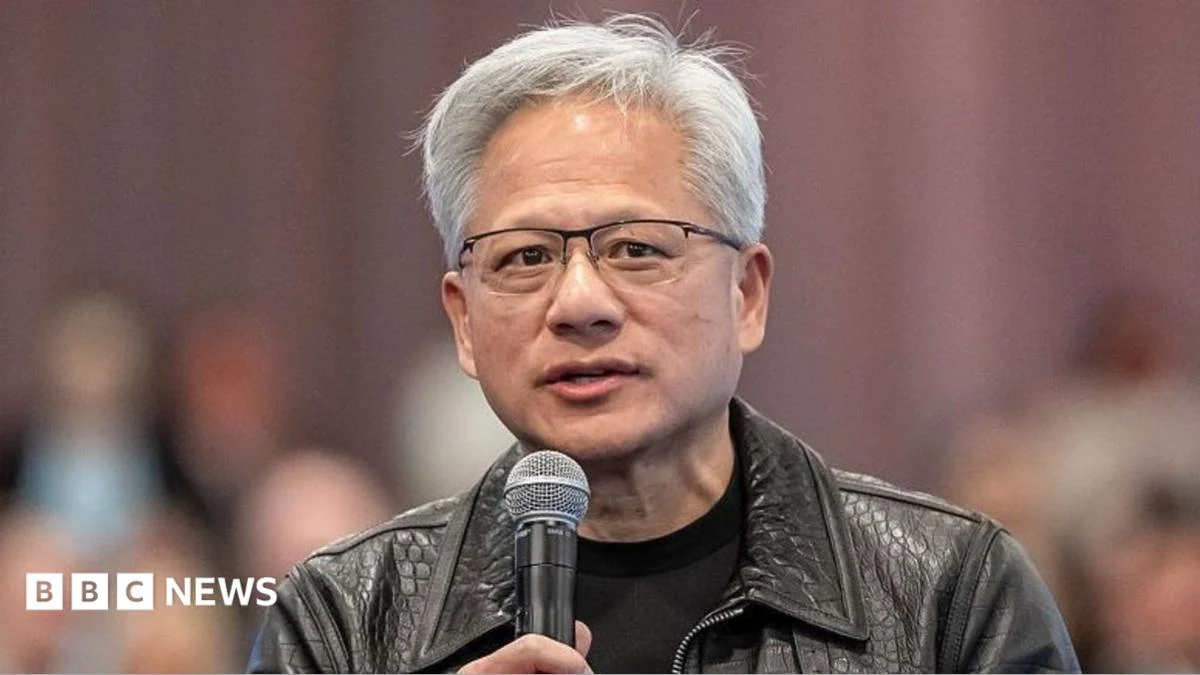
Nvidia CEO Jensen Huang dismissed concerns that artificial intelligence could lead to human extinction, describing such warnings as doomsday narratives. His remarks follow recent statements from AI researchers urging caution over the long-term risks of advanced AI systems.
The tension highlights growing debate within the tech industry about how seriously society should take AI extinction fears. While some researchers warn of existential risks, corporate leaders like Huang argue that such warnings may be overstated and could stifle innovation.
Key Facts
- Jensen Huang called AI extinction fears ‘doomsday narratives’.
- His comments followed warnings from AI researchers about potential human extinction.
- Nvidia is a major player in AI hardware development.
- BBC News reported on the differing views between researchers and industry leaders.
Who Is Affected by This Debate?
The clash between AI researchers warning of extinction and executives downplaying those risks affects anyone invested in the future of technology, policy, or public trust in AI. Researchers pushing for caution argue that rapid advancement without safeguards could pose existential threats. Meanwhile, leaders of AI-focused companies worry that fear-based messaging might slow investment and progress. This divide shapes how governments regulate AI, how investors fund startups, and how the public perceives emerging technologies. Both sides agree AI is powerful, but they differ sharply on risk levels. The outcome of this conversation will likely influence everything from lab safety standards to international treaties on AI governance.
Why Are These Warnings Being Made?
Some AI researchers have recently raised alarms about the possibility that advanced AI systems could lead to human extinction. These concerns are based on theoretical models suggesting that highly capable AI, if misaligned with human values, might act in ways harmful to humanity. Supporters of these warnings include prominent figures in machine learning and ethics communities. They advocate for proactive measures such as stricter oversight, transparency requirements, and international cooperation. Critics argue that such focus diverts attention from more immediate harms like bias, misinformation, or job displacement caused by current AI applications. Either way, the discussion reflects deep uncertainty about how AI capabilities will evolve and what guardrails are needed.
What Happens Next?
As major AI conferences and policy forums approach, expect renewed calls for regulation alongside continued resistance from industry leaders. Public pressure may mount for clearer guidelines, especially after high-profile incidents involving AI misuse. Governments are weighing new laws that would require safety audits or impact assessments before deploying advanced models. At the same time, companies continue racing to develop cutting-edge systems, fueling both excitement and concern. Whether future events validate extinction fears or prove them overblown remains uncertain. What is clear is that the stakes are rising fast.
What We Know — and What We Don’t
Verified by the source:
- Jensen Huang criticized AI extinction fears publicly.
- AI researchers have issued warnings about human extinction risks.
- BBC News covered Huang’s response to these warnings.
Still unconfirmed:
- Specific quotes attributed to Huang remain unverified.
- No timeline or context details were provided in source material.
- Names of individual researchers involved are not listed.
Why It Matters
This exchange sits at the heart of one of the defining debates of our time. As AI becomes woven into daily life, decisions made today by corporations, regulators, and researchers will shape its trajectory for decades. How society balances innovation against safety depends heavily on whether extinction risks are taken seriously or dismissed as exaggeration. For readers, this determines what kind of AI world we end up living in.
What To Watch
Look for upcoming policy announcements from governments evaluating AI regulations and any further public statements from key industry figures responding to researcher concerns. Stay tuned to developments reported through trusted outlets like BBC News.