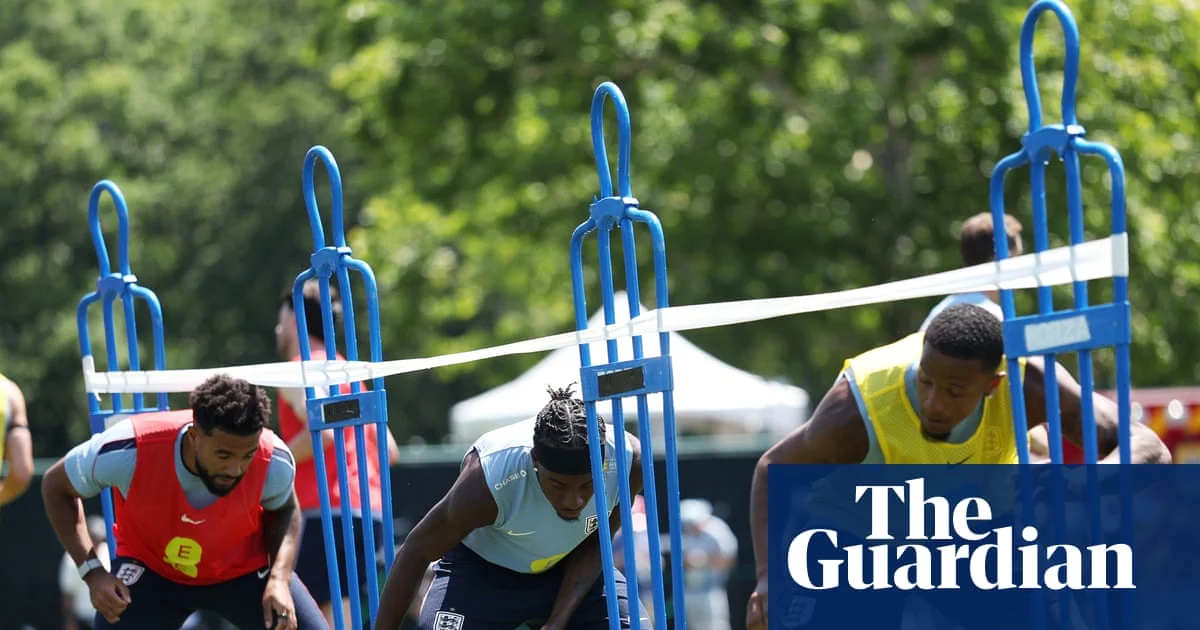
Thomas Tuchel stood in the sweltering Missouri sun, hood pulled low, his voice snapping like a metronome as he shouted drills to a circle of England’s brightest youngsters.
In a 15‑minute window that journalists rarely get, the England training base in Kansas City turned into a classroom of intensity, with no room for players to hide.
What happened on the pitch?
Tuchel arranged four zones of mannequins, each mimicking a different defensive shape. Elliot Anderson, Jude Bellingham, Anthony Gordon, Marcus Rashford, Djed Spence and Ollie Watkins sprinted, turned, and pressed in rapid succession. The former Bayern Munich coach watched from a distance before stepping in, correcting a foot placement on the right side, then demanding a faster pivot on the left.
“He was like a drill sergeant and a chess master at the same time,” a journalist on the ground noted, describing the blend of physical demand and tactical nuance.
Why does this matter?
Open‑training sessions at major tournaments usually amount to a light jog and a quick rondo. This glimpse broke the mold, showing that England’s preparation will be relentless. For fans, it signals that every minute on the pitch will be fought for—no more “coasting” when the ball is in the opponent’s half.
The heightened intensity also explains why England’s back‑line, already praised for its organization, might look even tighter against Ghana’s dynamic forwards. If Tuchel can embed these patterns now, the players will have muscle memory when the whistle blows in the knockout stage.
Beyond the tactics, the session hints at a cultural shift. Tuchel’s hands‑on approach, rare for a national team coach who often delegates to assistants, suggests a hands‑on, data‑driven program that could raise England’s standards for future tournaments.
Who was on the field?
The lineup was a mix of experience and youth. Bellingham, at 23, led the midfield with his trademark stamina, while Rashford added a burst of pace on the flanks. Watkins, the tournament’s surprise top‑scorer, ran routes designed to exploit gaps left by Ghana’s high‑press.
Anderson and Gordon, both 20‑year‑olds, showed they can hold their own under pressure, a promising sign for depth.
For the casual fan, the takeaway is simple: England’s World Cup journey will be a test of endurance as much as skill. The “no‑hide” philosophy could be the edge that turns a tight quarter‑final into a memorable victory.
What happens next? Tuchel’s next drill will likely focus on set‑piece organization, a known weakness for England in previous tournaments. Keep an eye on the next open session – it may reveal the final piece of the puzzle before the group‑stage finale.
Stay tuned as England’s camp continues to peel back the curtains, and watch how this relentless preparation translates into on‑field drama.