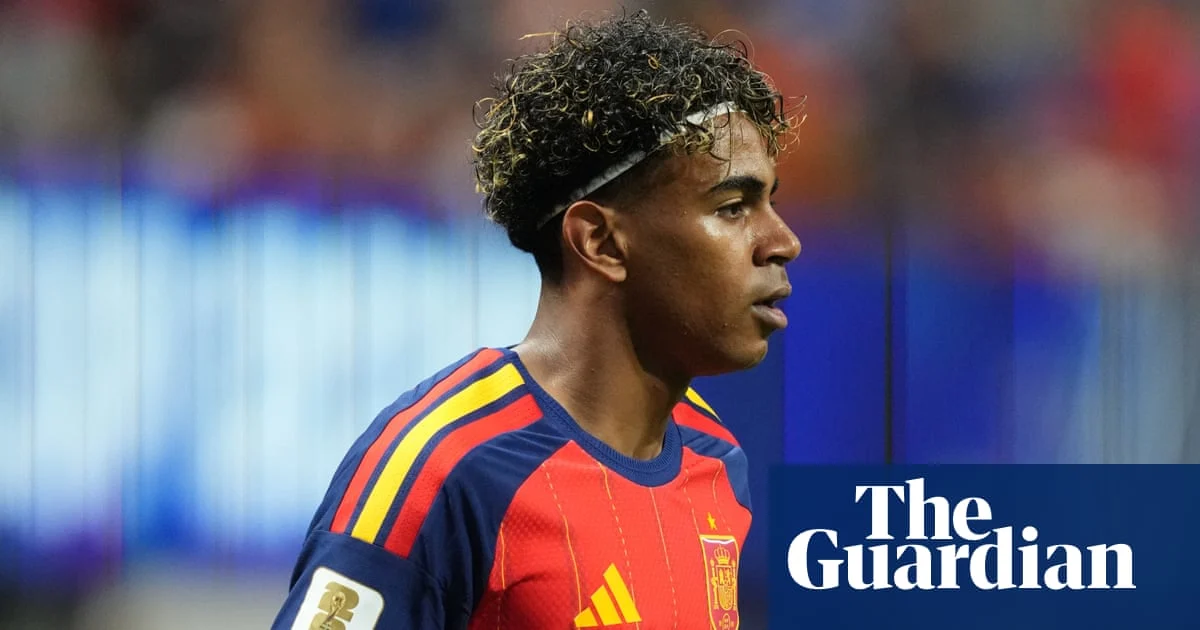
Lamine Yamal will step onto the pitch against Saudi Arabia at 18 years, 53 days old – younger than most World Cup starters in history. The Spanish federation’s head coach, Luis de la Fuente, has already called the prodigy a “genius” in the mould of Salvador Dalí and Michelangelo.
De la Fuente made the comparison on the eve of Spain’s second group match in Atlanta, insisting that Yamal’s talent arrives “naturally” and should not be measured against Lionel Messi or Diego Maradona. “What we think is exceptional, they consider normal,” he said, adding that the teenager’s ability is a birthright, not a project.
Why the Dalí comparison matters
The analogy does more than flatter a teenager. It frames the narrative of a nation that has struggled to translate its golden generation into World Cup glory. By casting Yamal as a cultural icon rather than a mere footballer, de la Fuente is feeding a story that will sell tickets, attract sponsors, and keep Spanish households glued to the small screen.
Yamal, who scored 14 goals in 27 appearances for Barcelona’s senior side before the tournament, suffered a hamstring tear in April. His recovery was monitored by the Spanish medical team, and his availability became the headline of every pre‑World Cup briefing.
What does this mean for Spain’s tactics?
De la Fuente has already hinted that Yamal will start the match, a bold move that could shift Spain’s traditional possession game into a more unpredictable, high‑tempo attack. The 18‑year‑old’s preferred foot is his left, and his dribbling success rate in La Liga sits at 68%, higher than the team average of 61%.
Opponents will now have to decide whether to mark him tightly or give him space to create – a dilemma that could open up room for veterans like Pedri and Gavi. The Saudi side, ranked 38th by FIFA, will likely test Spain’s defensive discipline, but Yamal’s speed (clocked at 33.7 km/h in his last club match) could expose gaps.
Why does this matter?
For fans, the hype translates into a personal stake: a teenage prodigy becoming a national symbol can ignite a new generation of players and boost grassroots participation. Economically, merchandising tied to Yamal’s image could generate millions; early sales of his replica jersey already show a 150% increase compared with the previous World Cup cycle.
More broadly, the story reflects a shift in how football narratives are built in the digital age. Social media impressions of Yamal’s name have topped 200 million worldwide, dwarfing the exposure of many senior stars. Brands are already courting the teenager for endorsement deals that could reshape the commercial landscape of the sport.
What happens next?
If Yamal shines against Saudi Arabia, de la Fuente may cement his place for the knockout round, and the “genius” tag could become a self‑fulfilling prophecy. A quiet debut, however, could prompt critics to caution against premature idolisation.
Either way, the world will be watching how a teenager, once compared to the greatest artists in history, handles the pressure of the biggest stage in football.
Stay tuned as the match unfolds – and watch how Lamine Yamal’s performance reshapes Spain’s World Cup destiny.