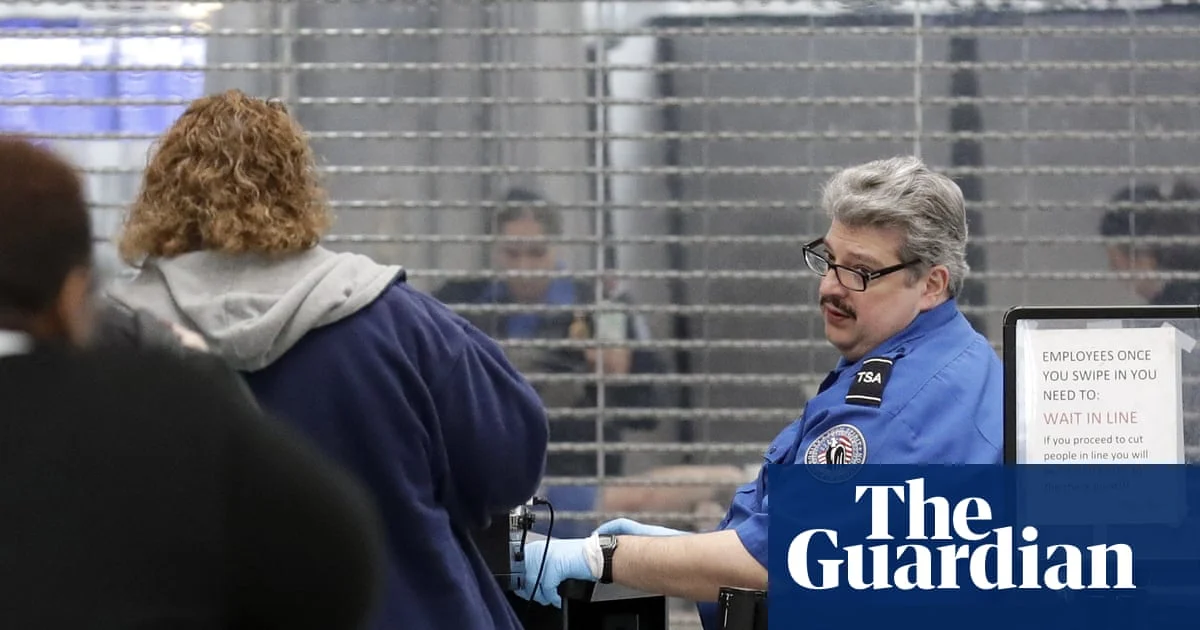
The Transportation Security Administration (TSA) announced it will prohibit airport security officers from sitting down while checking travelers’ IDs and boarding passes. This rule change aims to address concerns about officer alertness during the screening process.
The policy shift focuses on the staff members who verify identification documents and boarding passes before travelers proceed through airport security checkpoints. According to the agency, keeping officers standing is intended to maintain higher levels of attentiveness during ID verification duties.
Key Facts
- TSA to prohibit airport security officers from sitting while checking travelers’ IDs.
- Rule change is meant to keep officers ‘alert’.
- Union says it ignores safety and ‘common decency’.
- Affects officers who verify boarding passes and IDs ahead of security checkpoints.
- TSA confirmed the policy change recently.
What Just Changed?
Under the new policy, transportation security officers assigned to verify traveler identification and boarding passes at airport checkpoints must remain standing throughout their shifts. Previously, these officers could sit while reviewing documents presented by passengers approaching security lines. The change applies specifically to personnel conducting ID checks rather than those managing body scanner or metal detector stations.
The TSA stated the goal is improving vigilance during document verification, which plays a critical role in preventing unauthorized individuals from reaching secure areas of airports. Officers who regularly examine IDs and boarding passes are often stationed for extended periods, making physical fatigue a potential factor affecting concentration and accuracy.
Who Is Affected?
The new standing requirement impacts TSA employees responsible for initial traveler authentication at airport checkpoints nationwide. These officers typically work assigned positions where they review government-issued photo identification alongside boarding documentation before allowing passage into secured zones of terminals.
A labor representative expressed concerns that forcing constant standing may compromise workplace safety standards and violate basic human dignity principles. Union feedback suggests potential conflicts between operational efficiency goals and employee wellbeing considerations. The disagreement highlights ongoing tensions between security protocols and working conditions within federal aviation workforce environments.
What We Know — and What We Don’t
Verified by the source:
- TSA confirmed upcoming prohibition on sitting for officers performing ID verifications.
- Officials cited alertness as primary justification for policy update.
- Labor union criticized approach citing safety and decency concerns.
Still unconfirmed:
- Effective date for implementation across all U.S. airports.
- Whether exceptions exist for disabilities or medical restrictions.
- Specific number of affected personnel or union involvement details.
Why It Matters
Changes to frontline screening practices influence both public travel experiences and internal agency operations. Policies governing checkpoint behavior reflect broader efforts balancing security effectiveness against staff welfare and passenger convenience. This development occurs amid evolving discussions around workforce protections and service delivery models affecting millions of annual airline travelers.
What To Watch
Further guidance regarding rollout timing and accommodation procedures remains pending. Stakeholders await clarification from TSA leadership and collective bargaining responses from employee representatives.
Explore related geopolitical developments | View political affairs coverage