Greece officially returned a collection of cultural artifacts and human remains to Bulgaria in a formal ceremony, an act its government hopes will encourage Britain to reconsider the return of the Parthenon marbles.
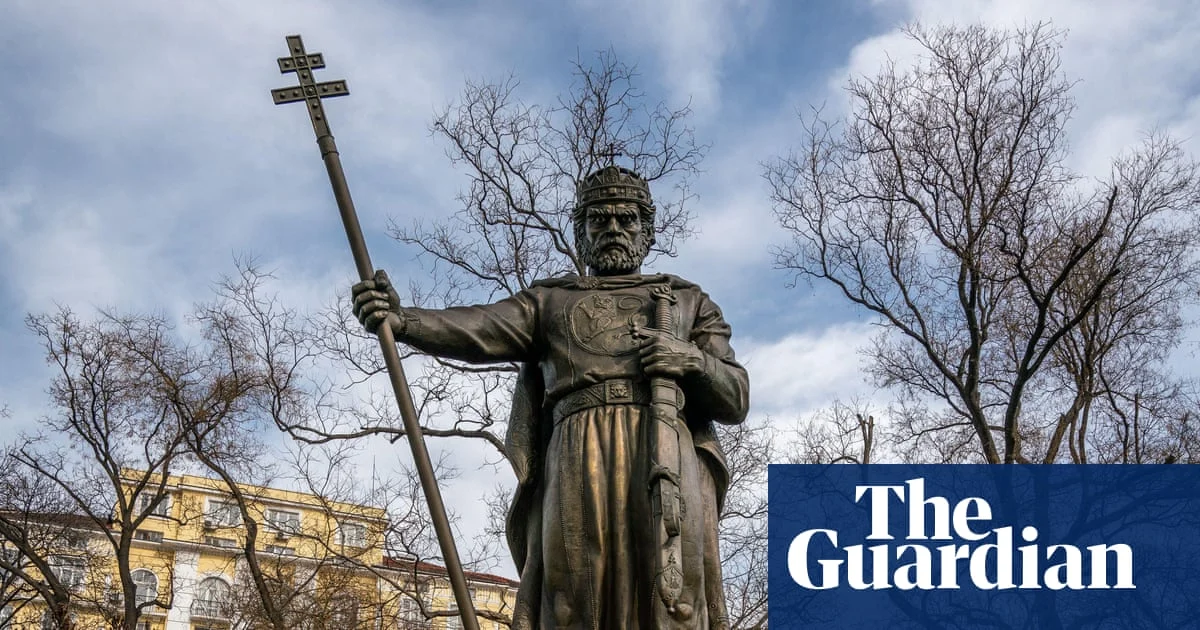
The handover took place during a diplomatic event described as being marked by considerable significance, involving items taken from Greece during the first world war, alongside bones believed to belong to Tsar Samuel, a medieval Bulgarian ruler. Greek officials framed the exchange as a gesture rooted in historical justice.
The event may signal renewed momentum in ongoing debates about culturally sensitive repatriation.
Key Facts
- Greece returned relics and remains to Bulgaria, including items removed during World War I.
- Among the items handed over were remains believed to be those of Tsar Samuel, a revered medieval Bulgarian ruler.
- The ceremony was described as being replete with fanfare usually reserved for great events.
- Greece suggested the UK should consider returning the Parthenon marbles following the handover.
- The exchange was the result of cultural negotiations spanning decades.
The Story
What was returned?
The items handed over by Greece included a range of religious objects and human remains that had been housed in Greek institutions for over a century. These artifacts were originally removed from Bulgarian territory during the first world war, a period marked by shifting national boundaries and conflict across the Balkans. Their return represents the culmination of long-running negotiations between Athens and Sofia aimed at restoring cultural patrimony.
In a ceremony attended by dignitaries, the relics were formally transferred back to Bulgarian custody, symbolizing efforts to mend historical grievances through cultural diplomacy. The bones presumed to belong to Tsar Samuel, who ruled in the 11th century, were among the most symbolically significant elements of the exchange.
War and geopolitics often shape such restitution efforts, as nations seek to assert cultural sovereignty through the recovery of heritage lost during periods of conflict.
Why does the Parthenon marbles issue matter now?
The return of Bulgarian relics came with explicit messaging from Greek leadership suggesting that Britain should reassess its stance on the Parthenon marbles. These sculptures, originally part of the Acropolis of Athens, have been housed in the British Museum since the early 19th century after being acquired by Lord Elgin. Their presence abroad has long sparked calls for repatriation, particularly from Greece, which insists they form an integral part of its national heritage.
By linking the Bulgarian handover to the broader conversation around cultural restitution, Greek officials invoked themes of truth, reason, justice, and morality. This framing positions the Parthenon marbles case within a wider movement toward decolonizing museum collections globally.
The economic and political dimensions of cultural heritage continue to fuel international tensions and diplomatic dialogues, especially as public institutions face growing pressure to address historical inequities.
How did the negotiations unfold?
Talks leading to the recent handover are said to have unfolded over decades, reflecting the complexity of cross-border cultural agreements. While specific mechanisms remain largely undisclosed, the longevity of discussions underscores the sensitivity involved in repatriating contested materials.
At the heart of these negotiations lies the challenge of balancing legal frameworks with moral imperatives. Many artifacts lack clear ownership documentation due to wartime disruptions, complicating modern claims.
Nevertheless, the successful completion of this exchange sets a precedent for future cases where cultural artifacts reside outside their countries of origin.
What We Know — and What We Don’t
Verified by the source:
- Greece returned a treasury of relics and bones to Bulgaria.
- The items included remains believed to belong to Tsar Samuel.
- The ceremony featured symbolic fanfare typically associated with major events.
- Greece used the moment to call for the return of the Parthenon marbles.
- Decades-long negotiations led to the final agreement between the two nations.
Still unconfirmed:
- The exact number and nature of all returned artifacts.
- Specific details regarding the remains attributed to Tsar Samuel.
- Official responses from the UK or the British Museum on the Parthenon marbles suggestion.
- Names of individuals involved in facilitating the diplomatic process.
Why It Matters
This cultural exchange reflects a growing global trend toward acknowledging historical injustices and restoring displaced heritage to its rightful custodians. As more countries demand the return of artifacts taken during colonial eras, museums and governments must navigate evolving ethical landscapes. For Greece, leveraging the Bulgarian handover to press the UK on the Parthenon marbles illustrates how bilateral gestures can escalate into multilateral conversations about ownership and justice. Such actions highlight the role of soft power in shaping diplomatic relations, especially when heritage becomes a proxy for national pride and identity. The broader implications touch upon international law, cultural sovereignty, and the responsibilities of major institutions to address past wrongs.
What To Watch
Observers will be watching whether Greece’s appeal prompts renewed dialogue between Athens and London over the Parthenon marbles, and if other European nations follow suit with similar restitution measures.
A single-source report; not independently verified.