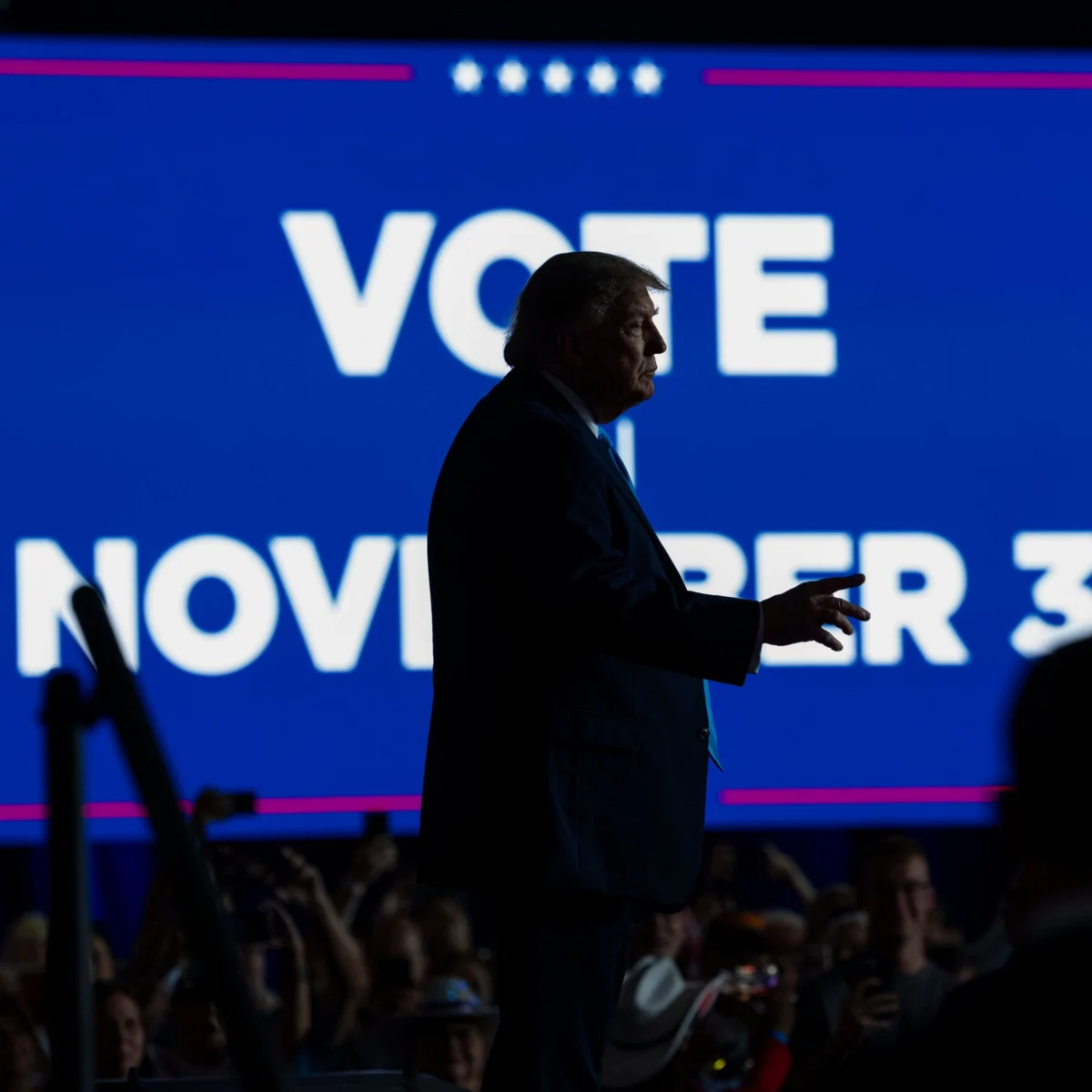
Trump’s voting claims have drawn warnings from election officials who fear the administration may use those assertions to contest the November midterm results, even though the claims remain unsubstantiated.
The concern centers on how unverified allegations about voting processes could be deployed after Election Day. Officials worry that baseless arguments might be used to legally or politically challenge vote counts in key races, potentially sowing doubt about outcomes before they are certified.
KEY FACTS
- Election officials express worry over potential challenges to midterm vote counts.
- Concerns stem from the administration’s voting-related statements.
- Officials say those claims lack credible supporting evidence.
- Worries focus specifically on November midterm election results.
Who Is Affected?
Election administrators and local officials across multiple states could find themselves at the center of disputes if voting claims are elevated into formal challenges. These officials are responsible for certifying results and maintaining public confidence in the process. Their role becomes especially critical when allegations circulate without corroborating evidence, since they must defend the integrity of elections while managing public skepticism.
Beyond administrators, voters may be directly impacted. If challenges arise from unsubstantiated claims, confusion and mistrust can spread, regardless of whether legal action succeeds. This dynamic affects how citizens perceive the legitimacy of their own votes and the broader democratic process.
The situation also has implications for candidates and parties participating in the midterms. Any post-election contestation tied to unverified assertions could delay final result declarations and intensify political tensions during a period when results are expected to shape legislative priorities.
What Happens Next?
Details about specific plans or next steps remain unclear. Election officials have not publicly outlined contingency measures, and no formal legal filings or actions tied to the voting claims have been reported. The lack of confirmed coordination suggests that current concerns reflect general unease rather than concrete preparations.
That uncertainty leaves room for interpretation. Without additional statements from involved parties, analysts and observers are left to assess risks based on past precedents rather than present evidence. Monitoring future communications will be essential to understanding whether these initial concerns evolve into organized efforts.
The timeline for November midterms remains unchanged. Officials emphasize that their focus is currently on conducting a smooth election, while acknowledging that post-election challenges, if raised, would need to follow established legal procedures.
What We Know — and What We Don’t
Verified by the source:
- Election officials have expressed concern about potential post-election challenges.
- Those concerns relate to voting-related statements made by the administration.
- Officials describe those statements as unsubstantiated.
- The November midterm elections are the stated focus of concern.
Still unconfirmed:
- No specific legal or political challenge plans have been publicly confirmed.
- Names of officials raising concerns are not provided.
- Exact voting claims prompting the concern are not detailed.
Why It Matters
Trust in electoral outcomes plays a central role in democratic stability. When unsubstantiated claims circulate so close to a major election, they can undermine public confidence even before any contestation occurs, affecting how citizens view the legitimacy of their institutions.
What To Watch
Observers should monitor whether any formal challenges emerge after the midterms and whether officials provide further detail about their concerns.