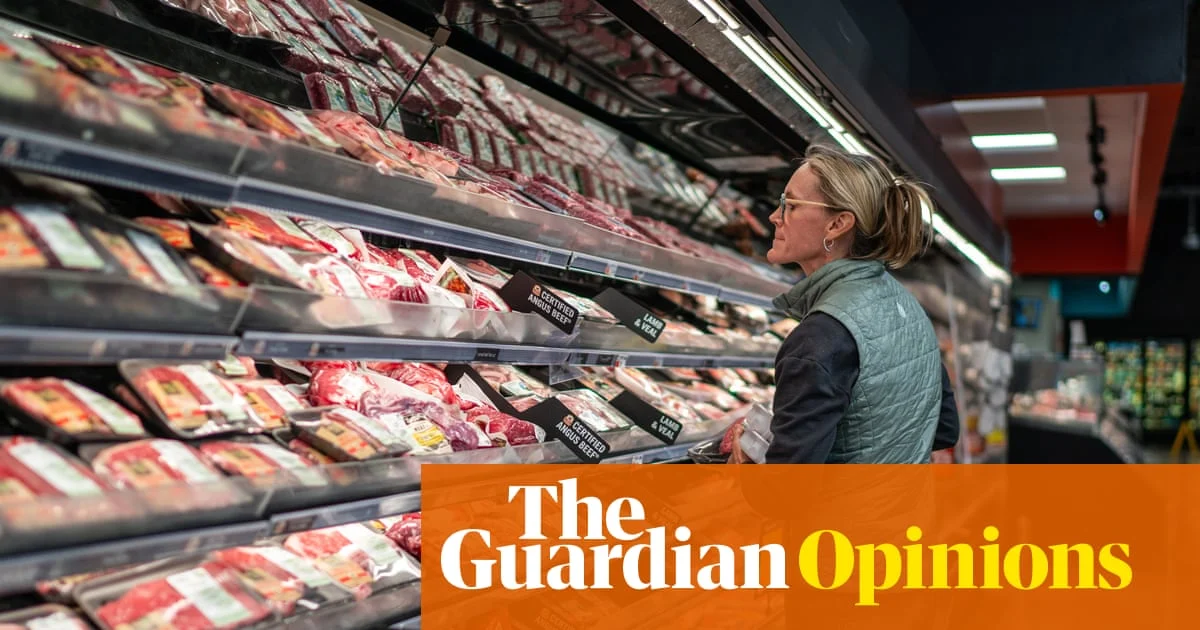
Donald Trump returned to the White House promising to reduce prices on day one, but his policy choices have largely fueled inflation rather than curbed it. Notably, his tariff wars and escalation in the Middle East have contributed to rising costs for consumers across the United States.
Despite widespread economic warnings, Trump has continued to implement tariffs on imported goods, framing them as tools to protect American jobs. However, economists caution that such tariffs function as taxes on imports, directly increasing retail prices. A recent Fox News poll revealed that 77% of Americans disapprove of how Trump has handled tariffs, signaling growing dissatisfaction with his economic approach.
KEY FACTS:
- Trump campaigned on reducing prices on day one but Inflation has risen.
- Economists warned tariffs are inflationary, yet Trump embraced them.
- Tariffs targeted goods like steel, beef, bananas, and auto parts.
- Supreme Court struck down tariffs; Trump imposed 10% across-the-board tariffs.
- Fox News poll shows 77% disapprove of Trump’s tariff handling.
How Did We Get Here?
Trump’s return to the White House came with bold vows to tackle inflation, but his administration quickly pivoted toward protectionist trade policies. Early in his second term, he introduced what he called “liberation day” tariffs targeting hundreds of imports, including citrus fruits, steel, and beef. These moves were justified as efforts to shield domestic industries, yet economists warned that tariffs inherently raise prices by acting as taxes on foreign goods.
When the Supreme Court ruled the original tariffs unlawful, Trump swiftly replaced them with a blanket 10% tariff on all imports. Lower courts have since questioned the legality of these new tariffs as well. Each round of protectionism has added pressure to already strained consumer budgets, eroding trust among voters who once backed Trump expecting relief at the checkout counter.
Who Is Affected?
Americans across income levels feel the pinch from elevated prices on everyday goods, from groceries to gasoline. Low-income households bear a disproportionate burden since they spend a larger share of their earnings on basic necessities. Additionally, small businesses reliant on imported materials report rising costs that ripple through local economies.
Voters who supported Trump hoping for affordability are now expressing frustration. More than one-in-five former Trump voters disapprove of his performance, suggesting that economic realities may outweigh campaign promises in shaping electoral sentiment. Meanwhile, policymakers remain divided over whether further interventions will stabilize prices or deepen inflationary trends.
What Happens Next?
Legal challenges continue to mount against Trump’s tariff regime, with courts reviewing the constitutionality of broad executive authority in trade matters. Congressional Republicans face pressure to intervene or clarify oversight mechanisms as inflation remains elevated. Internationally, trading partners are weighing retaliatory measures, complicating diplomatic relations amid economic tensions.
Public opinion appears to be shifting. As polls reflects discontent, Trump may confront political headwinds if inflation fails to ease before upcoming elections. Stakeholders across sectors await clarity on future trade directions, knowing that each policy choice carries tangible effects on prices and purchasing power.
What We Know — and What We Don’t:
Verified by the source:
- Trump promised to reduce prices on day one of his second term.
- His war on Iran and tariff campaigns increased inflation.
- 77% of Americans disapprove of Trump’s tariff policies.
- Lower courts found Trump’s new 10% tariffs unlawful.
- Economists warned that tariffs are inflationary.
Still unconfirmed:
- Exact timeline of Supreme Court rulings on tariffs.
- Names of specific officials or spokespeople involved.
- Detailed breakdown of price increases per category.
Why It Matters
Inflation affects every household budget, influencing food security, housing stability, and overall economic confidence. When leaders prioritize symbolic gestures over measurable outcomes, citizens pay the cost. Understanding how Trump’s choices echo through daily life helps voters assess accountability and demand transparent governance. Explore more on [economy-markets](/category/economy-markets) and [war-geopolitics](/category/war-geopolitics).
What To Watch
Future court rulings could reshape Trump’s ability to impose unilateral tariffs, potentially reshaping U.S. trade strategy moving forward.