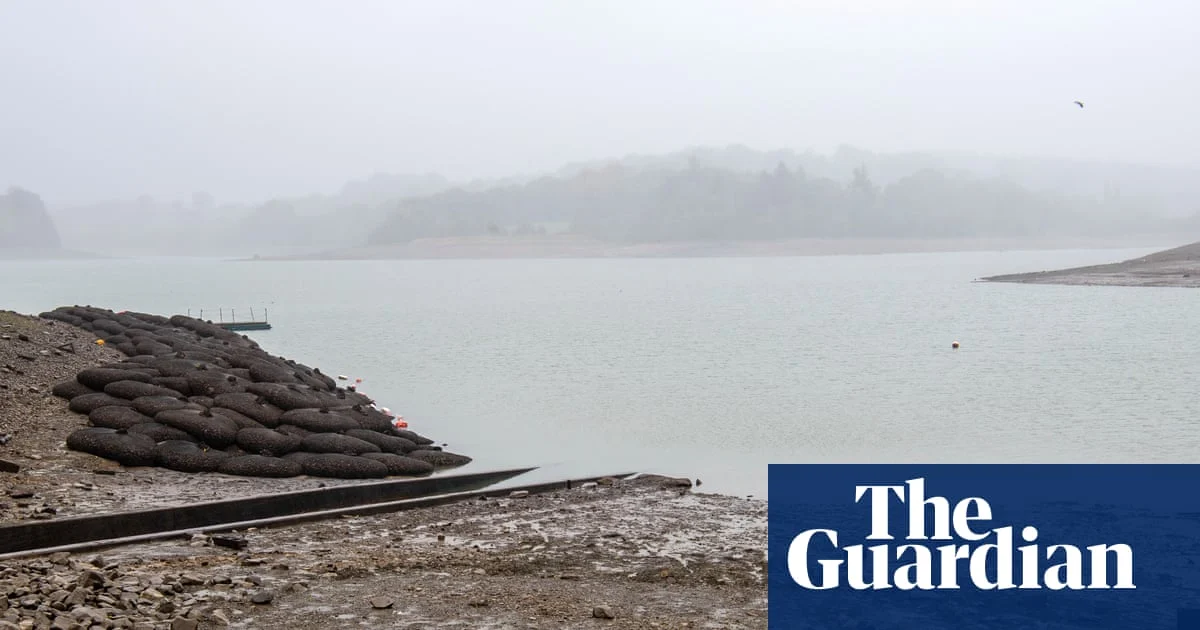
One of England’s most depleted reservoirs is approaching critically low levels, prompting concern among residents and water authorities. The Ardingly Reservoir, managed by South East Water and used by roughly 95,000 properties, was reported at 19% capacity following the UK’s hottest summer on record.
Residents in nearby Haywards Heath say they have never seen the water level drop so low, with one lifelong resident describing the visible decline. The situation is compounded by the next-closest reservoir being unusable due to broken treatment works.
Key Facts
- Ardingly Reservoir is only 19% full.
- It supplies water to about 95,000 properties.
- The UK recently experienced its hottest summer on record.
- The nearest alternative reservoir is unavailable due to broken infrastructure.
- South East Water manages the reservoir near Haywards Heath.
The Story
What Happens Next for Local Water Supply?
The declining water levels at Ardingly Reservoir have left local communities on edge, particularly as the next closest source remains offline. With the reservoir serving tens of thousands of homes, continued dry conditions could strain regional water availability. South East Water has not yet issued detailed public commentary on contingency measures, though such situations typically involve reviewing usage restrictions and exploring alternative supply routes.
Drought conditions linked to record-breaking summer temperatures have worsened the outlook. Environmental experts often warn that prolonged heatwaves reduce recharge rates in reservoirs, especially when combined with aging infrastructure issues like those affecting nearby treatment facilities.
Who Is Affected by the Water Shortage Risk?
Approximately 95,000 properties in and around Haywards Heath and Uckfield rely directly on the Ardingly Reservoir system. Should levels continue falling, households and businesses may face tightening regulations or voluntary conservation requests. Public health officials usually monitor such risks closely, particularly during extended periods without rainfall.
Climate analysts emphasize that extreme weather patterns are increasing pressure on aging water networks across southern England. These developments underscore broader vulnerabilities in regional utility planning amid shifting climate trends.
What We Know — and What We Don’t
Verified by the source:
- The reservoir is 19% full.
- It serves around 95,000 properties.
- The UK had its hottest summer on record.
- The next-closest reservoir is offline due to broken treatment works.
- South East Water manages the reservoir.
Still unconfirmed:
- Exact timelines for repair of the offline treatment plant.
- Potential emergency response plans from South East Water.
- Precise definition of “critically low” used by regulators.
- Whether mandatory water restrictions will be introduced.
Why It Matters
Water scarcity driven by climate extremes poses growing threats to daily life and economic stability. As reservoirs dwindle, communities must adapt through cautious resource management and updated infrastructure investments.
What To Watch
Updates from South East Water regarding supply adjustments and infrastructure repairs are expected soon. Continued drought monitoring could lead to formalized conservation efforts if conditions worsen.