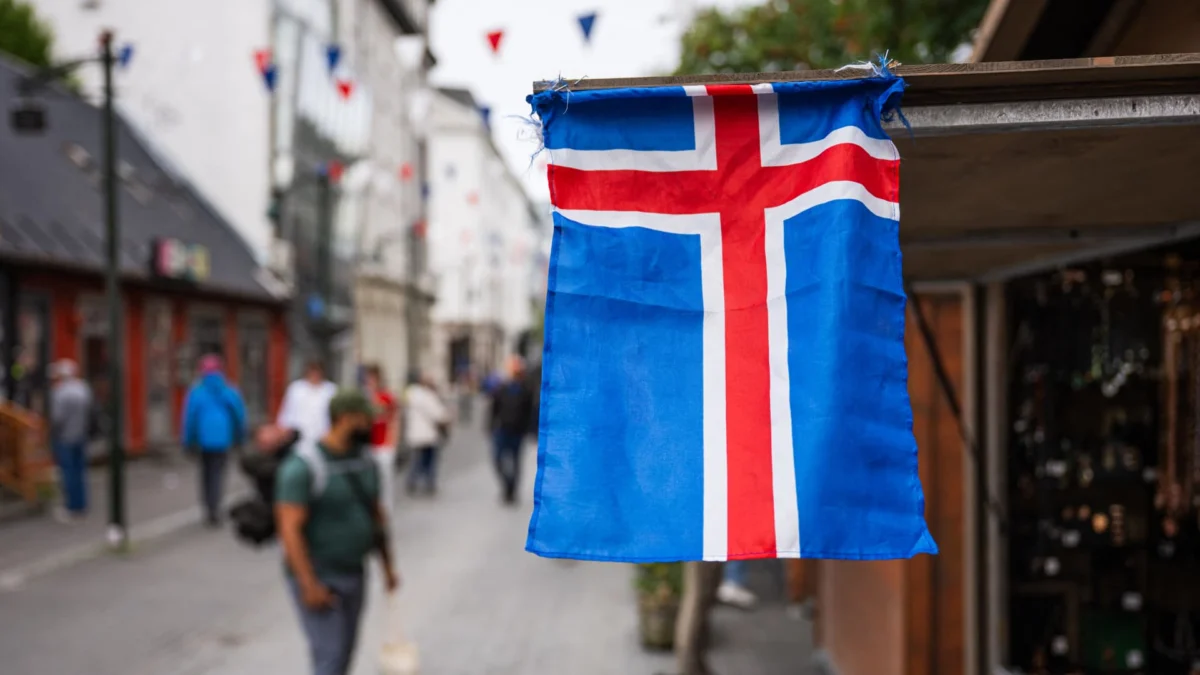
The debate over Iceland’s potential EU membership has taken on a new geopolitical dimension due to former U.S. President Donald Trump’s expressed interest in acquiring Greenland and growing uncertainty over America’s security commitments in the Arctic region.
According to US Top News and Analysis, these factors have introduced fresh considerations into Iceland’s national conversation about joining the European Union. The country’s strategic location between North America and Europe makes its political decisions particularly significant amid shifting Arctic power dynamics.
KEY FACTS
- Former President Trump previously expressed interest in acquiring Greenland
- Uncertainty exists about current U.S. security commitments in the Arctic
- These factors are influencing Iceland’s debate about joining the EU
- The EU referendum in Iceland remains on a political knife-edge
How did we get here?
Iceland’s relationship with the European Union has been complex and evolving. While the country already participates in many EU programs through its membership in the European Economic Area, full membership has remained controversial. The potential geopolitical consequences of EU membership have now become part of this ongoing debate.
The Arctic region has gained strategic importance in recent years due to climate change opening new shipping routes and access to natural resources. Iceland’s location makes it a key player in this changing landscape, and security guarantees have become an increasingly important consideration.
What’s at stake?
The EU membership question touches on fundamental issues of Icelandic sovereignty, economic policy, and now apparently, national security. The country has historically relied on its NATO membership and bilateral defense agreements, particularly with the United States, for its security needs.
With questions arising about the reliability of U.S. commitments and potential changes to the regional balance of power, some Icelandic politicians and analysts appear to be reevaluating the security implications of EU membership. The EU offers its own mutual defense clause under Article 42.7 of its treaty, though this differs from NATO’s Article 5 collective defense guarantee.
WHAT WE KNOW — AND WHAT WE DON’T
Verified by the source:
- Trump’s interest in Greenland has become a factor in Iceland’s EU debate
- Concerns about U.S. security commitments are influencing the discussion
- The EU referendum in Iceland remains closely balanced
Still unconfirmed:
- How exactly Trump’s Greenland interest affects specific Icelandic voting blocs
- Whether recent U.S. administrations have changed Arctic security policies
- The exact timeline or wording of any proposed EU referendum
WHY IT MATTERS
Small nations like Iceland often face disproportionate impacts from great power competition and shifting geopolitical alliances. The incorporation of security considerations into the EU membership debate reflects broader trends where economic unions are increasingly seen through a strategic lens. The outcome could influence Arctic governance and Europe’s northern security architecture.
WHAT TO WATCH
The development of Iceland’s EU referendum proposal and any official statements from the Icelandic government about how security concerns factor into their position. Additionally, clarification from U.S. officials about Arctic security commitments could significantly influence the debate.