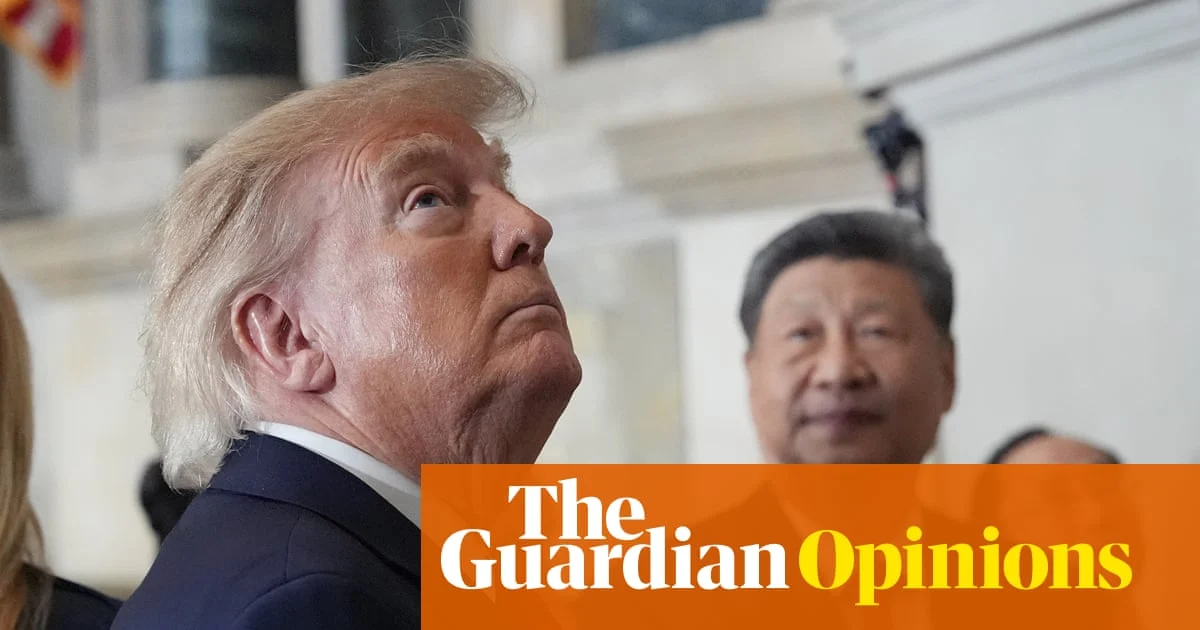
Xi Jinping’s visit to Washington left US-China tensions unchanged, with no substantive progress on resolving bilateral disputes, according to an editorial by Business | The Guardian. The Chinese leader’s trip included diplomatic courtesy and cultural exchanges, but failed to generate meaningful movement on economic or strategic disagreements between the two powers.
The visit was marked by ceremonial welcomes and soft-power gestures, yet analysts noted a persistent gap between symbolism and substance. Two giant pandas, described by Xi as ‘envoys of friendship,’ are set to arrive at an Atlanta zoo, echoing a tradition dating to 1972 when China first sent pandas to the United States following President Richard Nixon’s historic visit. However, despite their charm, the animals are unlikely to influence public opinion or policy on US-China tensions.
KEY FACTS
- Xi Jinping visited the White House and met with Donald Trump.
- Two Chinese giant pandas will be hosted at an Atlanta zoo following the visit.
- Beijing uses panda diplomacy to signal satisfaction or displeasure with other nations.
- The US president traveled to meet Xi, calling him ‘strong, vibrant and fit.’
- Trump claimed he and Xi had ‘never gotten along better,’ despite low expectations.
What Did the Visit Actually Achieve?
The summit struggled to meet already modest expectations, following a stagnant meeting in Beijing months earlier. President Trump extended unusual personal hospitality, traveling to greet Xi upon arrival—a gesture rarely afforded to foreign leaders. He publicly praised the Chinese leader’s health and vitality, suggesting a reset in tone if not in policy.
Nevertheless, the central takeaway was symbolic rather than substantive. The panda exchange, while visually appealing, represents a long-standing tradition of using wildlife diplomacy to manage international perception. Reports suggest each panda pair leases for around $1 million annually, underscoring that even friendly gestures carry financial weight.
How Did We Get Here?
Relations between the world’s two largest economies have been strained by trade disputes, technology restrictions, and competing geopolitical interests. Previous summits have produced little resolution, reflecting deep structural disagreements over market access, intellectual property, and regional influence.
This latest encounter did little to alter that trajectory. While Trump emphasized personal rapport with Xi, analysts caution that rhetorical warmth rarely translates into concrete agreements. The absence of major announcements or joint statements highlights the entrenched nature of US-China tensions, which remain unresolved despite high-level engagement.
What We Know — and What We Don’t
Verified by the source:
- Xi Jinping met Donald Trump at the White House during his visit.
- President Trump traveled to greet Xi upon arrival, an unusual gesture.
- Two giant pandas will be sent to an Atlanta zoo as part of the visit’s aftermath.
- China first sent pandas to the US in 1972 after Nixon’s visit to Beijing.
- Trump stated that he and Xi have ‘never gotten along better.’
Still unconfirmed:
- The exact terms or future schedule for panda transfers remain unspecified.
- No official quotes from either leader beyond reported summaries are provided.
- The identities of the two upcoming Chinese envoys mentioned were not named.
- It is unclear whether any behind-the-scenes negotiations occurred during the visit.
Why It Matters
US-China tensions shape global markets, supply chains, and foreign policy decisions worldwide. Symbolic gestures may momentarily ease diplomatic friction, but without structural concessions or enforceable agreements, core issues such as tariffs, data security, and territorial disputes are unlikely to resolve themselves. For businesses and investors monitoring [economy-markets], these stalled dialogues signal continued volatility and uncertainty ahead.
What To Watch Next
Further high-level meetings are expected in coming months, though few anticipate breakthrough outcomes. Watch for signs of renewed tariffs, regulatory changes affecting [war-geopolitics], or shifts in alliance strategies that could reshape the global order.