Lede
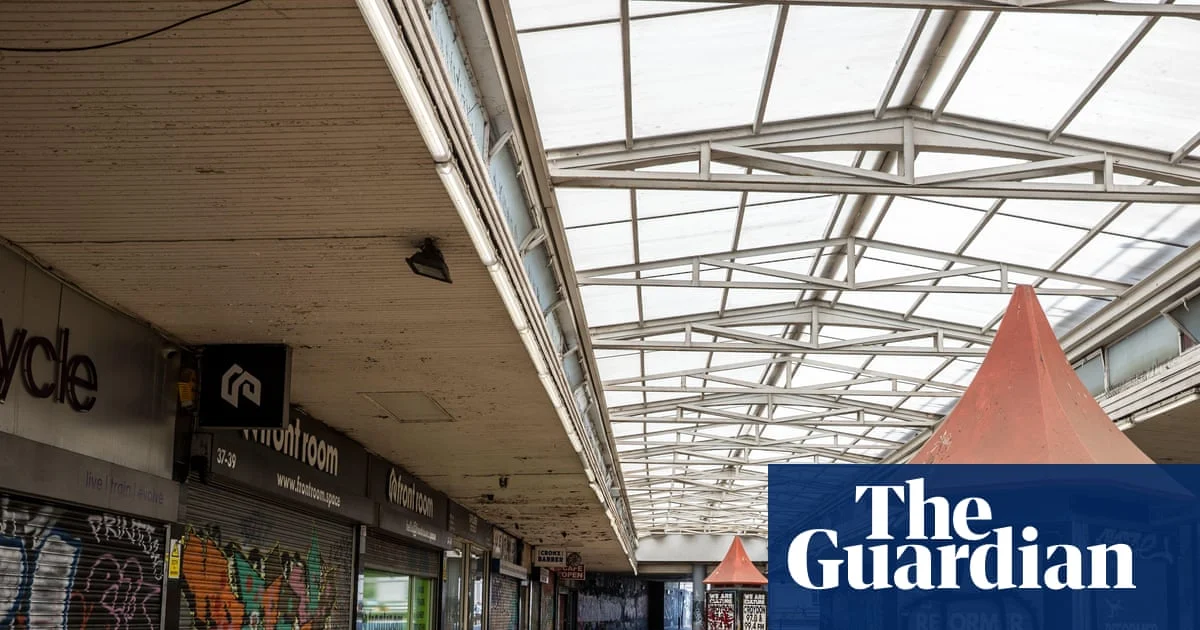
Andy Burnham has pledged an additional £210 million to support high street regeneration by converting boarded-up shops, pubs and clubs into community hubs, shared workspaces and cafes.
The funding aims to put power back into the hands of local people, according to a report by Business | The Guardian. The initiative is part of broader efforts to restore pride and bring hope back to neglected town centres.
High street regeneration has become a central policy issue as traditional retail continues to decline across the UK. This new commitment seeks to reimagine vacant commercial spaces as multipurpose community assets rather than simply restoring former retail use.
Key Facts
- £210m pledged for high street regeneration.
- Funds target boarded-up shops, pubs and clubs.
- Goal is to convert them into community hubs, shared workspaces and cafes.
- Andy Burnham said funds will help put power back into the hands of locals.
- Funding forms part of effort to restore pride and bring hope back.
Who Is Affected by the Pledge?
The pledge directly affects local communities where high streets have suffered prolonged vacancy and decline. Boarded-up premises not only reduce footfall but also signal broader economic distress in town centres.
By converting these spaces into community hubs, shared workspaces and cafes, the plan hopes to create flexible spaces that serve multiple local needs. These could include co-working spaces for small businesses, cafés hosting community events, or multi-use halls run by residents.
The strategy reflects a shift toward bottom-up high street regeneration, giving locals decision-making power over how empty buildings are repurposed. Andy Burnham stated that putting control in the hands of those who know their areas best would ensure more effective use of public funds.
What Happens Next?
Details on how the £210m will be distributed remain unclear. Business | The Guardian did not specify whether grants will be allocated through councils, regional bodies or direct community bids.
Application processes, eligibility criteria and timelines for conversion projects have yet to be announced. The government may also need to outline how success will be measured — for example, through job creation, footfall increases or community engagement rates.
Past regeneration schemes have faced criticism over slow delivery and limited local input. Transparency around project selection and ongoing reporting could determine whether this funding achieves its stated aim of empowering communities.
What We Know — and What We Don’t
Verified by the source:
- £210m has been pledged for high street regeneration.
- Premises targeted include boarded-up shops, pubs and clubs.
- Conversion goals include community hubs, shared workspaces and cafes.
- Andy Burnham linked the funding to local empowerment.
Still unconfirmed:
- Exact distribution mechanism for the funds.
- Eligibility criteria for applicants.
- Timeline for project rollout.
- Number of buildings or communities supported.
Why It Matters
High streets have long been seen as barometers of economic health. Revitalising them through community-led high street regeneration can help counter social fragmentation and offer new models for sustainable urban planning.
What To Watch
Future announcements are expected on how the £210m will be rolled out. Monitoring how much control local groups actually gain will reveal whether this initiative delivers on its promises.