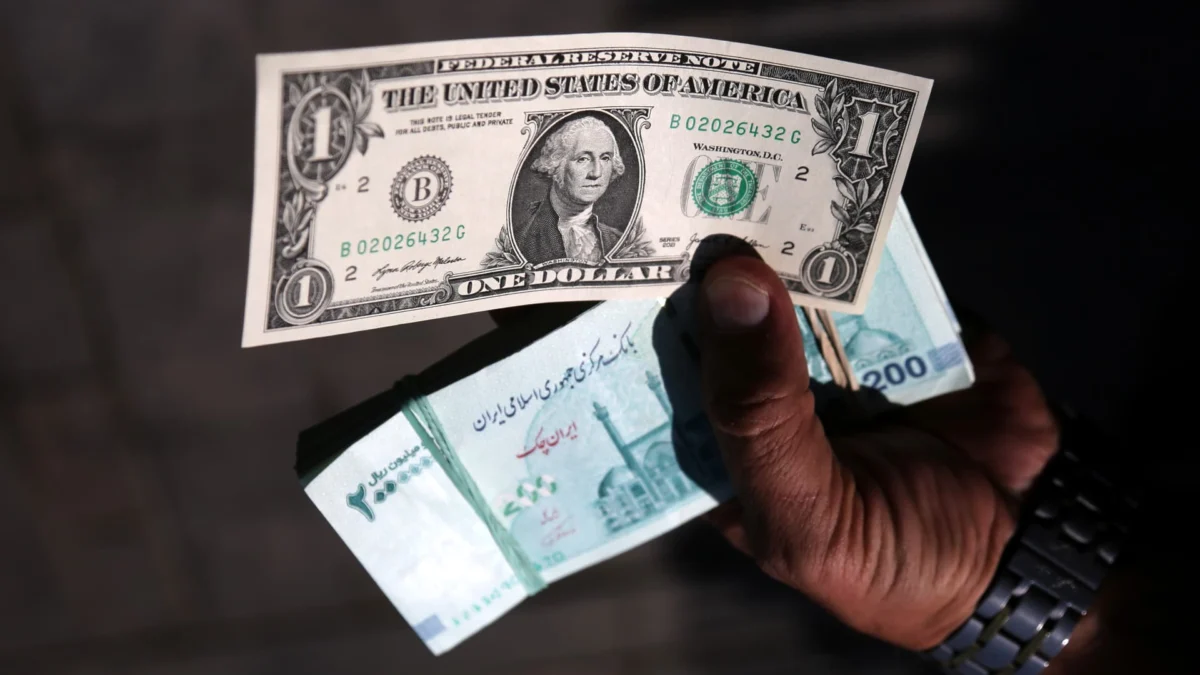
The Trump administration’s threat of imposing ‘economic D-Day’ sanctions on Iran could significantly impact a small group of countries that serve as crucial trade lifelines for Tehran, according to US Top News and Analysis. These nations account for the majority of Iran’s remaining foreign commerce as U.S. pressure campaigns have already isolated much of Iran’s economy from global markets.
Key Facts:
- U.S. threatens “economic D-Day” sanctions targeting Iran’s trade partners
- A small group of countries account for most of Iran’s remaining foreign trade
- Secondary sanctions could impact these trade relationships significantly
Which countries face the most risk?
The report indicates that certain nations have become critical trade partners for Iran as Western sanctions have forced other countries to cut economic ties. While the source doesn’t name specific countries, it suggests these relationships have grown more important as Iran’s trade options have narrowed. Secondary sanctions from the U.S. – which target third parties doing business with sanctioned entities – could put major pressure on these remaining commercial links.
How do secondary sanctions work?
Secondary sanctions allow the U.S. to penalize foreign companies and financial institutions for doing business with sanctioned entities, even if those transactions don’t involve U.S. dollars or American companies. This gives Washington extraterritorial reach to enforce its sanctions regime. For countries maintaining trade with Iran, these measures could mean losing access to the U.S. financial system – a potentially devastating consequence for many businesses.
What We Know — and What We Don’t
Verified by the source:
- The U.S. is threatening new “economic D-Day” sanctions against Iran
- A limited number of countries account for most of Iran’s remaining foreign trade
Still unconfirmed:
- Which specific countries would be most affected by these sanctions
- The exact timing or scope of any new sanctions measures
- How these countries might respond to the U.S. pressure
Why It Matters
Iran’s ability to maintain foreign trade relationships despite U.S. sanctions has been a key factor in weathering previous rounds of economic pressure. If Washington successfully targets these remaining lifelines, it could significantly intensify the economic isolation Tehran faces. The move comes as the U.S. appears to be escalating its maximum pressure campaign against Iran across multiple fronts.
What To Watch
The response from countries maintaining trade ties with Iran will be crucial, as will any official announcements from the U.S. Treasury Department regarding specific sanction measures and targets. The effectiveness of these sanctions may depend on whether partner countries find ways to circumvent or mitigate the U.S. pressure.