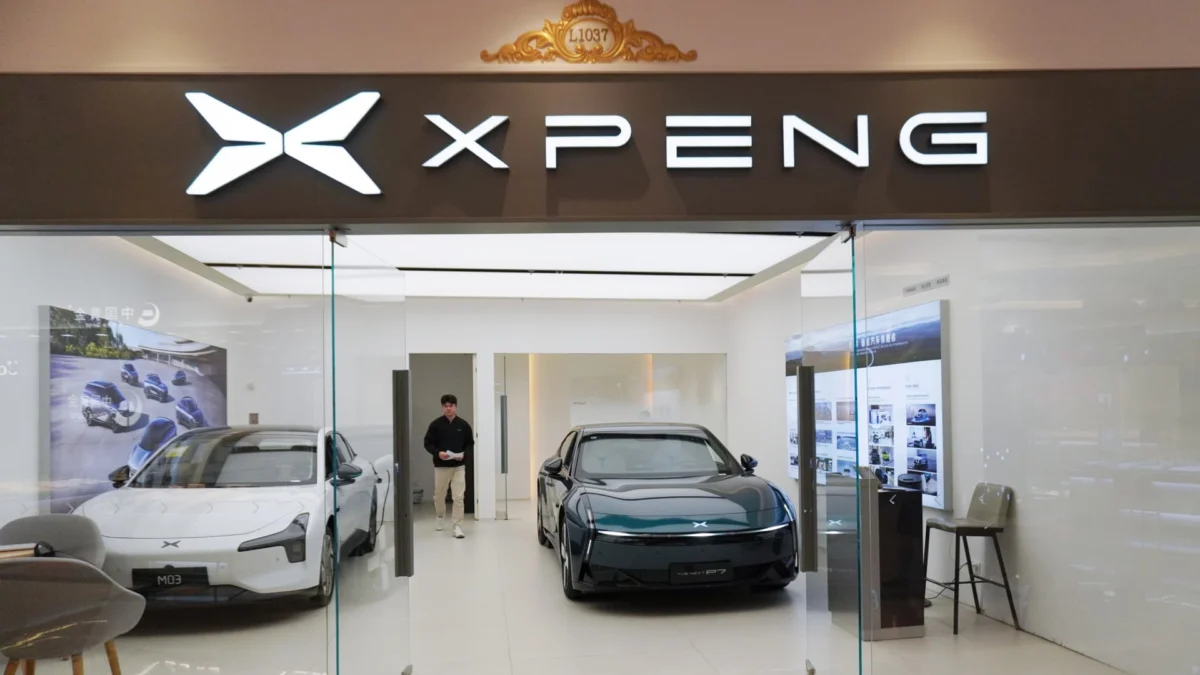
Xpeng shares declined following a weaker-than-expected delivery forecast, overshadowing news that its robotics unit achieved a valuation nearing that of its primary electric vehicle operations. The dual development highlights the challenges and opportunities facing the Chinese automaker as it balances its core business with emerging ventures.
The company’s stock performance reflects investor concerns over near-term delivery targets, even as its long-term bets in robotics gain traction. According to US Top News and Analysis, the robotics division’s valuation stands at approximately $6.3 billion, comparable to Xpeng’s established EV segment.
Key Facts
- Xpeng shares fell after issuing weak delivery guidance.
- The company’s robotics business secured a valuation of $6.3 billion.
- The robotics valuation nearly matches that of Xpeng’s core EV business.
Why did Xpeng shares decline?
Investors reacted negatively to Xpeng’s delivery forecast, which fell short of expectations. The guidance suggests potential challenges in the competitive EV market, where production and demand fluctuations can significantly impact stock performance. While delivery numbers are a key metric for automakers, Xpeng’s situation demonstrates how investor focus can shift rapidly between short-term operational performance and long-term strategic bets.
What does the robotics valuation mean?
The $6.3 billion valuation for Xpeng’s robotics unit indicates substantial confidence in this emerging division, despite its nascency compared to the established EV business. This parity suggests investors may see robotics as equally critical to Xpeng’s future, potentially diversifying the company’s revenue streams beyond automotive manufacturing. The development mirrors broader industry trends where automakers expand into adjacent technology sectors.
What We Know — and What We Don’t
Verified by the source:
- Xpeng shares dropped following weak delivery guidance.
- The robotics unit valuation approaches $6.3 billion.
- The robotics and EV business valuations are nearly equal.
Still unconfirmed:
- The specific reasons behind the weak delivery forecast.
- Whether the robotics valuation comes from external investors or internal assessment.
- How the robotics division might integrate with or support Xpeng’s EV operations.
Why It Matters
The divergence between Xpeng’s stock performance and its robotics valuation illustrates the complex dynamics facing modern automakers. Companies must simultaneously execute on core business metrics while convincing investors of their future growth potential in adjacent technologies. This case offers insights into how markets evaluate traditional versus emerging business segments within the same company.
What To Watch
Investors will monitor whether Xpeng can improve its delivery performance while continuing to develop its robotics capabilities. The company’s ability to balance these priorities may determine its long-term position in both the EV and tech sectors.