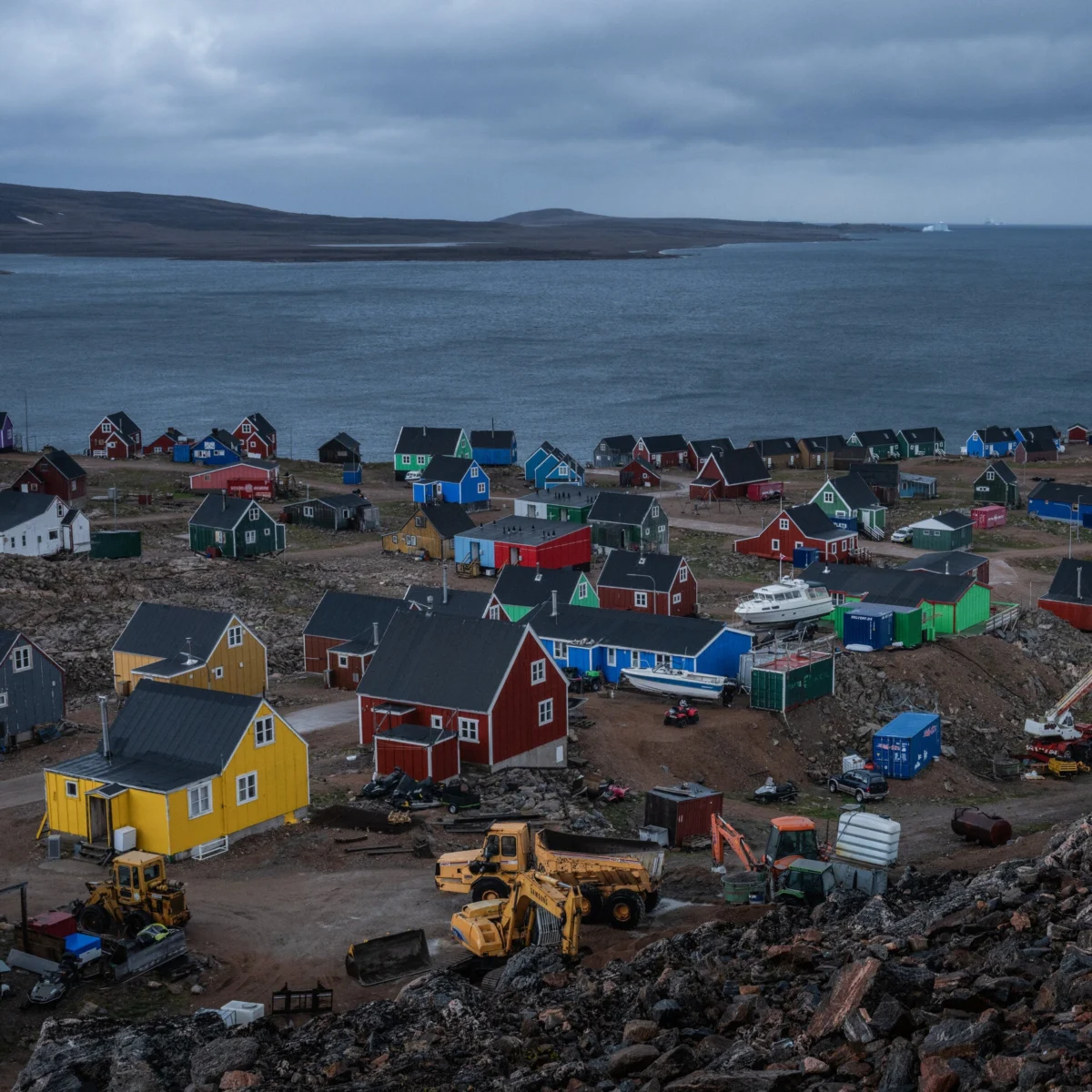
President Trump signed a Greenland security deal that falls well short of his earlier demand to turn Greenland into a U.S. territory. The agreement marks a shift from his public vows to “own” the island, settling instead for a more limited security arrangement. The deal addresses strategic concerns but does not grant the United States control envisioned in prior statements.
Key Facts
- President Trump previously vowed to make Greenland a U.S. territory.
- A Greenland security deal has now been signed by President Trump.
- The agreement falls well short of turning Greenland into a U.S. territory.
- The deal addresses strategic and security interests rather than territorial acquisition.
How did we get here?
Trump’s pursuit of Greenland attracted international attention after he repeatedly suggested the United States should take control of the island. Those comments strained diplomatic ties, particularly with Denmark, which controls Greenland as an autonomous territory. Rather than pursuing formal annexation, the United States moved toward a narrower security framework. The resulting agreement reflects diplomatic compromise, emphasizing cooperation over control.
What happens next?
The Greenland security deal now moves into implementation, though its long-term effects remain unclear. Analysts note that strategic interest in Greenland has not diminished, even as the form of U.S. engagement has changed. Greenland itself maintains autonomy and continues to navigate its relationship with both Denmark and the United States. Further steps may involve expanded defense cooperation or renewed territorial discussion, depending on shifting political dynamics.
What We Know — and What We Don’t
Verified by the source:
- President Trump signed a Greenland security deal.
- Trump previously expressed interest in making Greenland a U.S. territory.
- The deal does not convert Greenland into a U.S. territory.
Still unconfirmed:
- The specific terms or scope of the Greenland security deal.
- The timeline for implementation or next diplomatic steps.
- Official responses from Greenland, Denmark, or U.S. defense officials.
Why it matters
Greenland holds strategic importance due to its geographic location and natural resources. Shifts in U.S. policy toward the island can influence defense planning, Arctic sovereignty debates, and regional diplomatic relations. A security-focused approach may signal continuity of interest without the disruptions of territorial ambition.
What to watch
Future statements from U.S. and Danish officials may clarify how the Greenland security deal will be implemented. Additional defense partnerships or renewed territorial rhetoric could reshape the strategic outlook for the region.
A Greenland security deal signed by President Trump stops well short of his earlier goal to make the island a U.S. territory, according to reporting by NYT > Top Stories.