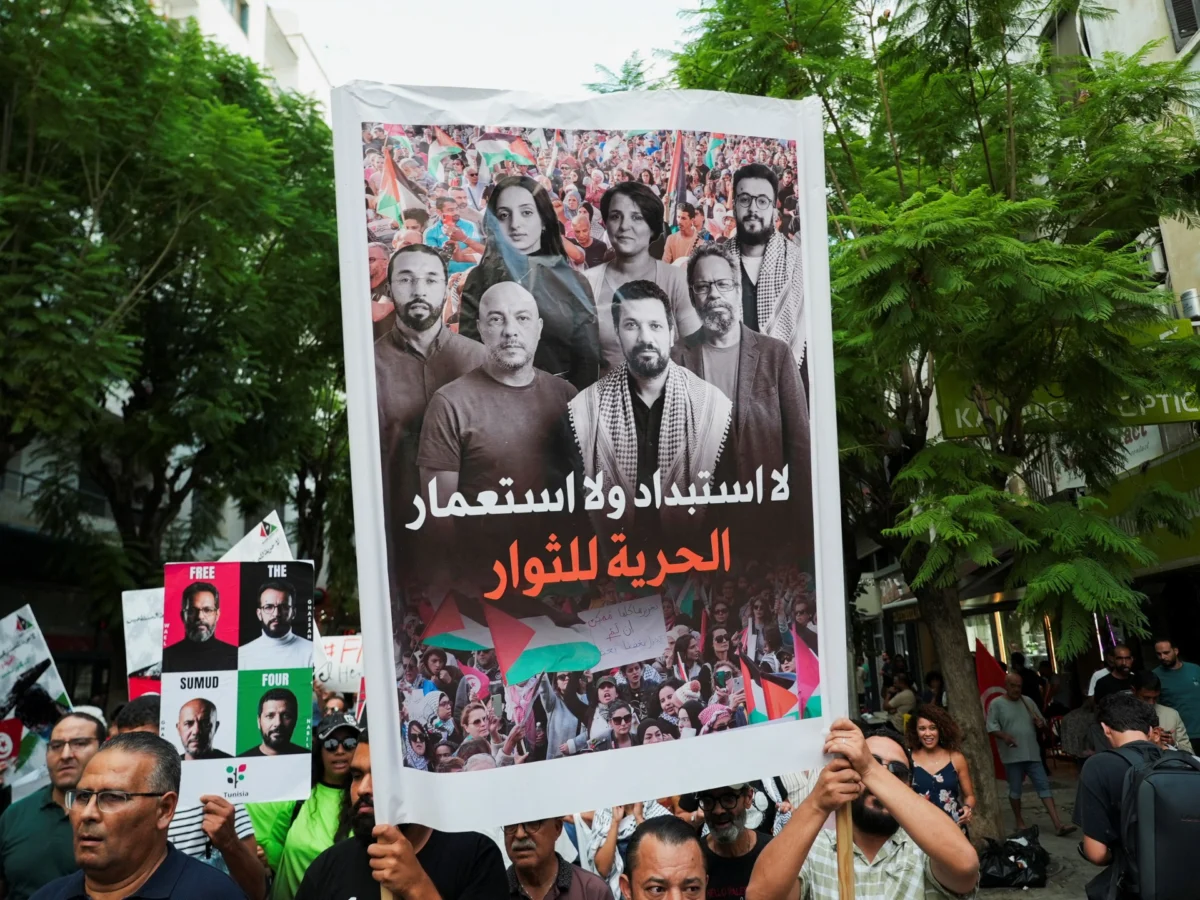
A Gaza flotilla activist is on hunger strike in a Tunisian jail and reportedly on the verge of death after 39 days, according to the Gaza Sumud Flotilla.
Wael Naouar has been hospitalised as the hunger strike enters its 39th day, the Gaza Sumud Flotilla says. His condition is said to have deteriorated significantly, with reports indicating he is on the verge of death. The circumstances surrounding his detention and the reasons for the hunger strike remain unclear, but the case has drawn attention to ongoing tensions in the region.
KEY FACTS
- A Gaza flotilla activist is on hunger strike in a Tunisian jail.
- The activist, identified as Wael Naouar, has been hospitalised.
- The hunger strike has entered its 39th day.
- His condition is described as being on the verge of death.
- The Gaza Sumud Flotilla is the source of the information.
The Health Crisis Deepens
Wael Naouar’s prolonged hunger strike has placed his health in serious jeopardy. Being on hunger strike for nearly six weeks without adequate nutritional intake typically leads to severe complications, including organ failure. His hospitalisation underscores the gravity of the situation. While the specific charges or legal grounds for his detention have not been disclosed publicly, the act of going on hunger strike often signals a form of protest against perceived injustices.
Hunger strikes are frequently used by activists and detainees as a non-violent means of drawing international attention to their cause. However, they carry significant personal risk and are closely monitored by human rights groups who express concern over the welfare of those involved. Medical professionals generally warn that individuals on extended hunger strikes require immediate and careful medical supervision to prevent irreversible harm.
What Happens Next?
International observers are likely watching the situation closely, particularly given the activist’s reported deteriorating condition. Calls for consular access and intervention may increase if his health continues to decline. The role of regional governments, especially Tunisia, will be critical in ensuring appropriate medical care and transparency regarding the detainee’s legal status.
The Gaza Sumud Flotilla, which has been advocating for Palestinian rights, may intensify its efforts to raise awareness about the case. Human rights organizations might step in to seek assurances about Naouar’s treatment and legal proceedings. At this stage, any developments will depend heavily on diplomatic responses and public pressure.
Who Is Affected?
Beyond Wael Naouar himself, this incident affects a broader network of activists, solidarity movements, and concerned citizens who view his detention as emblematic of larger geopolitical struggles. The Gaza Sumud Flotilla represents one strand of activism focused on breaking what supporters describe as a blockade on Gaza. Their actions often spark international debate, and this latest development could influence future missions.
Tunisia’s handling of the situation may also impact its standing in regional diplomacy and human rights discourse. Countries and institutions that support freedom of expression and assembly are expected to monitor cases like these. Public attention can sometimes expedite legal processes or lead to negotiated outcomes, though outcomes remain uncertain.
WHAT WE KNOW — AND WHAT WE DON’T
Verified by the source:
- A Gaza flotilla activist named Wael Naouar is detained in a Tunisian jail.
- He is on a 39-day hunger strike.
- He has been hospitalised during the hunger strike.
- His condition is described as being on the verge of death.
- The Gaza Sumud Flotilla confirmed these details.
Still unconfirmed:
- The exact legal charges or reasons for Naouur’s detention.
- Whether he has access to legal representation or family visits.
- The specific medical prognosis or treatments being administered.
- Official statements from Tunisian authorities or diplomatic bodies.
- Broader context behind the activism linked to the Gaza Sumud Flotilla.
WHY IT MATTERS
This case highlights the complex intersection of activism, international law, and human rights. Hunger strikes by detained activists often serve as catalysts for global dialogue, especially when they involve contested territories like Gaza. The health and freedom of such individuals resonate beyond national borders, influencing public opinion and potentially shaping foreign policy decisions.
WHAT TO WATCH
All eyes are now on Tunisian officials and international human rights bodies to respond transparently and ensure Wael Naouar receives adequate medical care. Further updates may emerge depending on whether formal communications are issued by involved governments or legal entities.
A rapid escalation in his condition or renewed advocacy from the Gaza Sumud Flotilla could prompt renewed scrutiny of detention policies and freedom of assembly in the region.