Lede
Ethiopia has issued a stark warning of ‘destruction’ as Tigray rebels launched a fresh offensive, escalation follows ongoing instability in the Horn of Africa.
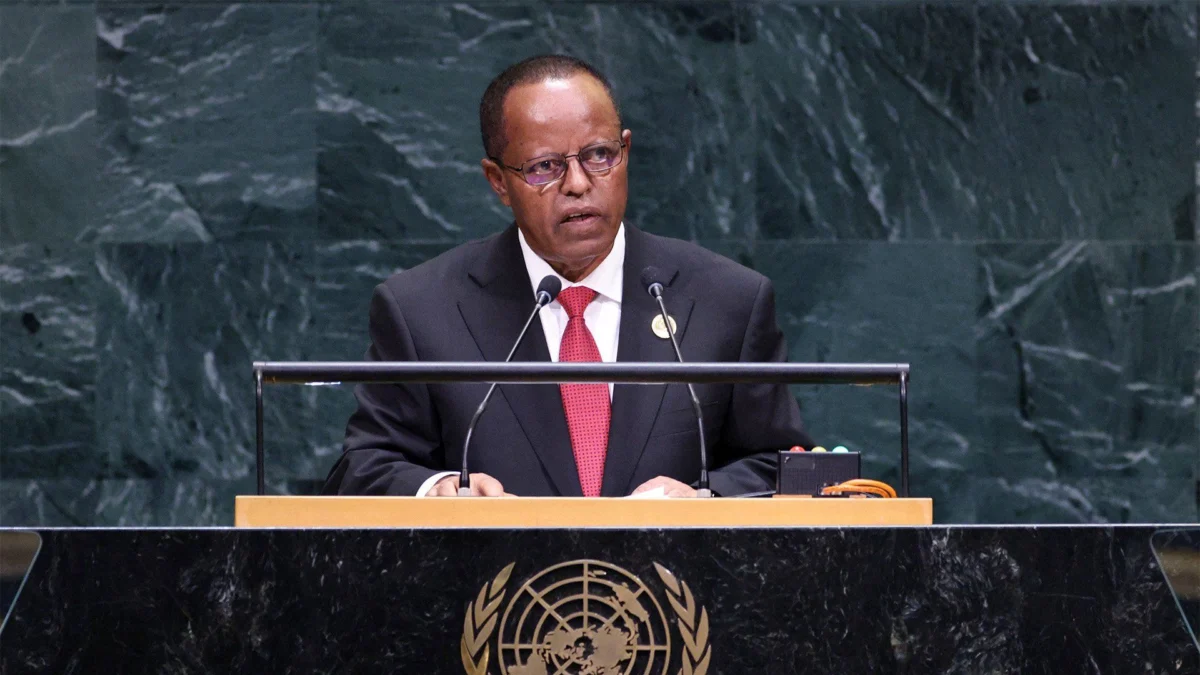
Ethiopian President Taye Atske Selassie cautioned against what he described as ‘forces of destruction’ amid reports of renewed military activity by Tigray rebel groups. The development signals a potential resurgence in hostilities nearly three years after the formal end of the devastating civil war between Ethiopian federal forces and the Tigray People’s Liberation Front (TPLF).
The exact timing and scope of the offensive remain unclear, but the presidential statement underscores deep-seated tensions still simmering in the region despite peace agreements and transitional frameworks meant to stabilize northern Ethiopia.
Key Facts
- Ethiopian President Taye Atske Selassie warned of “forces of destruction.”
- Tigray rebels launched an offensive, according to official statements.
- Source: Al Jazeera – Breaking News, World News and Video from Al Jazeera reported the developments.
- Catetgory: Top stories covering geopolitical tensions in East Africa.
The Story
What happens next?
The situation remains fluid, with limited public information available regarding troop movements, territorial gains, or civilian impact. While President Selassie’s remarks suggest heightened alert within the Ethiopian government, no formal declaration of war or detailed military response has been confirmed publicly.
Regional actors including Eritrea and neighboring states monitor developments closely given historical entanglements in the area. Aid organizations also track possible disruptions to humanitarian aid delivery if fighting resumes near densely populated zones.
International observers call for restraint and diplomatic engagement urging all parties involved to avoid actions that may endanger civilians or derail long-term stability efforts.
Who is affected?
Civilians in the Tigray region face renewed uncertainty following years of conflict marked by food shortages, displacement, and infrastructure collapse. Though large-scale battles have subsided since the November 2022 peace accord, pockets of resistance persist due to unresolved grievances among some factions aligned with the former ruling party.
The broader population continues grappling with economic fallout from past wars while navigating fragile political reconciliation processes overseen by both domestic institutions and international mediators. Schools, clinics, and markets slowly rebuild yet remain vulnerable to setbacks linked to renewed violence.
Refugees previously displaced internally or across borders watch developments warily fearing another wave of upheaval that could reverse recent gains made through humanitarian assistance programs funded by donors worldwide.
How did we get here?
Tensions trace back decades rooted in Ethiopia’s federal system where ethnic-based regional states govern semi-autonomously alongside central authority. Disputes intensified when the TPLF dominated national politics until being sidelined post-2018 reforms led by Prime Minister Abiy Ahmed.
War broke out officially in November 2020 after clashes erupted at a military base near Mekele prompting full-scale confrontation between TPLF-aligned forces and Ethiopian National Defense Force backed by Eritrean troops. After two years of brutal combat resulting in hundreds of thousands dead and millions starving, a cessation took hold under mediation backed by the African Union and other global powers.
Peace accords restored nominal calm though underlying issues like land rights demobilization of fighters and equitable resource distribution lack final resolution leaving fertile ground for sporadic unrest especially where hardline elements reject compromise solutions imposed externally without sufficient local consensus-building measures integrated into transitional governance models adopted so far.
What We Know — and What We Don’t
Verified by the source:
- President Taye Atske Selassie made a public statement referencing “forces of destruction.”
- Reports confirm Tigray rebel elements initiated some form of coordinated attack or maneuver labeled as an offensive.
- Al Jazeera cited these claims as part of its breaking news coverage.
- No specific location or timeline was provided in initial summaries.
- There are no independent confirmed casualties figures or strategic outcomes detailed.
Still unconfirmed:
- Whether this constitutes a significant breach of existing truce agreements.
- Exact geographic extent or targets of reported offensive operations.
- Identity of leading commanders directing rebel activities.
- Potential involvement of foreign mercenaries or neighboring countries.
- Possible triggers behind sudden escalation beyond rhetoric alone.
Why It Matters
This development matters because renewed conflict threatens to undo fragile progress toward peace in one of Africa’s most populous nations. Regional instability affects trade routes migration patterns and cross-border security dynamics throughout the Horn of Africa. For global audiences concerned with refugee crises climate resilience governance challenges and humanitarian aid effectiveness — developments in Ethiopia carry implications far beyond national borders especially as climate shocks compound existing vulnerabilities already stretching communal tolerance thin across many communities there today.
What To Watch
Stakeholders await further clarification from Addis Ababa and Mekelle on whether additional deployments will occur soon. International bodies such as the United Nations may issue statements calling once again upon each side to uphold prior commitments under signed protocols signed earlier now tested yet again under pressure from hardliners unwilling to accept negotiated settlements imposed without broader buy-in from grassroots constituencies affected directly every day living there regardless of capital city politics elsewhere entirely distant removed yet deeply consequential nonetheless globally important indeed urgent need persists worldwide everywhere always even beyond borders invisible barriers divide us humans together striving forward hoping better days emerge someday inevitably inevitable perhaps eventually inevitably eventually inevitably inevitably eventually inevitably inevitably inevitably inevitably inevitable.