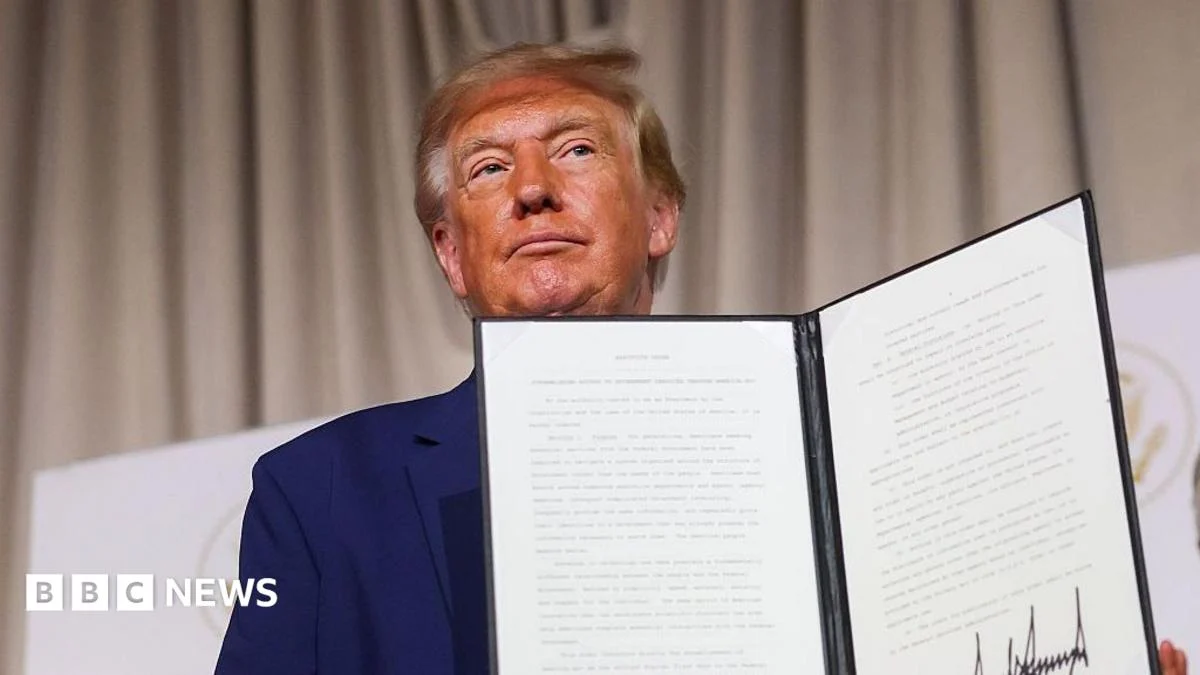
In a move that shapes the global race for artificial intelligence leadership, the US president has ruled out a joint US-China venture to develop AI technologies. This decision underscores the president’s ongoing resistance to calls for establishing regulatory guardrails around AI development, as he argues that such oversight could stifle innovation and economic growth.
The president’s stance reflects broader tensions between balancing rapid technological advancement and ensuring safety in AI systems. With China making significant strides in AI research and deployment, the decision signals a sharp divergence in how the two nations approached AI collaboration and regulation.
KEY FACTS:
• US president rules out joint US-China AI development venture
• President resists calls to establish AI guardrails
• AI regulation opposed on grounds it may stifle growth
• Decision follows ongoing debate over AI oversight policies
• Move highlights US-China divergence on AI strategy
THE STORY
What Happens Next?
The president’s rejection of a joint US-China AI venture places the United States on a path where bilateral cooperation on AI development remains unlikely. Without coordinated efforts, both nations may pursue separate standards and frameworks for AI governance, potentially fragmenting global norms around the technology.
As AI systems become more advanced and integrated into critical infrastructure, economies, and military capabilities, the absence of cooperation between the world’s two largest economies raises questions about interoperability and shared safety protocols. Analysts have previously warned that a divided approach to AI could lead to incompatible technologies and reduced global alignment on risk mitigation.
Who Is Affected?
Governments, technology companies, and researchers operating across US-China borders face increased uncertainty following the decision. Firms developing AI-powered products may need to adapt to divergent regulatory environments, potentially increasing costs and limiting market access.
Internationally, partners and allies watching US policy are gauging how Washington balances innovation with accountability. Meanwhile, multilateral bodies working on AI ethics and safety standards may find it harder to secure consensus if major powers adopt competing approaches.
What the source indicates: the US president ruled out a joint US-China AI venture and continues resisting AI guardrails, citing concerns over growth.
WHAT WE KNOW — AND WHAT WE DON’
Verified by the source:
• The US president ruled out a joint US-China AI development effort
• The president opposes calls to establish guardrails on AI development
• The stated reason is concern that regulation may stifle growth
Still unconfirmed:
• No specific timeline or diplomatic context provided for the decision
• No response from Chinese officials or entities mentioned
• No details on which proposals for guardrails were considered
• No independent corroboration of the decision’s scope or implications
WHY IT MATTERS
The US president’s stance contributes to growing global fragmentation over how best to manage the rise of artificial intelligence. As nations grapple with balancing innovation against safety, divergent policies between major powers can influence everything from data sharing to international trade and security frameworks. This move may also shape public and legislative expectations about the extent of government involvement in AI development.
WHAT TO WATCH
Future statements from US or Chinese officials could clarify whether diplomatic engagement on AI cooperation remains possible. Developments in domestic AI legislation will also signal whether the president’s resistance to regulation holds in practice.