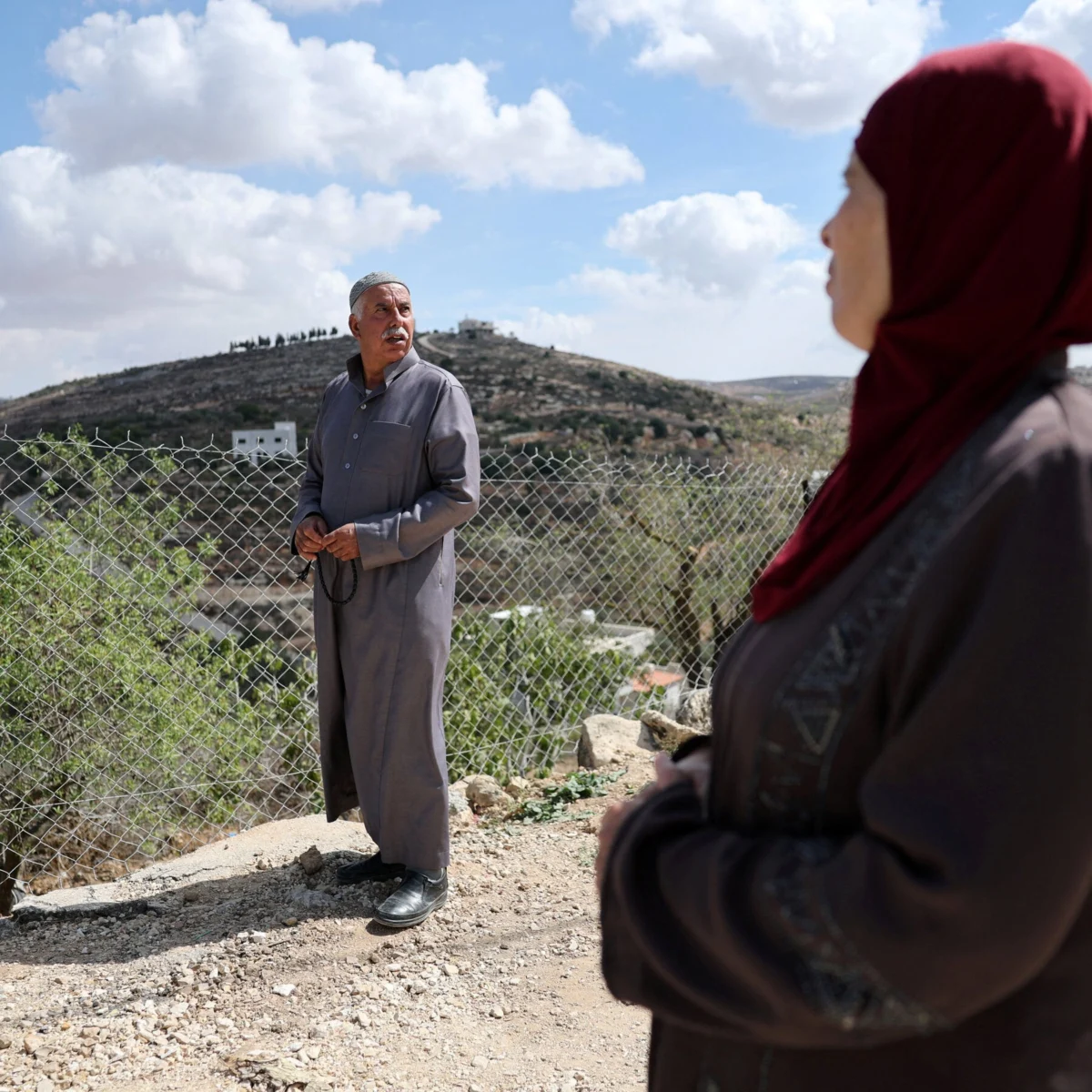
In the occupied West Bank, Israeli settlers clashed with military forces attempting to facilitate the return of a Palestinian family to their home, undermining a court-ordered directive. The confrontation occurred after repeated attacks forced the family to flee their residence, prompting the Israeli Supreme Court to instruct the military to ensure their safe return. However, settler interference prevented the operation from proceeding as planned, raising new questions about the enforcement of judicial rulings in contested territories.
This incident reflects broader tensions in the West Bank, where violence between settlers and Palestinians frequently disrupts daily life and governance. The Israeli military has struggled to maintain order amid competing claims over land access and security. As international scrutiny intensifies, the episode highlights ongoing challenges in implementing judicial decisions when they conflict with settler activities.
Key Facts
- Israeli settlers blocked a Palestinian family from returning home in the West Bank.
- The family had fled after repeated attacks.
- The Israeli Supreme Court ordered the military to enable the family’s return.
- Settler interference prevented the military from carrying out the order.
- The event drew criticism of Israeli policy in the West Bank.
What Happened During the Return Attempt?
According to reporting, the Israeli Supreme Court issued an order directing the military to escort the displaced Palestinian family back to their home. The court acted following evidence of repeated attacks that compelled the family to leave. Upon arrival at the scene, military personnel encountered resistance from local settlers, who physically obstructed the effort to restore the family’s access to their property. Despite being tasked with enforcing the court ruling, soldiers were unable to proceed due to the confrontation.
The incident underscores the complex relationship between Israel’s judiciary, military, and civilian populations in the occupied West Bank. While courts can issue orders, their implementation often depends on cooperation from on-the-ground forces and civilians alike. In this case, direct interference by settlers effectively nullified the court’s directive, illustrating how grassroots actions can override institutional mandates.
Who Is Affected by These Tensions?
Palestinian families living in areas under partial Israeli control are regularly impacted by restrictions on movement and access to their homes. Settler violence and military responses shape the daily realities for these communities, influencing everything from education to healthcare. When judicial remedies fail to materialize, trust in formal legal mechanisms erodes among Palestinians, further straining already fragile relations.
For Israeli settlers, such events reinforce perceptions of state backing for their presence in disputed regions. For international observers and human rights groups, incidents like this fuel criticism of Israeli policies regarding settlement expansion and the protection of Palestinian civilians. Each flare-up contributes to a cycle where diplomatic leverage diminishes and self-governance remains uncertain.
How Did This Fit Into Broader Context?
The West Bank has long been a focal point of conflict between Israelis and Palestinians, with periodic escalations rooted in land disputes, security concerns, and political stalemates. Over time, the presence of Israeli settlements in occupied territories has drawn both domestic and international condemnation. Critics argue that insufficient oversight allows settler actions to go unpunished, while others claim security considerations justify continued deployment.
In recent years, violence attributed to settlers targeting Palestinian properties and individuals has increased according to various monitors. Courts have occasionally intervened to protect vulnerable households, yet enforcement gaps persist. The latest standoff illustrates how even legally sanctioned interventions may falter without full coordination across agencies responsible for maintaining stability in volatile environments.
What We Know — and What We Don’t
Verified by the source:
- Israeli settlers obstructed a Palestinian family’s return to their home in the West Bank.
- The family left their home following repeated attacks.
- The Supreme Court ordered the military to assist the family’s return.
- Settlers prevented the military from executing the court order.
- The incident sparked criticism of Israeli policy toward Palestinians in the territory.
Still unconfirmed:
- The specific location within the West Bank where the incident took place.
- The identities of involved individuals or settler groups.
- Exact timeline of events leading up to or following the confrontation.
- Official statements from the Israeli government or military.
- Reactions from Palestinian leadership or international bodies.
Why It Matters
This clash exemplifies the fragility of rule of law in the West Bank, where competing claims and shifting loyalties complicate governance. When courts rule but lack effective enforcement mechanisms, it signals systemic weakness that affects all stakeholders—including those seeking refuge, those asserting territorial rights, and external partners monitoring compliance with international norms.
Looking ahead, observers will watch whether additional court orders are issued and if future attempts at rehousing displaced families encounter similar obstacles. The outcome could influence broader debates about sovereignty, justice, and accountability in one of the world’s most contested regions. Continued documentation by credible sources remains essential to understanding evolving dynamics on the ground. [Meta description: Settlers block Palestinian family return in West Bank after Supreme Court ruling; military fails to enforce order, drawing criticism.]
For more updates on regional conflicts, visit our War & Geopolitics section or explore related coverage in Politics. Stay tuned for developments as this story unfolds.