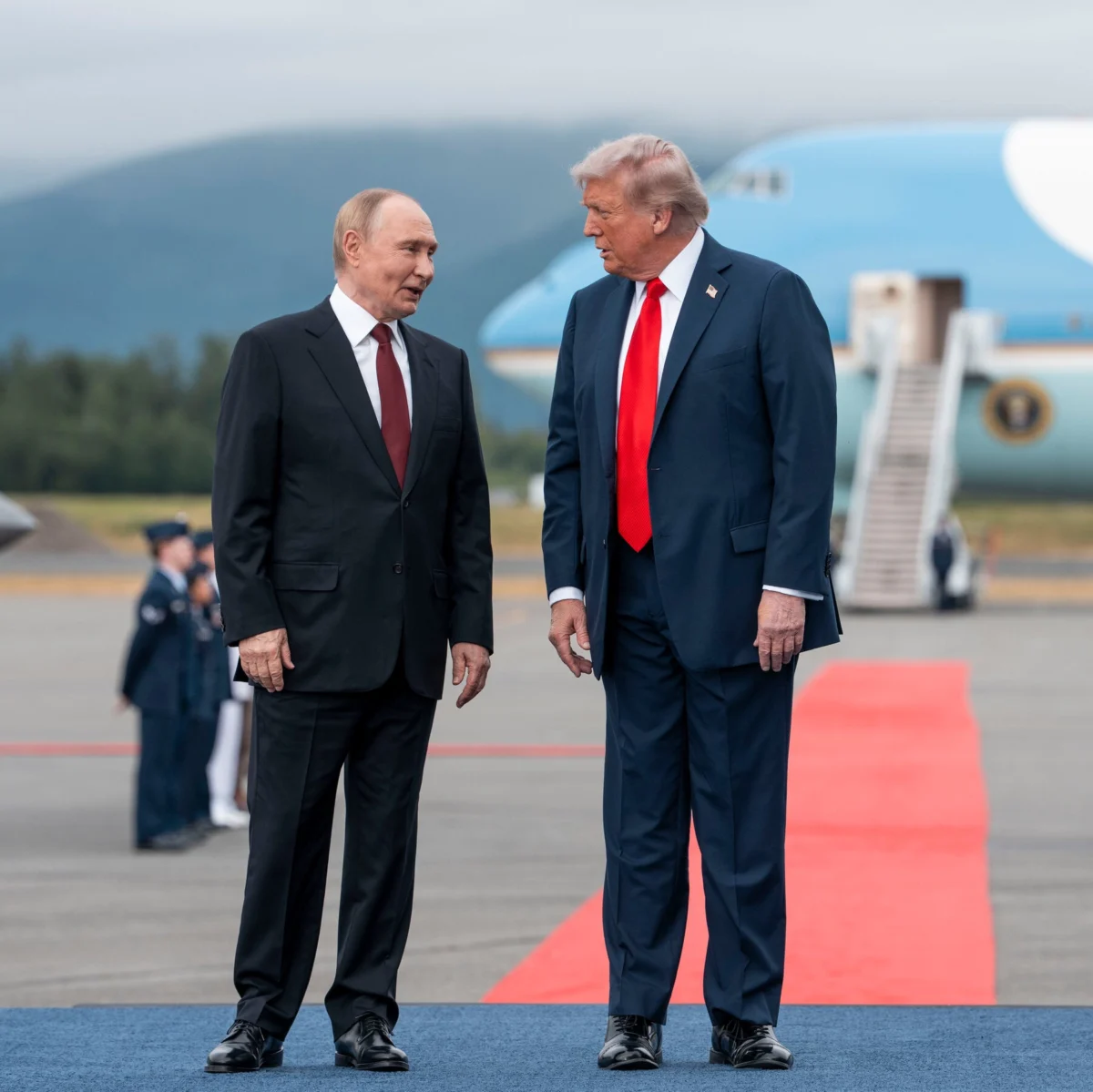
The Trump administration is waiving new sanctions against Russia, defying Congress amid concerns about rising energy costs and political fallout ahead of next month’s elections.
This shift follows reports that high energy prices could hurt Republican Party candidates, prompting the administration to offer economic relief to Moscow in exchange for reciprocal favor.
KEY FACTS
- Trump administration waives new Russia sanctions.
- Move ignores the will of Congress.
- Fears over high energy prices influencing upcoming elections cited.
- Republican Party concerns about electoral impact mentioned.
- Economic relief offered to Russia in hopes of mutual benefit.
THE STORY
What is the rationale behind easing Russia sanctions?
The decision appears tied to rising energy prices that analysts believe may weigh on voter sentiment. With elections approaching, the administration may be seeking to offset economic pain at home by offering concessions abroad. The move signals a calculated gamble to manage political risk through diplomatic trade-offs.
Russia, a major oil and gas exporter, has faced repeated rounds of Western sanctions in recent years. By temporarily reducing pressure, Washington aims to encourage cooperation or reciprocal gestures, though such strategies often face criticism for undermining long-term policy goals.
Who is affected by these changes?
U.S. businesses operating in sectors tied to Russia could see renewed opportunities. Meanwhile, congressional lawmakers critical of the administration express frustration over being bypassed. International allies monitoring the region are likely watching closely for signs of policy recalibration.
For voters, especially those concerned about inflation and energy costs, this rollback may offer short-term relief but raises questions about consistency in foreign policy enforcement. Domestic debates around sanctions efficacy are expected to intensify before polling day.
How did we get here?
Sanctions imposed during previous administrations targeted various Russian industries and officials. Over time, some argued these measures were too broad or ineffective. The current administration seems intent on adjusting course while maintaining leverage without escalating tensions unnecessarily.
In Congress, divisions persist between those favoring continued restrictions and others advocating flexibility. As negotiations continue behind closed doors, public statements remain limited, leaving room for speculation about internal deliberations driving this reversal.
WHAT WE KNOW — AND WHAT WE DON’T
Verified by the source:
- New Russia sanctions are being waived by the Trump administration.
- This action contradicts the expressed will of Congress.
- Energy prices are feared to impact upcoming elections negatively.
Still unconfirmed:
- Exact timeline or conditions for sanction reinstatement.
- Identity of specific officials supporting or opposing the move.
- Potential Russian response or concessions expected in return.
WHY IT MATTERS
This development reflects growing tension between executive authority and legislative oversight in shaping U.S. foreign policy. Voters concerned about energy costs might view the rollback favorably, even if it weakens traditional checks on presidential power.
WHAT TO WATCH
Upcoming electoral outcomes may influence future decisions regarding russia sanctions. Congressional responses, including possible legal challenges, are also likely.