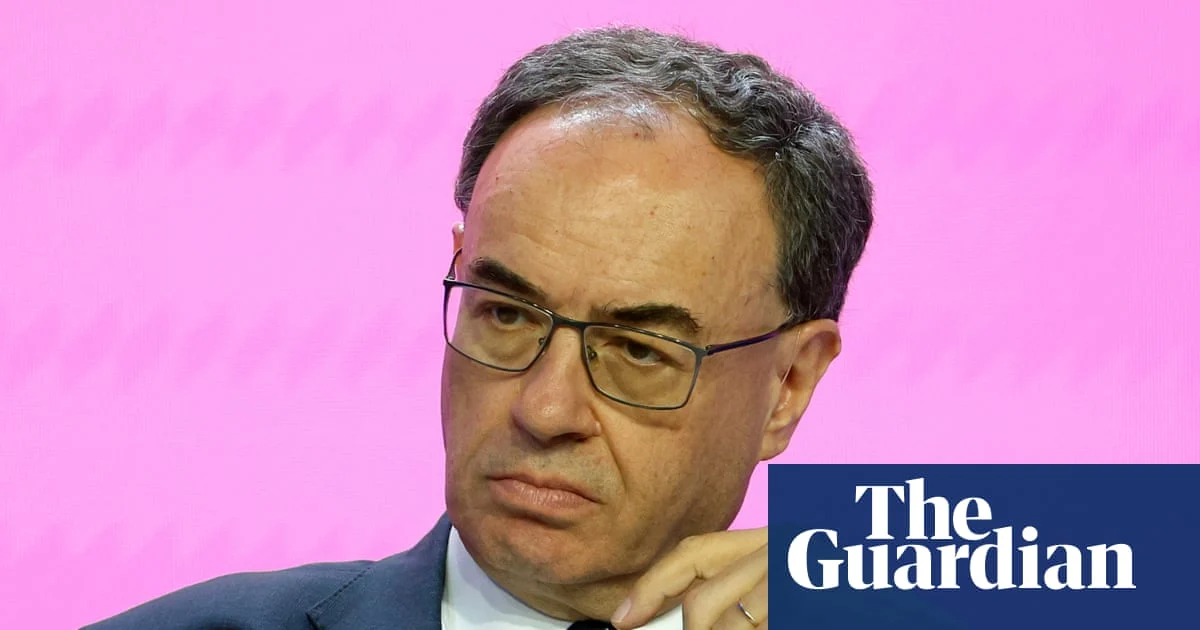
Bank of England governor Andrew Bailey was among international finance leaders who walked out of an International Monetary Fund meeting in Bangkok after Russia’s finance minister spoke, in a coordinated protest. The walkout occurred when the Russian finance minister, Anton Siluanov, addressed the group in Russian. Alongside Bailey, counterparts from France, Germany, and several Scandinavian and Baltic countries left the session.
Meta description: Bank of England governor Andrew Bailey joined European finance leaders in walking out of an IMF summit session in Bangkok to protest against Russia.
KEY FACTS
- Bank of England governor Andrew Bailey participated in the walkout at an IMF summit in Bangkok.
- The protest was held during a session where the Russian finance minister, Anton Siluanov, addressed the group in Russian.
- French and German finance counterparts also joined the walkout, along with officials from Scandinavian and Baltic countries.
- The protest was aimed at expressing opposition to Russia’s role in the ongoing IMF discussions.
- The event took place during a broader international finance meeting convened by the IMF.
THE STORY
Why did finance leaders walk out of the IMF session?
The walkout followed remarks by Russia’s finance minister, Anton Siluanov, during a session at the IMF summit in Bangkok. Bailey and several European counterparts left the room as a sign of protest against Russia’s participation in the multilateral forum. Their departure signaled diplomatic discomfort with Russia’s presence amid ongoing geopolitical tensions.
The action reflects broader divisions within international financial institutions as they grapple with how to engage countries under sanctions or viewed as pariah states. The IMF has not issued an immediate public statement on the protest, though such coordinated departures are rare at high-level gatherings.
Who is affected by this diplomatic gesture?
The protest impacts Russia’s standing in international financial diplomacy, potentially complicating its access to IMF programming and cooperation. For participating nations, it underscores growing pressure to signal alignment with Western positions on global forums. Markets and analysts may weigh the move as an indicator of hardening geopolitical sentiment affecting economic policy coordination.
Observers note that the walkout mirrors similar diplomatic boycotts in other international bodies, where states have used institutional platforms to register political disapproval. No immediate economic measures were announced following the incident, but it adds to the already strained atmosphere around multilateral engagement.
What happens next at the IMF summit?
IMF officials have not disclosed whether similar protests are expected during remaining sessions. The Russian delegation’s continued participation remains uncertain. Meanwhile, questions persist over whether the IMF will formally address member conduct or adjust protocols governing speaking rights.
International financial cooperation often relies on dialogue even amid political friction. How the IMF manages these tensions may shape future engagement norms, especially for countries facing widespread sanctions or diplomatic isolation.
WHAT WE KNOW — AND WHAT WE DON’T
Verified by the source:
- Bank of England governor Andrew Bailey attended the IMF summit in Bangkok.
- Finance ministers from France, Germany, Scandinavia, and the Baltic region joined the walkout.
- The protest occurred when Russian Finance Minister Anton Siluanov addressed the group in Russian.
- The walkout was a deliberate act of protest against Russia’s participation.
Still unconfirmed:
- The exact timing of the walkout within the summit schedule.
- Whether other countries or delegates supported or opposed the protest.
- If the IMF will issue a formal response or adjust proceedings.
- The broader geopolitical rationale behind the timing of the demonstration.
WHY IT MATTERS
The IMF serves as a key forum for global economic coordination. When finance leaders protest during its sessions, it signals deteriorating trust and rising geopolitical tension that could influence economic cooperation, lending decisions, and diplomatic engagement worldwide. Such actions may reshape how international financial institutions handle participation from contested regimes.
WHAT TO WATCH
Further statements from the IMF or participating nations could clarify whether this protest leads to formal policy changes. Observers will also watch if similar diplomatic demonstrations occur at upcoming international economic gatherings.