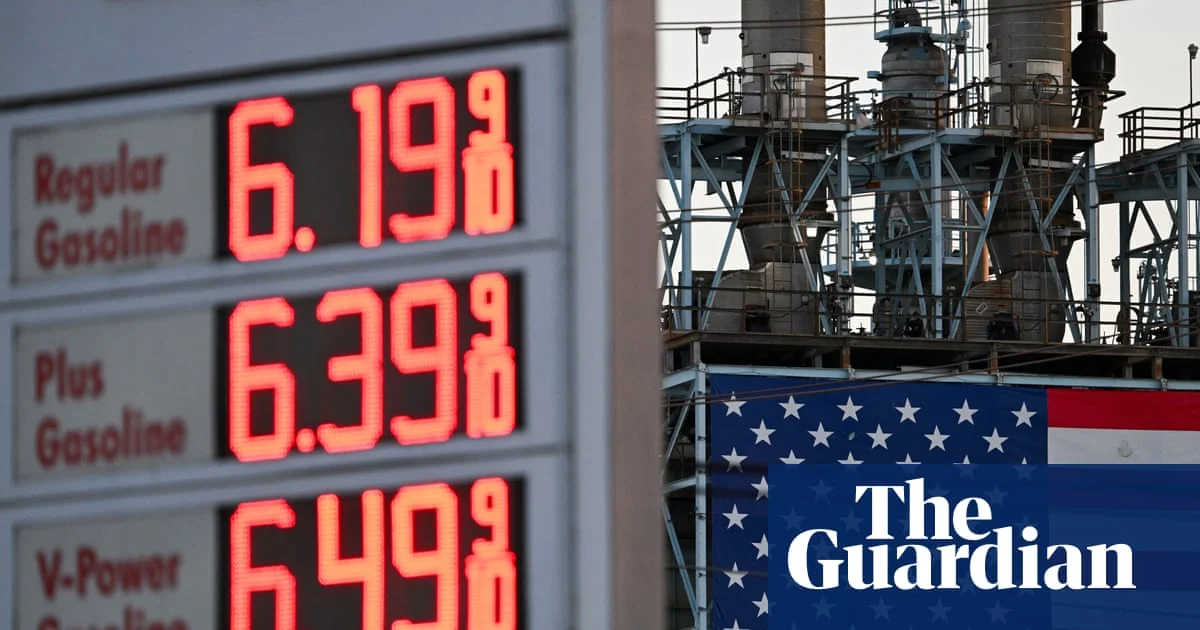
Donald Trump’s deal with Vladimir Putin to temporarily lift sanctions on U.S. imports of Russian diesel will have little meaningful effect on fuel prices at the pump or for businesses, according to energy and foreign policy analysts cited by Business | The Guardian. Analysts note that the fuel will take weeks to ship and that the quantity involved is too small to move markets, while the full scope of the deal is unlikely to be met due to ongoing damage to Russian refineries. The announcement has already stirred diplomatic friction, with Ukrainian President Volodymyr Zelenskyy saying the agreement came as news to him. Trump framed the arrangement as necessary to lower U.S. diesel prices, which he claims surged after his decision to escalate the war against Iran.
Key Facts
- Trump announced a deal with Putin to temporarily lift sanctions on Russian diesel imports into the United States.
- Energy analysts say the diesel will take weeks to ship, delaying any price effect.
- Analysts say the quantity of diesel is too small to meaningfully influence prices.
- The full deal is unlikely to be met because of damage to Russian refineries.
- Ukrainian President Zelenskyy said the announcement was “news to me.”
What Happens Next?
Russian diesel exports to the United States are expected to begin arriving in several weeks, assuming the temporary sanctions relief holds. Analysts caution that even when shipments do arrive, the volume will be modest compared with overall U.S. diesel consumption, limiting any downward pressure on prices. The timeline also leaves little room for rapid market response, since diesel markets typically react within days to supply changes. Refinery outages in Russia further complicate the outlook, as they reduce the amount of product available for export regardless of sanctions adjustments.
Who Is Affected?
U.S. motorists and commercial fleets are the most direct potential beneficiaries of lower diesel prices, though analysts expect the impact to be negligible. Overseas buyers may also see minor shifts in supply flows, but global diesel benchmarks are unlikely to move significantly given the limited scale of the deal. Meanwhile, European and Ukrainian officials have expressed concern about legitimizing Russian energy revenues amid the broader conflict. The diplomatic fallout, including Zelenskyy’s public surprise at the announcement, adds another layer of uncertainty for policymakers tracking both energy and geopolitical implications.
How Did We Get Here?
Trump has repeatedly linked high U.S. diesel prices to his military actions against Iran, blaming them for rising energy costs. In response, he pursued a bilateral agreement with Putin to ease sanctions on Russian diesel imports, presenting it as a direct remedy for American consumers. However, the deal’s partial nature and logistical hurdles, combined with pre-existing refinery damage in Russia, temper expectations. Analysts stress that energy markets are global and interconnected, meaning a limited temporary measure is unlikely to override broader structural factors driving prices.
What We Know — and What We Don’t
Verified by the source:
- Trump announced a temporary sanctions relief deal with Putin covering Russian diesel.
- Analysts predict minimal price impact due to shipping delays and low volume.
- Zelenskyy said the deal was “news to me.”
- Analysts cite Russian refinery damage as a constraint on full delivery.
Still unconfirmed:
- The exact volume and duration of the sanctions relief.
- The precise timing and route of diesel shipments.
- Whether Trump’s Iran policy directly caused the recent diesel price increases.
Why It Matters
Diesel is a cornerstone of transportation and industry, so even modest supply changes can draw attention from markets and voters. A deal framed as a fix for soaring prices carries political weight, especially when paired with controversial foreign policy moves. However, if analysts are correct that the impact will be negligible, the episode may underscore the limits of unilateral deals in addressing complex global energy dynamics, with implications for both economic stability and diplomatic credibility.
What To Watch
Observers will watch whether Russian diesel shipments materialize in the coming weeks and whether U.S. diesel prices adjust accordingly. Any further escalation from Ukraine or European partners could also test the durability of the arrangement.