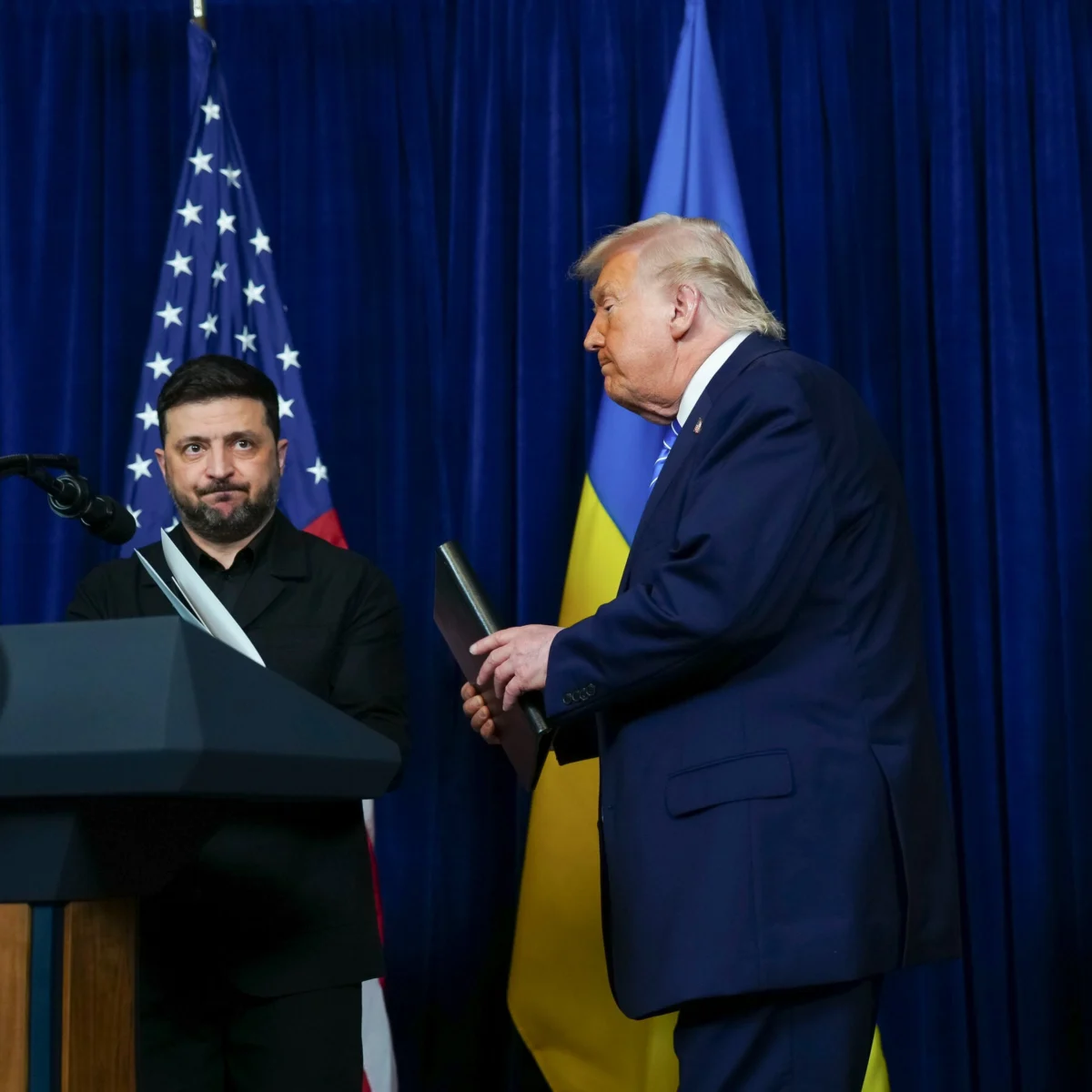
Lede: President Donald Trump’s push for diplomatic and economic deals with Russia reflects growing frustration with Ukraine, according to reporting from NYT > World News. These efforts suggest a shift toward normalizing relations with Moscow, even if it risks further isolating Kyiv.
The administration’s stance has drawn scrutiny from allies and analysts who question whether this realignment could undermine long-standing U.S. commitments in Eastern Europe.
KEY FACTS
- Trump seeks deals with Russia.
- Goal is to normalize U.S.-Russia relations.
- Strategy may undercut Ukraine.
- Action driven by frustration with Ukraine.
What drives Trump’s Russia focus?
President Trump’s intensified outreach to Russia signals a broader strategy aimed at resetting bilateral ties. This includes potential negotiations on trade, security, and regional influence. Analysts note that such moves align with his long-held skepticism toward foreign entanglements and preference for direct diplomacy.
The approach has sparked debate over whether improved U.S.-Russia coordination might come at the cost of diminished backing for Ukraine, particularly as Kyiv continues to navigate ongoing conflict and reconstruction needs.
How does this affect Ukraine?
Ukraine finds itself increasingly sidelined as Trump’s administration redirects attention and resources toward Moscow. The shift could alter the balance of power in the region, potentially weakening Western unity and emboldening Russian interests.
For Ukrainian leaders, the changing dynamics present new challenges in securing military aid, economic support, and international recognition. Meanwhile, domestic critics argue that deprioritizing Ukraine jeopardizes strategic stability across Europe.
What happens next?
Observers expect further clarity on how the Trump administration will navigate these competing priorities. Upcoming diplomatic engagements may reveal whether Russia is willing to reciprocate or exploit the opening for greater leverage.
Stakeholders across Capitol Hill and Europe are closely watching for signs of policy shifts that could redefine transatlantic partnerships and reshape global alliances.
What We Know — and What We Don’t
Verified by the source:
- Trump supports deals with Russia.
- He wants to improve U.S.-Russia relations.
- Ukraine may be disadvantaged by this stance.
Still unconfirmed:
- Specific nature of proposed Russia-U.S. deals.
- Extent of internal White House debate.
- Timelines for any formal policy changes.
This development matters because U.S. foreign policy carries significant weight global; decisions affecting Russia and Ukraine ripple through international markets, NATO cohesion, and regional security frameworks. A tilt toward Moscow without clear safeguards risks destabilizing efforts to uphold democratic norms abroad.
What to watch: Whether upcoming summits or legislative actions signal concrete steps toward Trump’s vision—and if so, how allies respond diplomatically or economically.